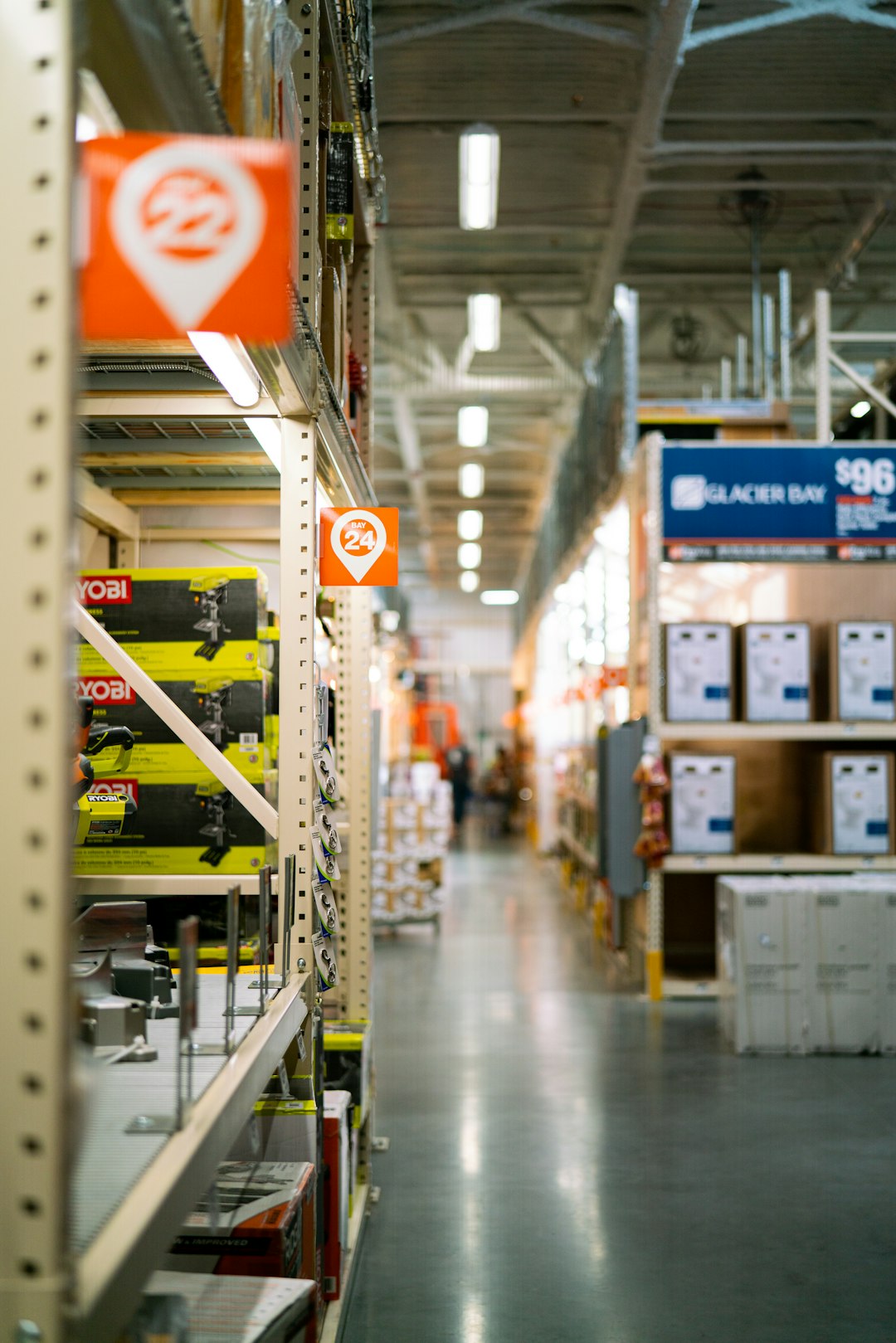
Inventory distortion—whether in the form of stockouts or overstocking—can quietly erode profits, strain customer relationships, and disrupt operations. Modern businesses operate across multiple sales channels, warehouses, and suppliers, making manual inventory tracking both risky and inefficient. To maintain optimal stock levels, organizations increasingly rely on intelligent inventory management software that leverages automation, forecasting algorithms, and real-time data synchronization.
TLDR: Inventory management software helps businesses balance supply and demand by automating stock tracking, forecasting, and replenishment. The right tool can significantly reduce stockouts, prevent excess inventory, and improve cash flow. This article explores five leading inventory management platforms and compares their features to help businesses choose the best solution. A comparison chart and FAQ section are included for quick reference.
Why Inventory Management Software Matters
Inventory mismanagement typically stems from limited visibility, inaccurate demand forecasting, or disconnected systems. When businesses lack real-time insight into sales trends and stock levels, they risk running out of popular products—or tying up capital in slow-moving goods.
Modern software solutions help prevent these issues through:
- Real-time inventory tracking across locations and channels
- Automated reorder points and low-stock alerts
- Demand forecasting powered by historical sales data
- Supplier management and purchase order automation
- Analytics dashboards for smarter decision-making

Below are five inventory management software tools known for helping businesses strike the right inventory balance.
1. NetSuite Inventory Management
Best for: Large businesses and enterprises needing advanced forecasting and ERP integration.
NetSuite is a powerful cloud-based ERP platform with robust inventory management capabilities. It is particularly suited for multi-location businesses and companies operating internationally.
Key Features:
- Real-time tracking across multiple warehouses
- Advanced demand planning tools
- Automated replenishment recommendations
- Lot and serial number tracking
- Integrated financial reporting
NetSuite’s predictive analytics leverage historical sales data, seasonal trends, and market fluctuations to reduce both stockouts and excess inventory. Because it integrates seamlessly with accounting and supply chain modules, it provides a holistic view of business operations.
Strength: Enterprise-level visibility and scalability.
Consideration: Higher cost and implementation complexity.
2. TradeGecko (QuickBooks Commerce)
Best for: Growing wholesale and eCommerce businesses.
QuickBooks Commerce, formerly known as TradeGecko, offers streamlined inventory control tailored to wholesalers and multichannel sellers. It integrates easily with platforms such as Shopify, Amazon, and QuickBooks.
Key Features:
- Automated stock level updates across sales channels
- Low-stock alerts
- Purchase order management
- Demand forecasting reports
- B2B eCommerce portal capabilities
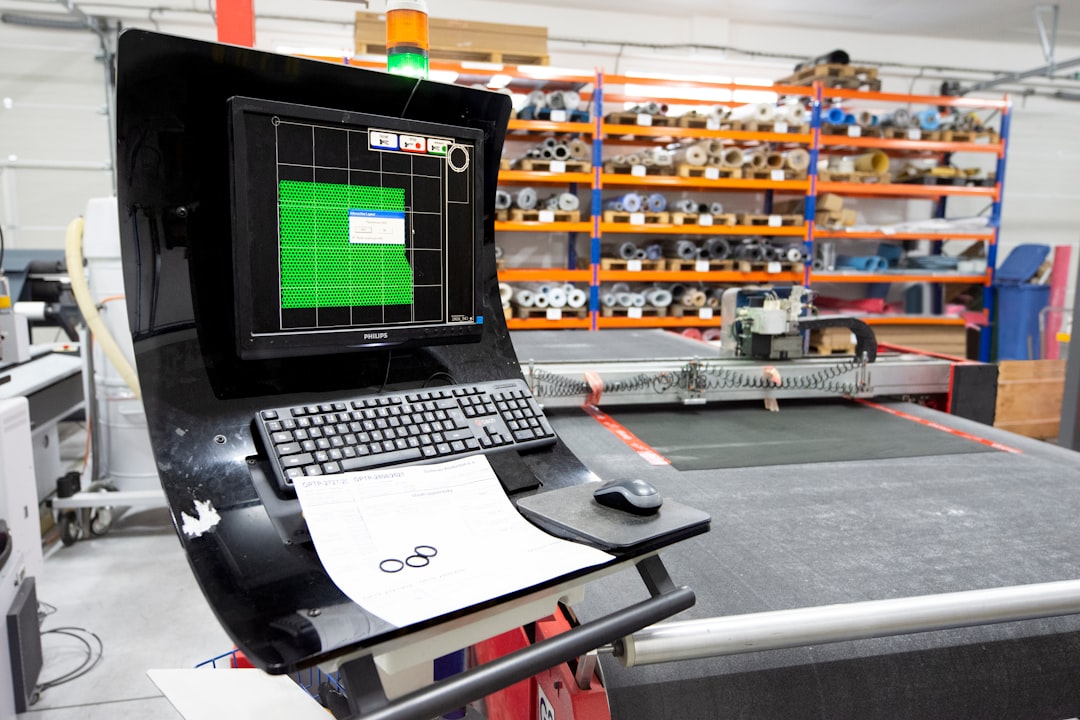
The platform shines in preventing overselling by synchronizing inventory counts in near real time. Businesses that sell across multiple online marketplaces benefit especially from its centralized tracking system.
Strength: Strong multichannel integrations.
Consideration: May lack some advanced enterprise forecasting capabilities.
3. Fishbowl Inventory
Best for: Manufacturers and warehouse-heavy businesses.
Fishbowl Inventory is particularly well-suited for companies that need manufacturing resource planning (MRP) alongside inventory management. It integrates tightly with QuickBooks accounting software.
Key Features:
- Material requirements planning (MRP)
- Barcode scanning and asset tracking
- Automatic reorder point calculations
- Batch and expiration date tracking
- Inventory auditing tools
Fishbowl’s MRP tools help manufacturers anticipate material shortages before production is impacted. Its reorder automation ensures that raw materials are replenished based on production schedules and demand forecasts.
Strength: Excellent manufacturing focus.
Consideration: Interface may feel dated compared to newer cloud-native systems.
4. Zoho Inventory
Best for: Small to mid-sized businesses seeking affordability and ease of use.
Zoho Inventory is a cloud-based solution offering strong automation at a relatively accessible price point. It integrates seamlessly with the broader Zoho ecosystem as well as platforms like Shopify and Amazon.
Key Features:
- Automated reorder triggers
- Real-time shipping integrations
- Serial and batch tracking
- Multi-warehouse management
- Reporting and inventory aging analysis
Zoho’s automation minimizes human error by generating purchase orders when stock drops below defined thresholds. The inventory aging reports also help companies identify slow-moving items before they turn into costly dead stock.
Strength: Affordable and intuitive.
Consideration: Limited advanced forecasting compared to enterprise tools.
5. Cin7
Best for: Omnichannel retailers and product-based businesses.
Cin7 offers end-to-end inventory management with strong point-of-sale and B2B capabilities. It connects warehouses, retail stores, online platforms, and third-party logistics providers into one system.
Key Features:
- Channel synchronization
- Built-in POS system
- Automated workflows
- Demand forecasting and reporting
- EDI integration for suppliers
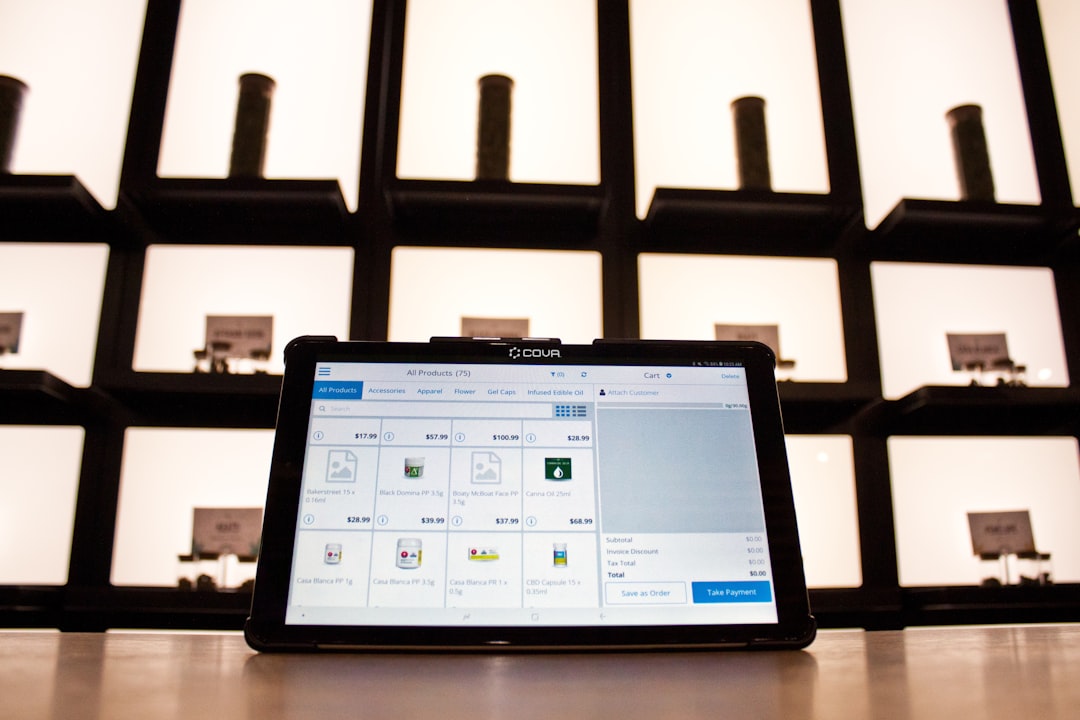
Cin7’s automation reduces the risk of overselling while its forecasting tools anticipate spikes in demand during promotional campaigns or seasonal shifts.
Strength: Strong multichannel retail support.
Consideration: Pricing may scale quickly as features are added.
Comparison Chart
| Software | Best For | Forecasting Tools | Multi-Channel Support | Manufacturing Features | Scalability |
|---|---|---|---|---|---|
| NetSuite | Enterprise | Advanced predictive analytics | Yes | Yes | Very High |
| QuickBooks Commerce | Wholesale eCommerce | Moderate forecasting | Strong | Limited | High |
| Fishbowl | Manufacturing | MRP-based | Moderate | Strong | High |
| Zoho Inventory | Small to Mid-sized | Basic forecasting | Good | Limited | Moderate |
| Cin7 | Omnichannel Retail | Strong forecasting | Excellent | Moderate | High |
How to Choose the Right Tool
Selecting the right inventory management system depends on several factors:
- Business size and complexity
- Number of sales channels
- Manufacturing requirements
- Need for advanced forecasting
- Budget constraints
For small businesses, ease of use and affordability may take priority. For enterprises, scalability, integrations, and predictive analytics become critical. Regardless of company size, the ultimate goal remains the same: optimize stock levels while maintaining strong service levels.
Frequently Asked Questions (FAQ)
1. How does inventory management software prevent stockouts?
It uses real-time data tracking and automated reorder points to alert businesses when stock levels fall below defined thresholds. Advanced systems also use demand forecasting to anticipate spikes in demand before shortages occur.
2. Can inventory software reduce overstocking?
Yes. By analyzing sales velocity, seasonality, and inventory turnover rates, software tools help businesses avoid over-ordering. Inventory aging reports also highlight slow-moving stock.
3. Is cloud-based inventory management secure?
Most reputable cloud providers use encryption, secure data centers, and regular updates to protect user data. Businesses should verify security certifications before choosing a platform.
4. What is the difference between ERP and standalone inventory software?
ERP systems integrate inventory with accounting, HR, and supply chain modules. Standalone inventory software focuses primarily on stock tracking and replenishment but may integrate with accounting tools.
5. How long does implementation typically take?
Implementation time varies by complexity. Small businesses may deploy cloud-based tools within days, while enterprise-level ERP systems can require several months for full integration.
6. Do small businesses really need inventory management software?
Even small businesses benefit from automated tracking, especially when selling across multiple platforms. The cost of stockouts or excess inventory often outweighs the subscription fee.
Inventory management software has become an essential component of modern commerce. By combining automation, forecasting intelligence, and real-time visibility, the right tool transforms inventory from a liability into a strategic asset. Businesses that invest in the appropriate platform position themselves to minimize risk, improve cash flow, and deliver consistent customer satisfaction.