Running a restaurant is exciting. It is also chaotic. Orders fly in. Staff rush around. Inventory disappears faster than you expect. You need more than good food to stay sane. You need smart software that keeps everything under control.
TLDR: Restaurant management software helps you handle sales, staff, and stock in one place. The best platforms combine POS, scheduling, and inventory tools. This saves time, cuts waste, and improves profits. Below are seven great options and a simple comparison chart to help you choose.
Modern restaurant software does three big things:
- POS (Point of Sale) – Takes orders and payments.
- Staff Management – Handles schedules, time clocks, and payroll.
- Inventory Control – Tracks ingredients and reduces waste.
Let’s explore seven popular platforms that do all this and more.
1. Toast
Toast is built specifically for restaurants. That is its superpower.
It offers:
- Cloud-based POS designed for restaurants
- Menu management with easy updates
- Inventory tracking with real-time reports
- Employee scheduling and payroll integrations
Toast works great for busy restaurants. Especially full-service spots and fast-casual brands.
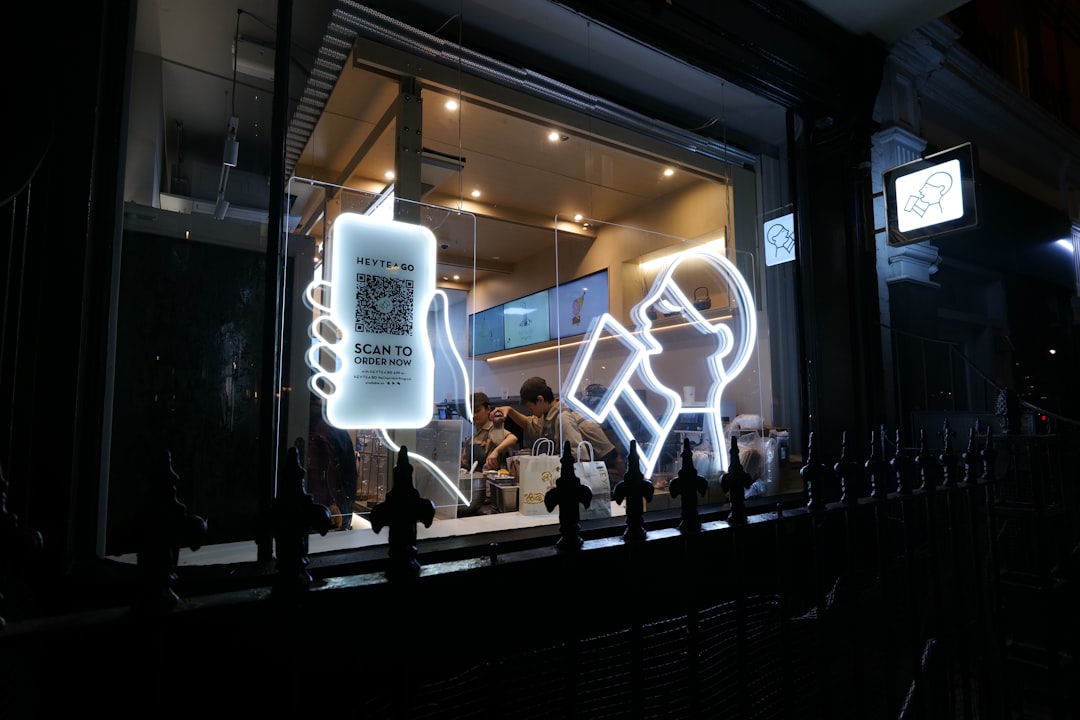
Its handheld devices let servers take orders at the table. Orders go straight to the kitchen. Fewer mistakes. Faster service.
Best for: Growing restaurants that want an all-in-one system tailored for food service.
2. Square for Restaurants
Square is clean. Simple. Easy to use.
It is perfect for small restaurants, cafes, and food trucks.
- Free basic POS option
- Simple inventory tracking
- Team management tools
- Built-in payment processing
Square shines with its user-friendly design. You do not need a tech degree to figure it out.
You can track sales in real time. You can see which menu items sell best. You can adjust stock quickly.
Best for: Small restaurants and startups on a budget.
3. Lightspeed Restaurant
Lightspeed is powerful. It gives deep insights.
This platform is ideal for restaurants that love data.
- Advanced inventory management
- Supplier tracking
- Detailed sales analytics
- Multi-location support
You can track ingredient-level inventory. Not just menu items. That means better cost control.
Lightspeed also helps manage multiple locations from one dashboard. Everything is synced.
Best for: Multi-location restaurants and data-driven owners.
4. TouchBistro
TouchBistro was built with full-service restaurants in mind.
It runs on iPads. That keeps it mobile and flexible.
- Tableside ordering
- Staff scheduling tools
- Inventory management
- Customer relationship features
Its floor plan tools are impressive. You can see which tables are occupied. You can track server performance.
This system helps balance sections. It reduces chaos during peak hours.
Best for: Full-service restaurants that want better floor and staff management.
5. Clover
Clover is flexible. It offers customizable hardware and software options.
You can build the system you want.
- POS with app marketplace
- Employee time tracking
- Inventory monitoring
- Loyalty program integrations
Clover’s app market allows you to add extra tools. Need advanced payroll? Add it. Want gift cards? Easy.
This flexibility makes it attractive for many restaurant types.
Best for: Restaurants that want customizable features.
6. Upserve (by Lightspeed)
Upserve focuses strongly on analytics and staff performance.
It helps you understand not just what is selling. But who is selling it.
- Server performance tracking
- Smart inventory alerts
- POS and payment integration
- Guest experience tools
You can see which employees upsell the most. You can reward top performers.
This improves morale. And profits.
Best for: Restaurants focused on staff performance and guest insights.
7. Revel Systems
Revel is robust. It works well for franchises and enterprise restaurants.
- Cloud-based POS
- Advanced inventory management
- Workforce management tools
- Multi-location reporting
Its inventory system tracks stock in real time. Across multiple locations. This reduces food waste and theft.
Revel also handles complex menus with modifiers and combos.
Best for: Large operations and franchise businesses.
Comparison Chart
| Platform | Best For | Inventory Depth | Staff Tools | Multi-Location Support |
|---|---|---|---|---|
| Toast | Growing restaurants | Strong | Scheduling + Payroll | Yes |
| Square | Small businesses | Basic to Moderate | Team Management | Limited |
| Lightspeed | Data-driven operators | Advanced | Integrated | Yes |
| TouchBistro | Full-service dining | Moderate | Scheduling | Yes |
| Clover | Custom setups | Moderate | Time Tracking | Yes |
| Upserve | Performance tracking | Strong | Advanced Insights | Yes |
| Revel | Enterprises | Advanced | Workforce Tools | Excellent |
What to Look For in Restaurant Management Software
Choosing software is not just about features. It is about fit.
Here are key things to consider:
- Ease of Use – Your staff should learn it quickly.
- Scalability – Can it grow with you?
- Inventory Accuracy – Does it track ingredients or just items?
- Integration – Does it connect with payroll and accounting tools?
- Customer Support – Is help available when you need it?
Also consider your restaurant type. A food truck has different needs than a fine-dining restaurant.
Why All-in-One Matters
Using separate systems causes problems.
Inventory numbers do not match sales. Staff hours get miscalculated. Reports take forever.
An all-in-one system connects everything.
When a dish sells, inventory updates automatically. When staff clock in, hours sync with payroll. When sales spike, you see it instantly.
This saves time. It reduces stress. It increases profits.
Final Thoughts
Restaurants move fast. Your software should keep up.
The right platform will:
- Speed up service
- Reduce waste
- Improve staff performance
- Give you clear reports
If you run a small cafe, Square might be perfect. If you manage multiple locations, Lightspeed or Revel could be better. If you want a restaurant-focused system, Toast is a strong choice.
Keep it simple. Focus on your biggest pain points. Test demos when possible.
Because at the end of the day, software should make restaurant life easier. Not harder.
Good food brings customers in. Smart systems keep your business thriving.