
Creating a meaningful, memorable logo is an essential step for any farmers’ market or organic brand seeking to establish a trustworthy identity. In an increasingly competitive and conscientious marketplace, the right logo transcends aesthetics; it communicates values, roots, and authenticity. Whether you’re a local co-op, a startup organic producer, or a well-established farmers’ market, a thoughtful logo design can help you cultivate loyalty and stand out in a growing field.
TLDR
Logos for farmers’ markets and organic brands should be intentional, meaningful, and visually representative of natural, sustainable practices. The best designs often incorporate earthy colors, natural imagery, and layouts that evoke trust. This list highlights nine logo concepts that resonate with today’s environmentally conscious consumer. Whether you’re launching a new brand or refining an existing one, inspiration can be drawn from nature, geometry, and tradition alike.
1. The Root Emblem
One of the most straightforward concepts is a logo that literally shows the roots of a plant. Roots symbolize connection, stability, and authenticity, which aligns closely with the values of organic production and sustainable agriculture. A design might include a tree with exposed roots, or a vegetable such as a beet or a carrot with detailed root lines.
This concept conveys a commitment to soil health, tradition, and the unseen foundations that support healthy produce. Keep colors earthy—deep browns, greens, and rust reds—to enhance the grounded feel.

2. Minimalist Herb Silhouettes
For brands that want a more modern, upscale organic image, minimalist silhouettes of herbs like basil, rosemary, or parsley can be quite effective. These designs tend to use clean lines, muted tones, and negative space for a contemporary, accessible look. Herbs convey freshness, culinary quality, and botanical authenticity.
Such logos are perfect for artisan producers or stalls selling handmade, small-batch goods. Combine gray-greens with soft ivory or tan to add a timeless elegance.
3. Market Cart Iconography
A logo that features a traditional market cart—either stylized or realistically drawn—immediately evokes the lively, personal spirit of a farmers’ market. This design works well for community-focused branding, as it combines nostalgia with friendliness.
Consider including elements such as a striped awning, produce-filled baskets, or even hand-drawn signage to emphasize handcrafted, people-first branding. The cart is a mobile symbol, suggesting movement and trade—perfect for pop-up markets and farm collectives.
4. Circular Logos for Completeness
Circles reflect concepts of wholeness, sustainability, and unity with nature. A circular logo can encompass many ideas, from seasonal cycles to the organic certification “stamp.” They also work well as stickers, signage, and stamps—adding versatility for packaging and merchandise.
Designs could include a circular wreath of leaves, a sun and moon pattern representing full-day harvest cycles, or a plow-to-plate motif contained within a ring. Pairing this form with rich texture and organic lines adds authenticity.
5. Vintage Typography with Seed Pack Aesthetic
Drawing from the historic look of vintage seed packets can evoke a sense of reliability, heritage, and care. Typography in serif or script fonts can resurrect this timeless style, often accompanied by illustrations of produce set within ornate borders or frames.
This is an ideal aesthetic for long-standing farming families or markets looking to connect their history with new audiences. Consider using slightly weathered textures and offset printing colors for added character.
6. Hand-Drawn Vegetable Illustrations
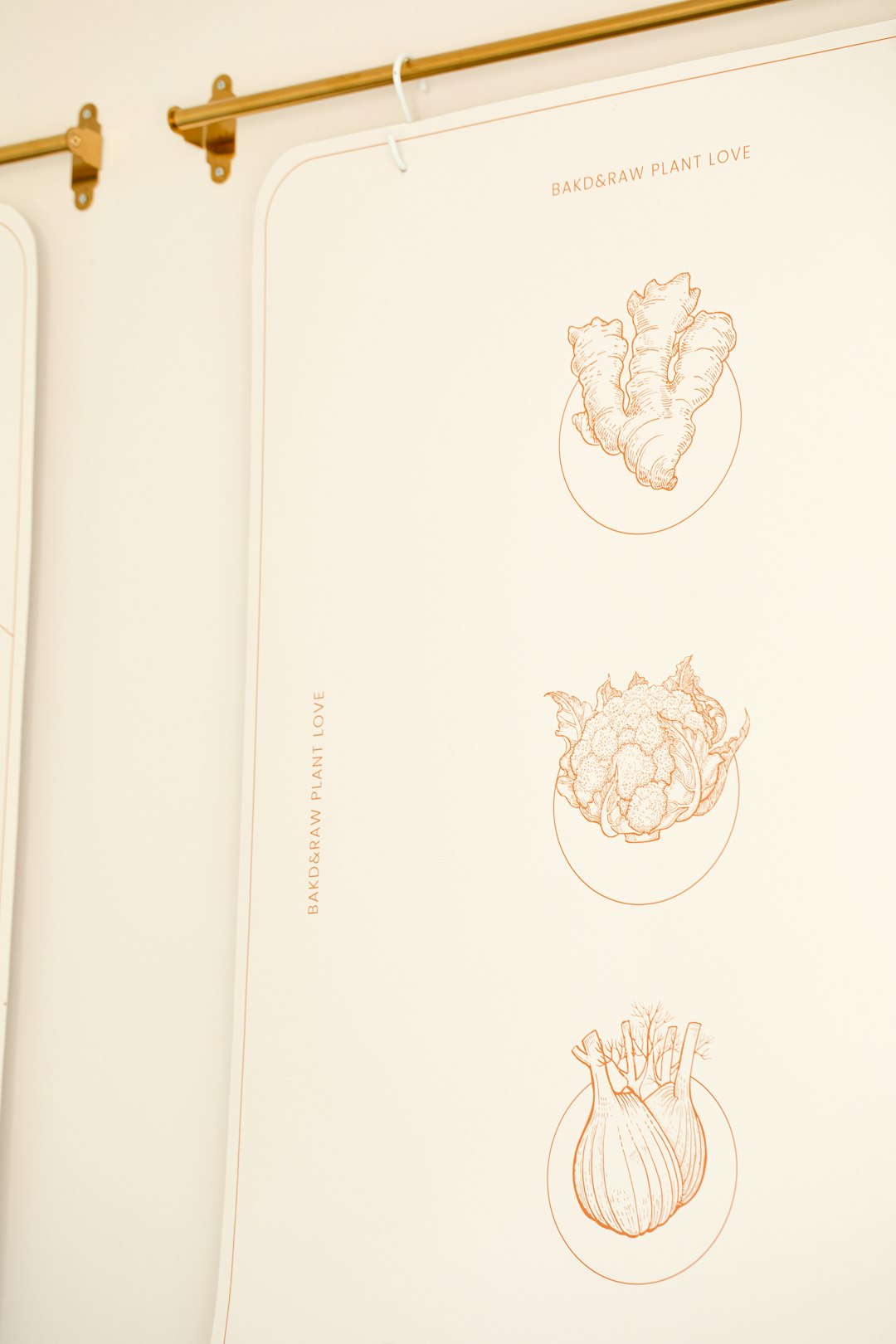
Nothing says “honest, local food” like hand-rendered images of fresh vegetables. These illustrations can be both playful and detailed, depending on the tone your brand wants to strike. Consider a mixed basket of farm favorites—tomatoes, kale, garlic, and squash—sketched or inked in a raw, human style.
This kind of logo humanizes your brand and differentiates it from corporate or industrial agriculture. Use these logos on chalkboard menus, tote bags, and social media banners to enhance the handmade aspect of your outreach.
7. Geometric Nature Marks
Blending nature-based imagery with geometry can produce a logo that feels both modern and organic. Think of a stylized leaf inside a hexagon, sprouting shoots arranged in a triangle, or a sunburst composed of radial lines and dots.
This design approach is perfect for brands that want to appear clean, forward-thinking, and technically informed—perhaps for hydroponic growers, permaculture experts, or regenerative soil specialists.
Simple yet symbolic, these logos reflect the tension and harmony between nature and innovation.
8. Animal Partnerships
Animals such as bees, chickens, cows, and sheep are not only farm residents—they’re symbols of harmony and agricultural balance. Incorporating an animal into your logo lends a rustic charm and adds personality and warmth to your brand.
Pasture-raised certifications and humane farming methods are often connected visually with animals. A stylized bee hovering around herbs, a chicken perched beside a row of veggies, or even a cow drawn with gentle curves can signal care and symbiosis in agriculture.

9. Sunrise Over the Fields
Perhaps the most poetic and universally appreciated farm image is the sunrise cresting over gentle hills or crop-lined fields. This motif communicates hope, renewal, sustainment, and optimism. Whether done in a painterly manner or a flat vector style, it captures the essence of dawn-to-dusk farming life.
Use flowing strokes or lines that mimic furrowed fields to guide the eye. The arc of the sun also lends itself well to badge-shaped logos or banners overhead. Consider working with sun-warmed yellows, terracottas, and leaf greens to tie everything together in a natural palette.
Final Considerations
When designing a logo for a farmers’ market or organic brand, always ask yourself three questions:
- Does this reflect my core values—such as sustainability, locality, and authenticity?
- Is it recognizable and scalable across print and digital applications?
- Will it resonate with the type of customer I want to attract?
It’s also wise to remember that effective logos are not overloaded. Simplicity, clean lines, and a smart use of symbolism often outperform more detailed or literal designs. Invest time in researching historic branding as well as modern design principles to ensure your look is both classic and contemporary.
Conclusion
Your logo is your handshake, your smile, your first impression—it’s more than decoration. For farmers’ markets and organic brands, it must translate ethical commitment into visual form. Whether you go with minimalist herbs or heritage illustrations, the most impactful logos are those that tell a story of the land, the people, and the future of food.
Draw inspiration from the ideas above, mix and match elements, and work with a designer who understands your mission. A thoughtful logo will sow the seeds of brand loyalty, season after season.