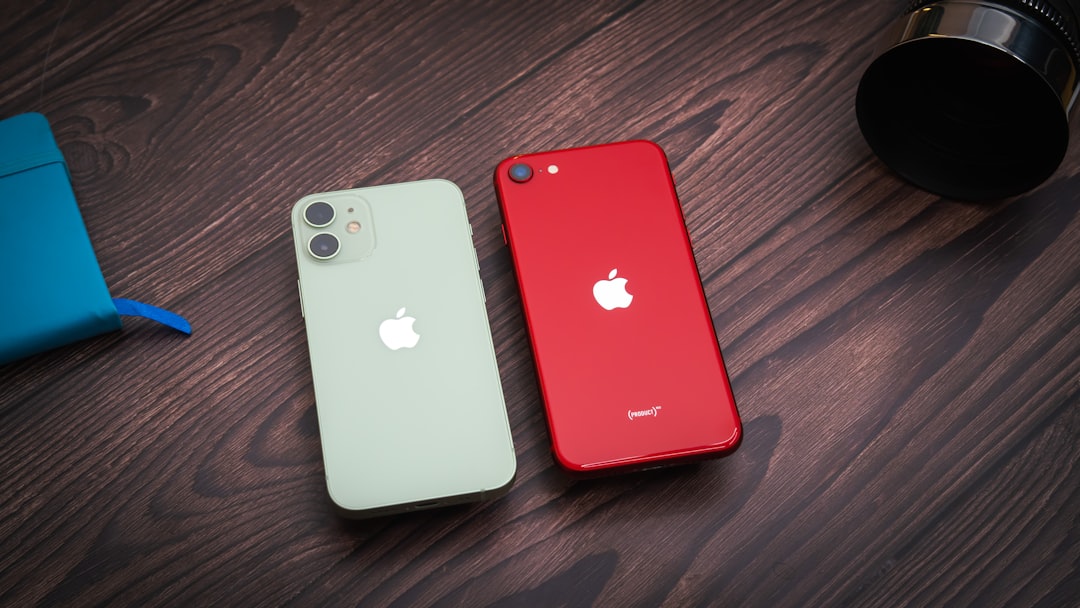
Apple has always been known for its sleek, minimalist hardware and polished ecosystem, but for some users, there’s one question that matters more than any other: What’s the smallest iPhone I can buy? In 2026, the demand for compact phones continues to persist, especially among users who prefer one-handed operation or want a more portable device without sacrificing performance. Though trends in smartphones lean toward larger displays, Apple has continued to offer options for fans of pocket-friendly tech.
TL;DR: What’s the smallest iPhone in 2026?
The smallest iPhone you can officially buy new from Apple in 2026 is the iPhone SE (4th generation). It features a compact 5.4-inch display size thanks to thinner bezels and occupies less physical space than larger flagship models. While Apple no longer sells the tiny iPhone 13 mini, used or refurbished versions may still be found through third-party vendors. For anyone seeking minimal size and modern features, the newest iPhone SE remains the top pick.
Understanding Apple’s Shift Toward Larger iPhones
Looking back over the years, Apple has gradually increased the screen sizes of its models. This shift was largely driven by consumer preferences for streaming, mobile gaming, and multitasking. The introduction of the iPhone 6 Plus in 2014 marked a new era where large screens became the norm.
Even the base models like the iPhone 14 and iPhone 15 now come with 6.1-inch displays, reflecting a broader industry trend. Despite this shift, Apple remained committed—at least for a while—to offering smaller iPhones in the form of the iPhone SE and Mini series.
What Happened to the iPhone Mini?
Launched with much fanfare in 2020, the iPhone 12 mini was a marvel of compact engineering. Weighing only 135 grams and sporting a 5.4-inch OLED display, it packed flagship-level performance into a tiny frame. Apple followed it up with the iPhone 13 mini, but that model became the last of the Mini line.
By 2024, dwindling demand led Apple to discontinue the Mini series. Customers largely preferred bigger screens, making it economically unsustainable to continue manufacturing compact high-end devices with low sales volume. As of 2026, Apple no longer manufactures or sells the iPhone Mini models directly.
The iPhone SE (4th Generation): Apple’s Smallest 2026 Offering
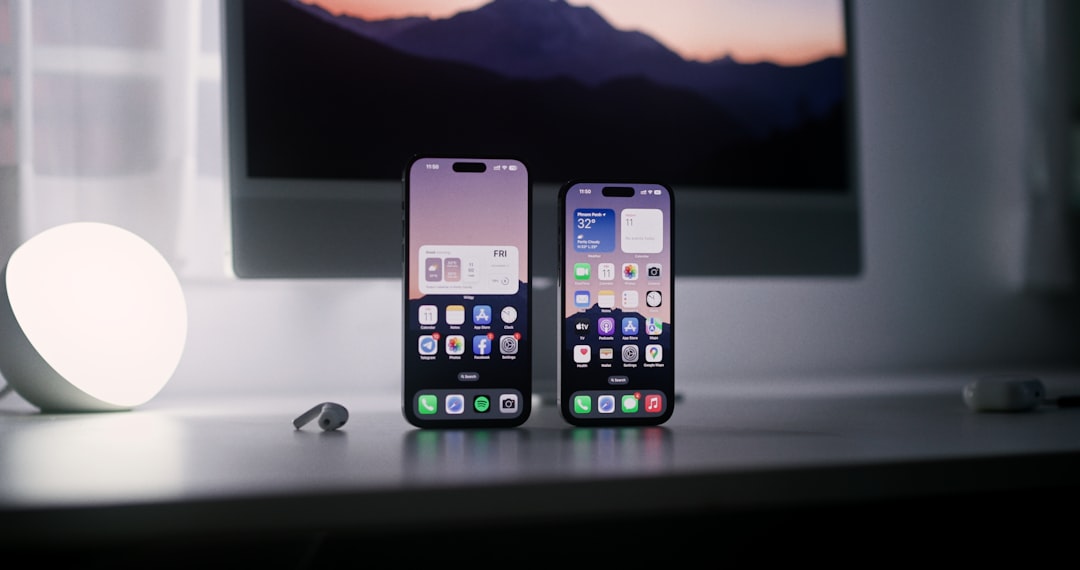
Apple’s solution for users who still want a small iPhone comes in the form of the iPhone SE—the company’s budget-friendly line. In 2026, the iPhone SE (4th generation) is the latest model, bringing a major redesign that aligns it more closely with modern aesthetics and performance expectations.
Key specs of the iPhone SE (4th Gen):
- Display: 5.4-inch OLED edge-to-edge screen
- Processor: A16 Bionic chip
- Camera: 12MP rear camera, upgraded image processing
- Design: Flat-edge chassis with Face ID support
- Battery: Moderate capacity with 15W MagSafe charging
Thanks to its compact design and lightweight frame, the new SE is perfect for those longing for the minimalist iPhone feeling without buying an older model. Most notably, Apple finally ditched the outdated home button in favor of Face ID and a larger screen area, letting users enjoy a modern interface in a small package.
Small iPhones from the Past You Can Still Buy
While Apple no longer offers certain small models through its official channels, some older compact iPhones remain accessible via refurbished or third-party sellers. The most notable options include:
- iPhone 13 mini (2021): A 5.4-inch OLED display, A15 Bionic chip, still speedy in 2026 for everyday use
- iPhone SE (3rd Gen) (2022): 4.7-inch LCD Retina display, Touch ID, A15 chip, familiar design
For those who prize ultra-compactness, the iPhone SE (3rd Gen) is still technically the smallest in terms of width, though its larger bezels give it less usable screen space compared to newer models. The iPhone 13 mini, on the other hand, remains the pinnacle of small iPhone power, despite being several years old.
Why People Still Want a Small iPhone
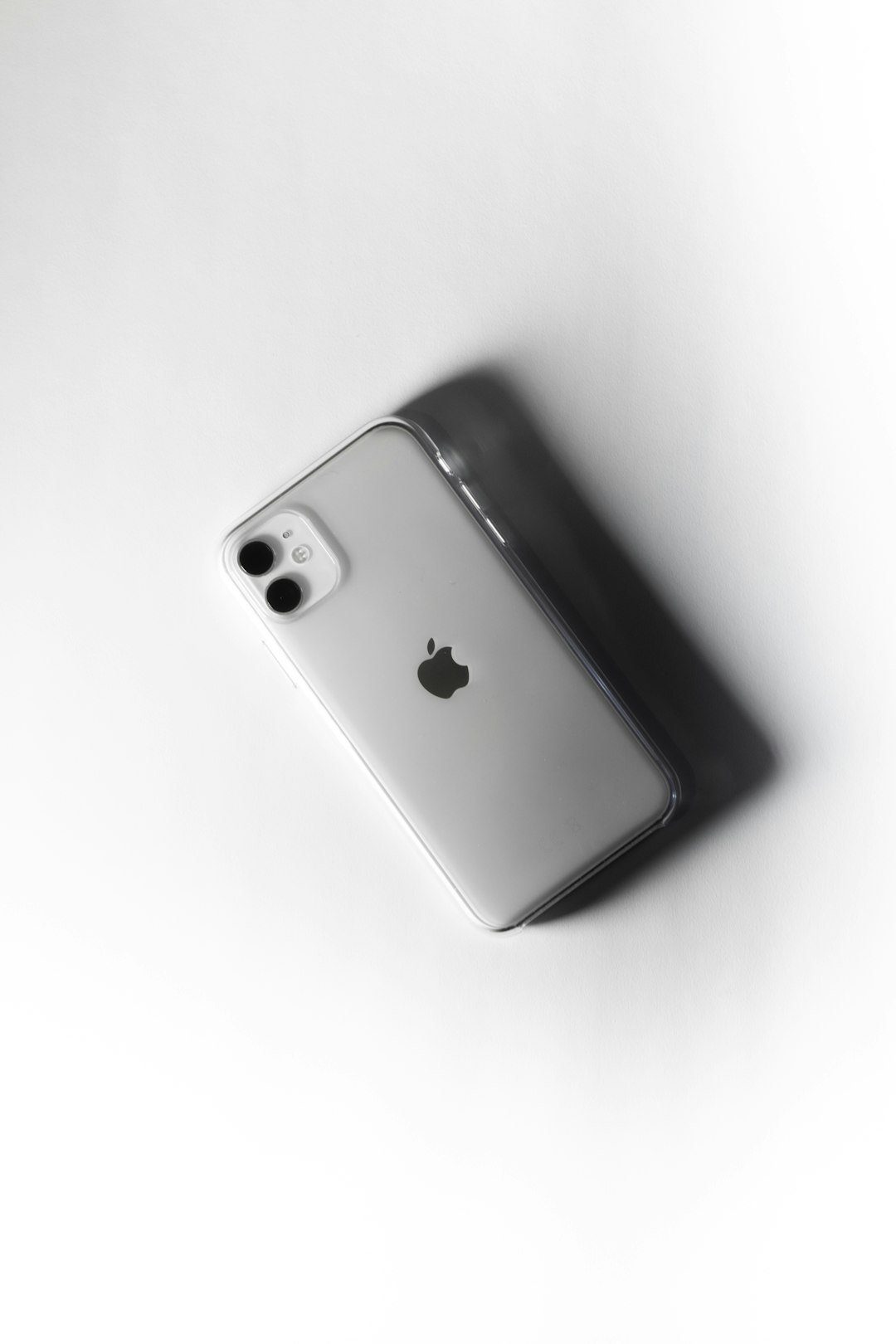
This enduring demand for smaller phones raises an interesting question: why do people still want compact iPhones when larger models offer enhanced displays and longer battery life? The answer boils down to lifestyle.
Key reasons include:
- One-handed use: Easier to operate without using both hands
- Portability: Fits easily in pockets, bags, and smaller compartments
- Ergonomics: More comfortable to hold for long durations
- Battery efficiency: Smaller screens require less energy, potentially enhancing longevity
In an era of oversized smartphones, the appeal of a smaller, hand-friendly device continues to speak to a select but loyal segment of users.
iOS Experience Is the Same, No Matter the Size
One of the major upsides of choosing a smaller iPhone is that Apple ensures the same iOS experience across the board. Whether using a flagship iPhone 15 Pro Max or the compact SE, users get the same security updates, features like FaceTime, iMessage, widgets, and App Store access.
This means compact phone owners don’t miss out on essential software improvements, a huge bonus compared to Android’s fragmentation. Even if a smaller phone doesn’t have Pro camera features or LiDAR, the overall system remains clean, intuitive, and consistent.
Alternatives to Buying a Small iPhone
If size is a major factor and newer small iPhones exceed your budget, there are alternatives to consider:
- Buy refurbished: Certified refurbished devices from Apple or reputable vendors can save money.
- Trade-in programs: Apple and many carriers offer trade-in plans that reduce the cost of new models.
- Go Android: A few Android manufacturers like ASUS and Sony occasionally offer compact models.
However, most users interested in Apple’s ecosystem find that the newest SE or a used iPhone 13 mini provides the perfect mix of performance, value, and portability.
Conclusion: Small but Mighty
Though Apple has largely moved toward larger screens, there’s still room in its product line for compact devices. In 2026, the smallest iPhone you can buy new is the iPhone SE (4th Gen)—a thoughtfully redesigned small iPhone with modern specs. Alternatively, the iPhone 13 mini remains a strong contender if purchased refurbished.
Ultimately, whether you’re a minimalist, someone with smaller hands, or just appreciate lightweight technology, there’s a small iPhone for you—with no need to compromise on performance or software.
Frequently Asked Questions (FAQ)
- Q: What is the smallest iPhone you can buy in 2026?
A: The smallest iPhone officially sold by Apple in 2026 is the iPhone SE (4th Gen), with a 5.4-inch OLED display. - Q: Is the iPhone 13 mini still available?
A: Apple no longer sells the iPhone 13 mini directly, but it may still be found through third-party and certified refurbished retailers. - Q: Does the new iPhone SE support Face ID?
A: Yes. The iPhone SE (4th Gen) has been redesigned and now includes Face ID and an edge-to-edge screen. - Q: Which iPhone has the smallest overall body?
A: The iPhone SE (3rd Gen) has the smallest overall body due to its 4.7-inch screen and older design, but it has larger bezels than newer models. - Q: Is there any reason to choose a small iPhone over a larger one?
A