
Technology is entering a phase where progress feels less incremental and more transformational. As we move through 2026, emerging technologies are no longer confined to research labs or pilot programs; they are actively reshaping how businesses operate, how people work, and how societies function. Artificial intelligence and automation sit at the center of this shift, but they are far from the only forces at play. Understanding these trends is no longer optional—it is essential for staying relevant in a rapidly evolving digital world.
TLDR: In 2026, artificial intelligence and automation are becoming deeply embedded in everyday tools, workplaces, and infrastructure. Generative AI, autonomous systems, and intelligent automation are driving efficiency while redefining jobs and skills. At the same time, technologies like edge computing, digital twins, and human-centric AI are adding new layers of intelligence and responsibility. Knowing these trends helps individuals and organizations prepare for a future that is already unfolding.
The Rise of Everyday Artificial Intelligence
Artificial intelligence has moved beyond being a specialized technology used only by large enterprises or tech giants. In 2026, AI is increasingly embedded into everyday applications, from email platforms that proactively summarize conversations to personal finance apps that anticipate spending patterns and offer real-time advice.
This shift is driven by advances in smaller, more efficient AI models that can run locally on devices. These models reduce latency, improve privacy, and allow AI to function even when cloud access is limited. As a result, users experience AI less as a separate tool and more as a natural extension of their digital environment.
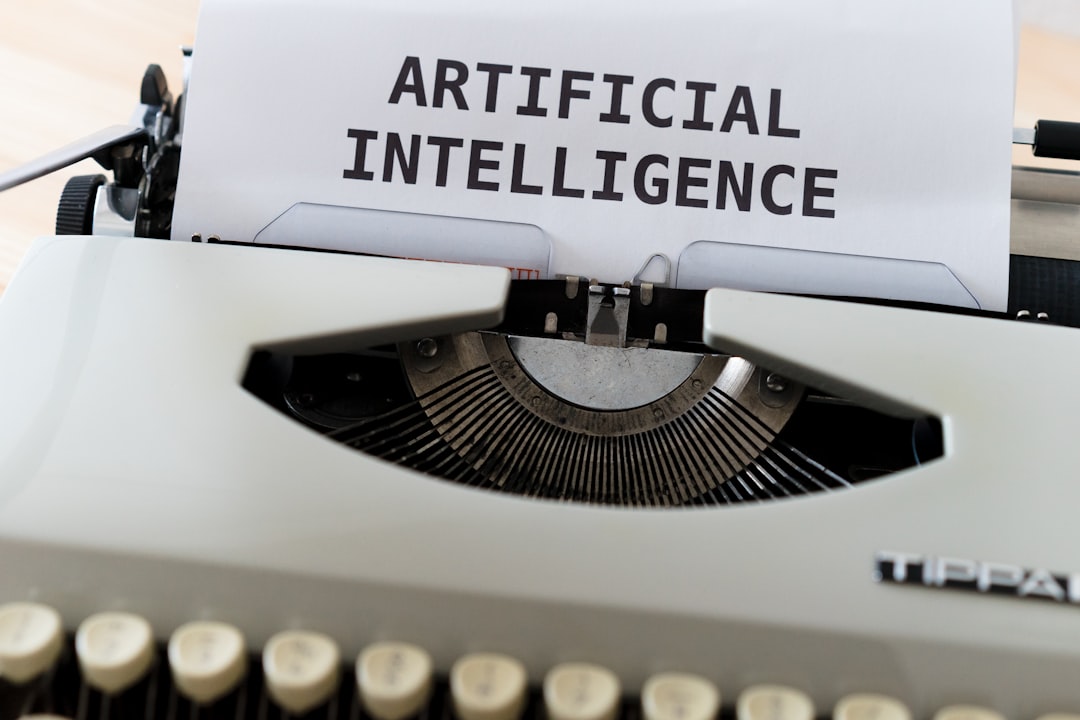
For businesses, this means AI adoption is no longer a massive, one-time transformation project. Instead, it is becoming a continuous process of layering intelligence into existing workflows. Customer support, content creation, forecasting, and quality control are some of the areas where embedded AI is already delivering measurable value.
Automation Becomes Intelligent Automation
Traditional automation focused on rules: if X happens, do Y. In 2026, that model is being replaced by intelligent automation, which combines AI, machine learning, and robotic process automation. These systems do not just execute tasks; they learn, adapt, and optimize over time.
Organizations are using intelligent automation to handle complex processes that were previously thought to require human judgment. Examples include loan approvals, supply chain adjustments, and even elements of legal and compliance review.
- Processes become faster and more consistent across teams.
- Error rates decrease as systems learn from historical data.
- Human workers can focus on problem-solving and creative tasks.
Importantly, automation in 2026 is less about job replacement and more about job redesign. Roles are evolving to include oversight, decision validation, and strategic thinking, changing what it means to be productive at work.
Generative AI Matures Beyond the Hype
Generative AI captured global attention earlier in the decade, but in 2026 it is entering a more mature and practical phase. Rather than experimental use cases, organizations are deploying generative models for specific, high-impact outcomes.

In marketing, generative AI produces drafts that align with brand voice. In software development, it assists with testing, documentation, and code optimization. In design, it helps explore variations faster than any human team could manage alone.
What makes 2026 different is the emphasis on human-in-the-loop systems. Instead of allowing AI to operate unchecked, companies are building governance frameworks that ensure accuracy, fairness, and accountability. This balance between creativity and control is key to sustainable adoption.
Edge Computing Powers Real-Time Intelligence
As AI and automation expand, the need for faster decision-making has highlighted the limits of cloud-only architectures. Edge computing, which processes data closer to where it is generated, is becoming a critical trend in 2026.
By combining edge computing with AI, organizations can enable real-time intelligence in environments where milliseconds matter. Manufacturing equipment can detect anomalies instantly, smart cities can adjust traffic flows dynamically, and healthcare devices can monitor patients continuously without delays.
This trend also supports stronger data privacy. Sensitive information can be analyzed locally rather than transmitted to centralized servers, reducing exposure and compliance risks.
Autonomous Systems in the Physical World
Automation is no longer confined to software. In 2026, autonomous systems are increasingly present in the physical world, including logistics, agriculture, and public infrastructure.
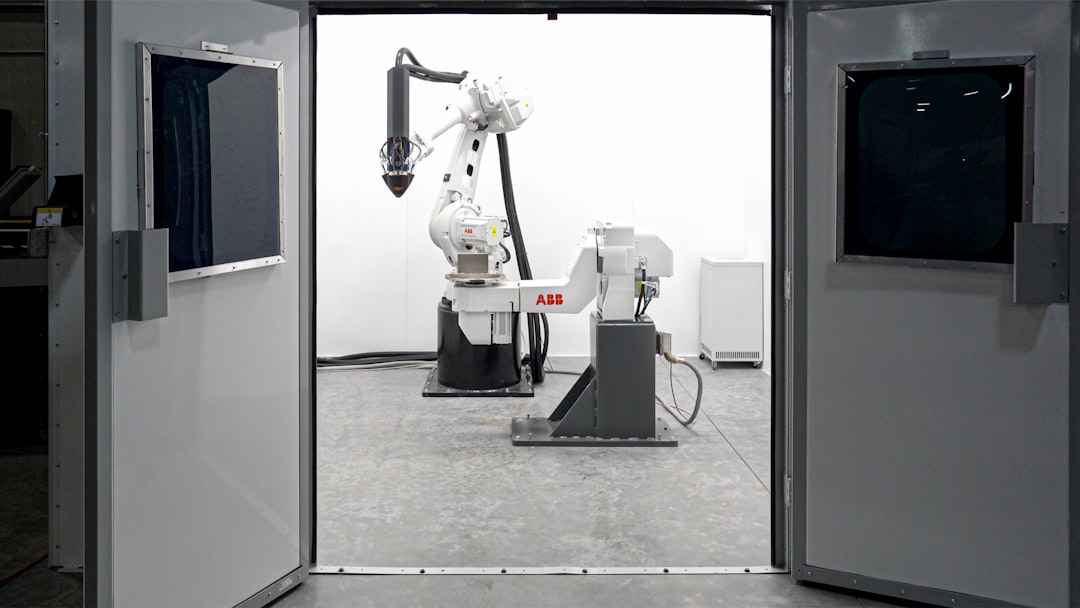
Warehouses use fleets of robots that coordinate with AI-driven inventory systems. Farms deploy autonomous machinery that optimizes planting and harvesting based on real-time soil and weather data. Even maintenance of roads and utilities is becoming more autonomous through the use of sensors and predictive analytics.
These systems are not fully independent; rather, they operate under human supervision. This hybrid model increases efficiency while maintaining safety and accountability.
Human-Centric AI and Ethical Design
As AI and automation become more powerful, the focus in 2026 is shifting toward human-centric design. Technology is being evaluated not only on what it can do, but on how it affects people.
Developers and policymakers are paying greater attention to transparency, explainability, and bias mitigation. Users increasingly expect to know why an AI system made a particular decision and how their data is being used.
- Explainable AI builds trust with users and regulators.
- Ethical design reduces the risk of unintended harm.
- Inclusive datasets improve fairness and accuracy.
This trend reflects a growing understanding that long-term adoption depends on aligning technology with human values, not just technical performance.
Digital Twins and Predictive Intelligence
Digital twins—virtual replicas of physical systems—are gaining momentum in 2026. Powered by AI and real-time data, they allow organizations to simulate scenarios, test decisions, and predict outcomes before taking action in the real world.
Industries such as manufacturing, energy, and urban planning are leveraging digital twins to reduce costs and improve resilience. For example, a digital twin of a power grid can simulate demand spikes, helping operators prepare for extreme weather events.
This predictive intelligence represents a major shift from reactive problem-solving to proactive optimization.
Preparing for the Skills Shift
Perhaps the most important trend accompanying AI and automation in 2026 is the transformation of skills. Technical expertise remains valuable, but so do creativity, adaptability, and critical thinking.
Organizations are investing in continuous learning programs to help employees work effectively alongside intelligent systems. Understanding how to ask the right questions, interpret AI-generated insights, and make informed decisions is becoming a core competency.
For individuals, staying informed about these emerging technology trends is a powerful way to remain competitive in a fast-changing job market.
Looking Ahead
AI and automation in 2026 are no longer future concepts—they are present realities shaping industries and daily life. When combined with trends like edge computing, digital twins, and ethical design, they form a technological ecosystem focused on intelligence, efficiency, and responsibility.
The key takeaway is not that machines are taking over, but that collaboration between humans and technology is reaching new levels. Those who understand and adapt to these emerging trends will be best positioned to thrive in the years ahead.