
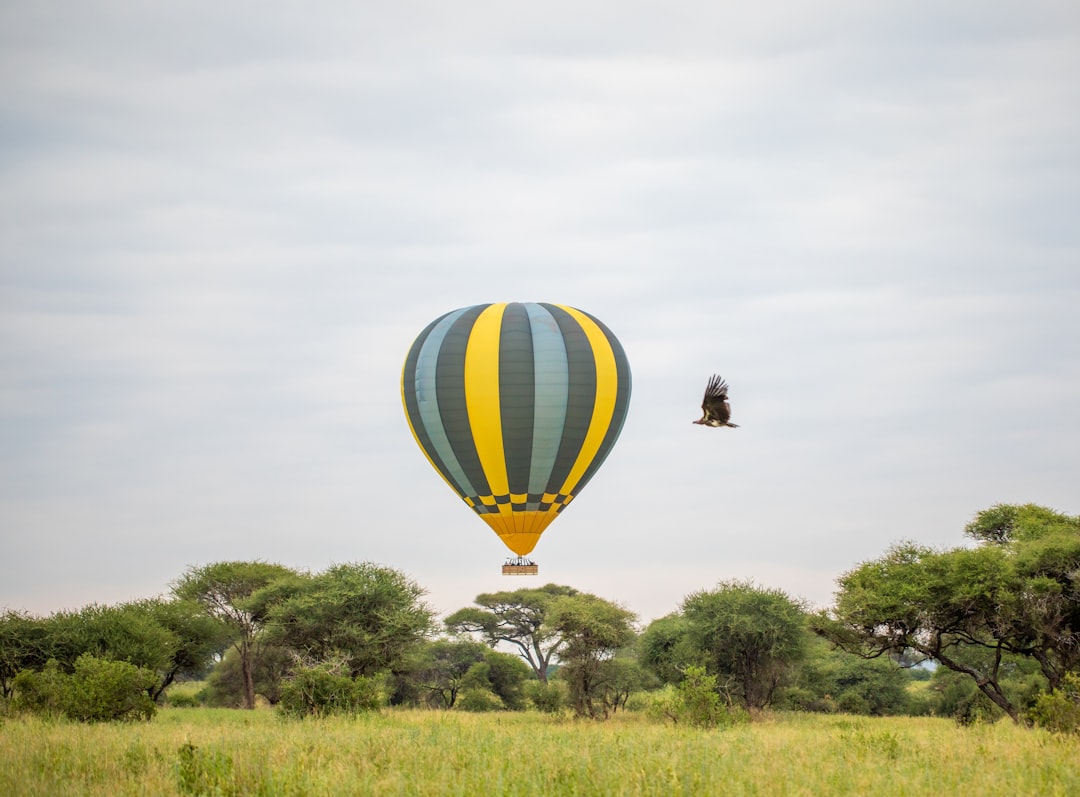
An African safari is more than a vacation—it is a deeply personal journey into some of the most breathtaking and wildlife-rich landscapes on Earth. Planning a tailor-made safari adventure allows travelers to shape every detail around their interests, comfort level, and dreams. Whether it’s witnessing the Great Migration in Kenya, tracking gorillas in Rwanda, or gliding through Botswana’s Okavango Delta, crafting a customized itinerary ensures an unforgettable experience. With insider knowledge and the right routes, a safari becomes seamless, immersive, and extraordinary.
TLDR: Planning a tailor-made safari in Africa involves choosing the right country, season, and wildlife experiences based on personal interests and budget. The best routes combine iconic national parks with lesser-known gems for a balanced adventure. Working with local experts enhances logistics, safety, and exclusive access. Thoughtful timing and smart packing complete the journey for a once-in-a-lifetime safari experience.
Why Choose a Tailor-Made Safari?
A tailor-made safari allows travelers to avoid rigid itineraries and instead focus on what excites them most. Some visitors want luxurious lodges with infinity pools overlooking watering holes, while others prefer intimate tented camps deep in the bush.
- Flexibility: Adjust travel pace and duration.
- Personalization: Focus on specific wildlife or activities.
- Privacy: Opt for private game drives or exclusive-use camps.
- Special Interests: Photography, birdwatching, conservation tours, or cultural encounters.
By tailoring an itinerary, travelers can avoid crowded routes and discover hidden gems recommended by seasoned guides.
Step 1: Choose the Right Safari Destination
Africa is vast and diverse. Each region offers something unique. Understanding the strengths of each destination is essential when crafting the perfect safari route.
East Africa: Kenya and Tanzania
Ideal for first-time safari-goers, East Africa is famous for iconic wildlife scenes and open savannah landscapes.
- Masai Mara (Kenya): Known for the Great Migration (July to October).
- Serengeti (Tanzania): Endless plains and year-round wildlife.
- Ngorongoro Crater: Dense concentration of animals in a unique volcanic caldera.
Southern Africa: Botswana, Namibia, South Africa
Southern Africa offers diverse ecosystems and exclusive lodge experiences.
- Okavango Delta (Botswana): Water-based safaris in mokoro canoes.
- Kruger National Park (South Africa): Excellent infrastructure and luxury lodges.
- Etosha National Park (Namibia): Unique salt pans and dramatic photography opportunities.
Central and East Africa: Rwanda and Uganda
For those seeking something different, gorilla trekking provides a profound wildlife encounter.
- Volcanoes National Park (Rwanda): Luxury gorilla trekking experiences.
- Bwindi Impenetrable Forest (Uganda): Intimate and adventurous setting.
Step 2: Time Your Safari Perfectly
Timing can make or break a safari experience. The dry season generally offers the best wildlife viewing since animals gather around water sources.
- East Africa: June to October (Great Migration peaks July–September).
- Botswana: May to October (Delta flood season peaks August).
- Southern Africa: May to September (dry winter months).
Insider Tip: Shoulder seasons (just before or after peak months) often provide excellent game viewing, fewer tourists, and lower rates.
Step 3: Select the Best Safari Routes
Designing the perfect route is about balance—mixing iconic parks with quieter reserves.
Classic Northern Tanzania Circuit (7–10 Days)
- Arusha (arrival)
- Tarangire National Park
- Ngorongoro Crater
- Serengeti National Park
This route offers variety: baobab-filled landscapes, predator sightings, and cultural visits to Maasai villages.
Botswana Explorer Route (8–12 Days)
- Chobe National Park
- Okavango Delta
- Moremi Game Reserve
This circuit combines river safaris with classic 4×4 game drives in remote landscapes.
Kenya Bush and Beach Combo (10–14 Days)
- Masai Mara
- Laikipia Plateau
- Diani Beach (Indian Ocean)
Insider Tip: Ending a safari with a few days on the coast allows travelers to unwind after early morning game drives.
Image not found in postmetaStep 4: Choose the Right Accommodation Style
A tailor-made safari hinges on selecting accommodations that fit personal preferences and comfort levels.
Luxury Lodges
- Spacious suites
- Private plunge pools
- Fine dining experiences
- Spa treatments
Tented Camps
- Authentic bush atmosphere
- Eco-friendly setups
- Close proximity to wildlife
Mobile Camps
Perfect for following the Great Migration, these camps move seasonally to maximize wildlife encounters.
Insider Tip: Small camps with fewer tents often provide the most personalized experiences and better guide-to-guest ratios.
Step 5: Enhance Your Safari With Unique Experiences
Going beyond traditional game drives adds depth to an adventure.
- Hot Air Balloon Safari: Drift over the Serengeti at sunrise.
- Walking Safaris: Learn about tracks, plants, and ecosystems on foot.
- Night Drives: Spot elusive nocturnal animals.
- Cultural Visits: Engage with Maasai, Himba, or San communities.
- Conservation Experiences: Participate in wildlife monitoring programs.
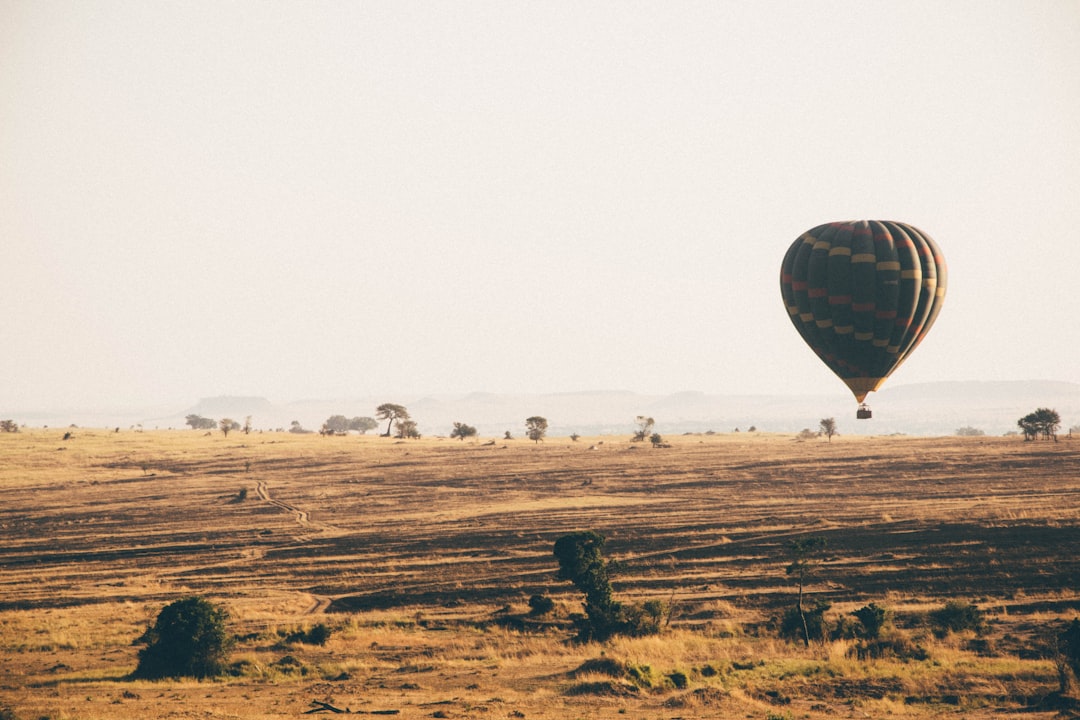
These add-ons transform a traditional safari into a multi-dimensional exploration.
Step 6: Work With Local Experts
One of the biggest insider secrets to planning a seamless safari is partnering with a reputable local operator. They provide:
- Real-time knowledge of wildlife movements
- Access to private conservancies
- Emergency support and logistics coordination
- Better value through trusted networks
Additionally, private guides can tailor daily schedules to traveler interests—whether focusing exclusively on big cats or photographing rare bird species.
Practical Planning Tips
Health and Safety
- Check vaccination requirements early.
- Purchase comprehensive travel insurance.
- Follow park safety guidelines strictly.
Packing Essentials
- Neutral-colored clothing
- Lightweight layers
- Wide-brim hat and sunglasses
- Binoculars and camera gear
- Reusable water bottle
Budget Considerations
Safari costs vary significantly. Key pricing factors include:
- Season of travel
- Level of accommodation
- Private versus shared vehicles
- Internal flights between parks
Insider Tip: Combining road transfers with short bush flights can maximize time in wildlife areas while keeping costs balanced.
Balancing Adventure and Comfort
The best tailor-made safaris balance excitement with rest. Early morning drives are often rewarded with predator sightings, while afternoons can be used for relaxation at camp. Many luxury lodges offer shaded decks, plunge pools, and wellness treatments—an ideal contrast to thrilling wildlife encounters.
Travelers should avoid overpacking their itinerary. Spending at least two or three nights in each location allows deeper immersion and reduces travel fatigue.
Sustainable and Responsible Travel
A responsible safari supports conservation and local communities. Travelers should prioritize:
- Eco-certified lodges
- Community-owned conservancies
- Operators committed to anti-poaching initiatives
- Minimal plastic waste policies
Responsible tourism ensures Africa’s wildlife and cultures thrive for future generations.
Frequently Asked Questions (FAQ)
1. How far in advance should a tailor-made safari be booked?
It is ideal to book 6–12 months in advance, especially for peak seasons such as the Great Migration. Luxury camps and small lodges fill quickly.
2. Is a private safari worth the extra cost?
For travelers seeking flexibility, exclusive vehicles, and personalized guiding, a private safari significantly enhances the experience.
3. What is the best country for a first-time safari?
Kenya, Tanzania, and South Africa are excellent starting points due to strong infrastructure, abundant wildlife, and varied accommodations.
4. Are safaris safe?
Yes, when conducted with reputable operators and experienced guides. Parks maintain strict safety regulations, and guides are highly trained.
5. How long should a safari last?
Most travelers find 7–12 days ideal for exploring multiple parks without feeling rushed.
6. Can safaris be combined with other experiences?
Absolutely. Popular combinations include beach extensions in Zanzibar or Seychelles, vineyard tours in South Africa, or gorilla trekking add-ons.
7. What wildlife can typically be seen?
Depending on the region, travelers may encounter lions, elephants, rhinos, buffalo, leopards, cheetahs, giraffes, hippos, zebras, and countless bird species.
Planning a tailor-made safari adventure in Africa requires thoughtful preparation, insider expertise, and a clear vision of desired experiences. By carefully selecting destinations, timing, routes, and accommodations, travelers can create a journey that is uniquely their own. With the right guidance and a spirit of curiosity, a safari becomes not just a trip—but a life-changing encounter with the wild.