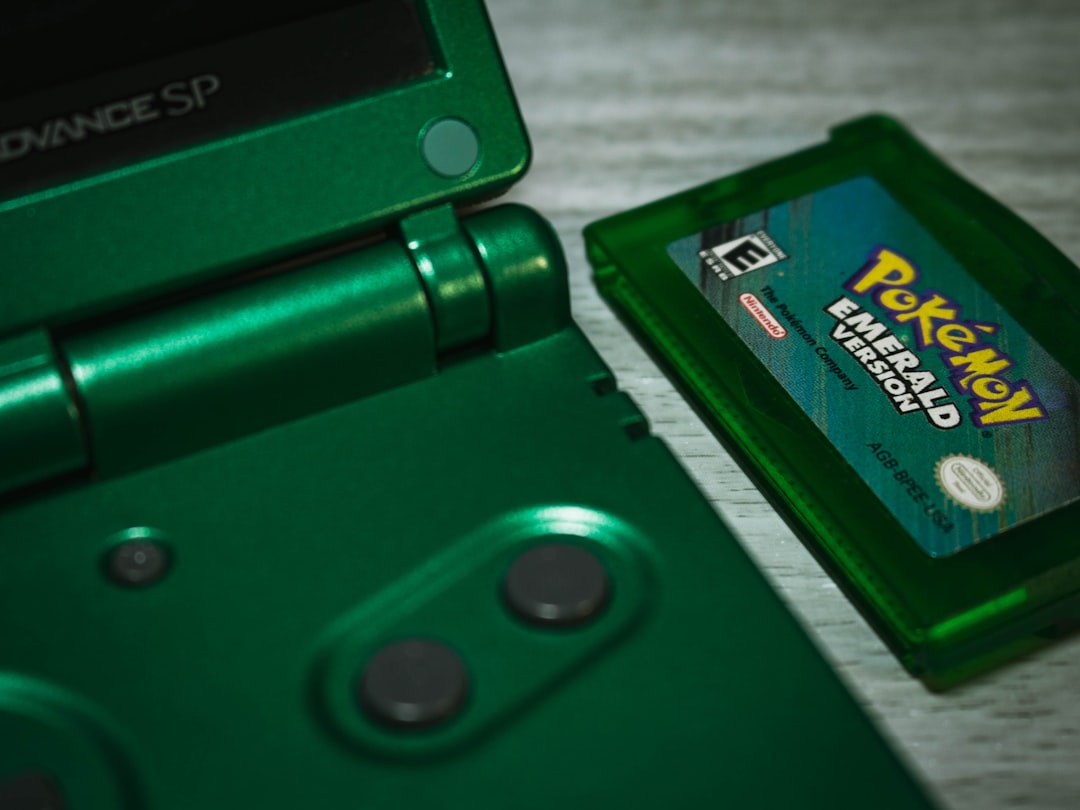
The question of whether Nintendo owns Pokémon is one of the most common—and most misunderstood—topics in the gaming industry. Pokémon is one of the most valuable media franchises in the world, spanning video games, trading cards, television, movies, merchandise, and mobile apps. Because Pokémon games are traditionally released on Nintendo consoles, many assume Nintendo fully owns the franchise. The reality, however, is more complex and involves multiple corporate stakeholders.
TLDR: Nintendo does not fully own Pokémon. Instead, Pokémon is jointly owned by three companies: Nintendo, Game Freak, and Creatures Inc., operating together under The Pokémon Company. Nintendo holds a significant minority stake and owns essential trademarks and publishing rights, but it is not the sole owner. The structure is collaborative, with shared responsibilities and profits.
The Origins of Pokémon and Its Ownership Structure
To understand Pokémon’s ownership, it’s important to look back at its beginnings in the 1990s. Pokémon was created by Satoshi Tajiri and developed by Game Freak, an independent game development studio. When the first Pokémon games—Pokémon Red and Green—launched in Japan in 1996, they were published by Nintendo for the Game Boy.
However, publishing a game is not the same as owning its intellectual property (IP). From the beginning, Pokémon was structured as a collaborative effort between three companies:
- Game Freak – The original developer and co-creator of the franchise.
- Nintendo – The publisher and platform holder.
- Creatures Inc. – A company involved in development and especially the Pokémon Trading Card Game.
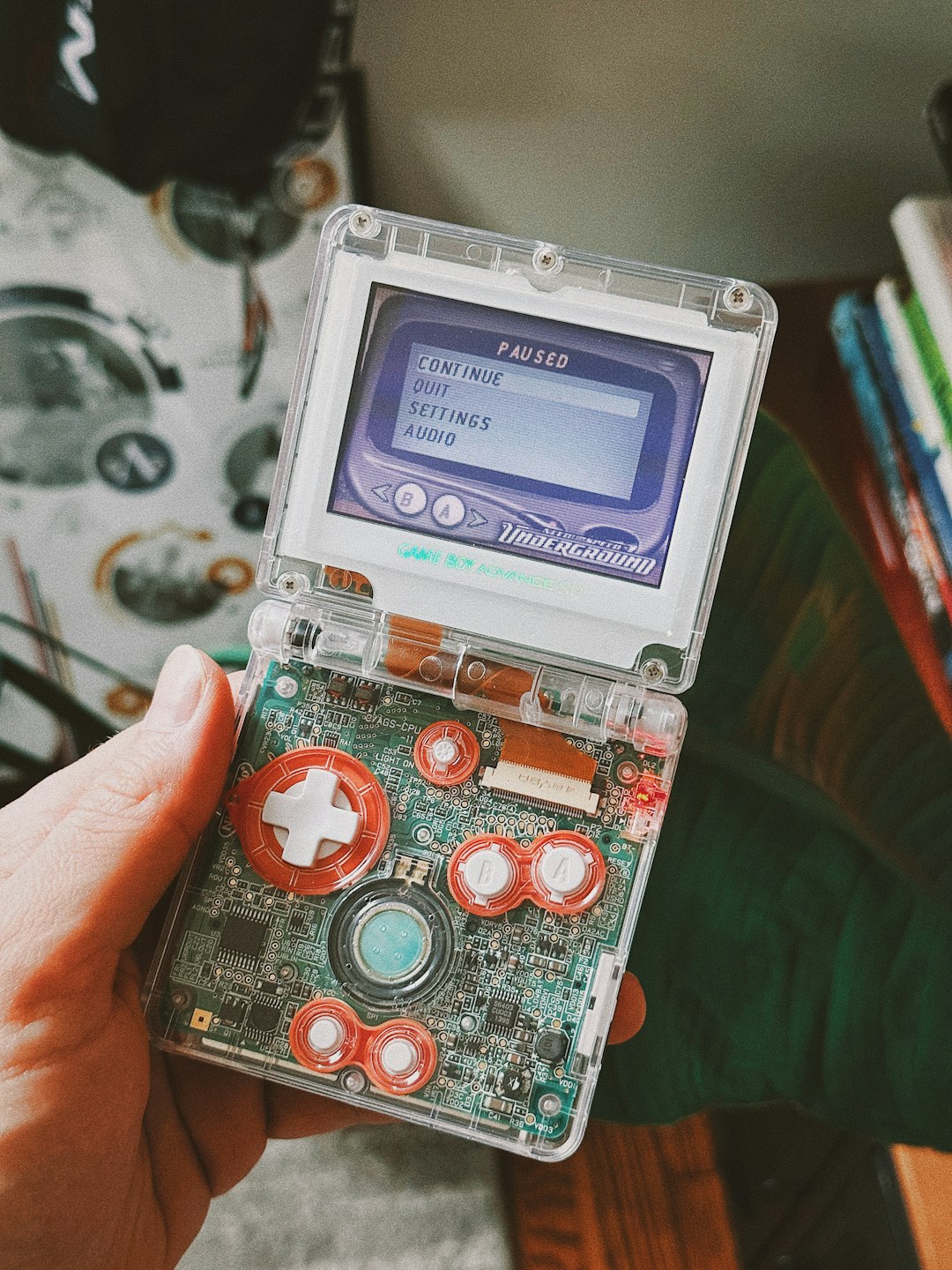
These three companies later formalized their relationship by creating The Pokémon Company (TPC) in 1998 to manage the brand globally. This structure remains in place today.
Who Owns What? Breaking It Down
The key to answering whether Nintendo owns Pokémon lies in understanding shared ownership. Pokémon is jointly owned by Nintendo, Game Freak, and Creatures Inc. None of the three companies owns the franchise outright.
1. Nintendo’s Stake
Nintendo holds an estimated one-third ownership stake in The Pokémon Company. While exact ownership percentages are not publicly disclosed in recent filings, it is widely accepted that each of the three founding companies maintains roughly equal equity.
Nintendo’s role includes:
- Publishing mainline Pokémon games globally
- Distributing games on Nintendo hardware
- Holding partial trademark rights
- Owning certain character copyrights (shared)
Importantly, Nintendo owns the trademarks for Pokémon in many regions, particularly outside Japan. This gives the company significant leverage and financial benefit, even without full ownership.
2. Game Freak’s Role
Game Freak remains the primary developer of the mainline Pokémon RPG series. As a co-owner, it maintains creative direction over new generations, Pokémon designs, regional concepts, and core gameplay systems.
Unlike Nintendo, Game Freak is not a publicly traded company. It operates independently but collaborates closely with Nintendo and Creatures through the Pokémon Company framework.
This means that Game Freak is not a subsidiary of Nintendo. Despite common beliefs, Nintendo does not own Game Freak.
3. Creatures Inc.
Creatures Inc. plays a major role in the Pokémon Trading Card Game (TCG) and supports game development through technical and design contributions. It also works on 3D modeling and other technical aspects of the franchise.
Creatures Inc. has financial ties to Nintendo, as Nintendo owns a minority stake in Creatures. This adds another layer of interconnected ownership but still does not create full control.
The Pokémon Company: The Governing Entity
Formed in 1998, The Pokémon Company (TPC) manages branding, licensing, marketing, and global expansion of the franchise. It oversees:
- The Pokémon anime series
- Feature films
- Merchandise licensing
- Mobile games like Pokémon GO (through partnerships)
- International distribution
It is crucial to note that The Pokémon Company itself is independently operated. While Nintendo owns a share, TPC functions as a joint venture. Major strategic decisions typically require coordination among all three parent companies.
Why Do People Think Nintendo Fully Owns Pokémon?
Several factors contribute to the widespread misconception:
Exclusive Platform Releases
All mainline Pokémon games are released exclusively on Nintendo hardware. From the Game Boy to the Nintendo Switch, Pokémon has never appeared on PlayStation or Xbox platforms.
Brand Association
Pokémon is heavily marketed alongside Nintendo franchises like Mario and Zelda. Many consumers naturally group them together.
Nintendo’s Financial Reporting
Nintendo includes revenue from Pokémon-related software sales in its earnings reports. However, the company does not consolidate the full earnings of The Pokémon Company, which shows that it lacks full ownership control.
Financial Impact: Who Profits?
Pokémon is estimated to be the highest-grossing media franchise in history, generating over $100 billion in lifetime revenue. Revenue streams include:
- Video game sales
- Trading card sales
- Anime broadcasting rights
- Movies
- Global merchandise
- Mobile game licensing
Profits are distributed according to ownership stakes and contractual agreements. While Nintendo benefits heavily from video game sales and hardware boosts driven by Pokémon, it does not receive all franchise profits.
Comparison Chart: Who Controls What?
| Area of Control | Nintendo | Game Freak | Creatures Inc. |
|---|---|---|---|
| Mainline Game Development | Publisher | Primary Developer | Support Role |
| Trading Card Game | Partial | Minor Role | Primary Developer |
| Global Licensing | Shared via TPC | Shared via TPC | Shared via TPC |
| Trademark Ownership | Holds Key Rights | Shared Rights | Shared Rights |
| Hardware Distribution | Full Control | None | None |
What About Pokémon GO?
Pokémon GO adds another layer to the ownership discussion. Released in 2016, the mobile game was developed by Niantic in partnership with The Pokémon Company and Nintendo.
Image not found in postmetaMany people incorrectly believed Nintendo owned Pokémon GO outright. In reality:
- Niantic developed and operated the game.
- The Pokémon Company licensed the IP.
- Nintendo held an indirect financial interest due to its ownership stake in both TPC and (at the time) Niantic.
When Pokémon GO launched, Nintendo’s stock surged dramatically, but later adjusted when investors realized Nintendo did not directly own the game’s full revenue stream.
Does Nintendo Have Final Say?
Nintendo holds significant influence, but not unilateral control. Because it owns part of The Pokémon Company and key trademarks, it has substantial negotiating power. Additionally, Pokémon’s exclusive presence on Nintendo consoles gives the company considerable strategic leverage.
However, creative direction typically falls to Game Freak, particularly for core RPG entries. Major franchise decisions—such as introducing new generations, expanding into multimedia, or approving partnerships—are collaborative.
In legal terms, Pokémon is a jointly owned intellectual property. No single company can independently sell or restructure the franchise without agreement from the others.
Why the Structure Matters
This shared ownership model has both advantages and challenges:
Advantages
- Diversified expertise across development, publishing, and merchandising
- Shared financial risk
- Balanced creative and commercial decision-making
Challenges
- Complex profit-sharing arrangements
- Slower decision-making processes
- Public confusion about control and responsibility
From a governance standpoint, the arrangement has proven remarkably stable. Pokémon has sustained cultural and commercial dominance for nearly three decades under this structure.
Final Answer: Does Nintendo Own Pokémon?
The most accurate answer is: Nintendo partially owns Pokémon, but it does not own it outright.
The franchise is jointly owned by:
- Nintendo
- Game Freak
- Creatures Inc.
They operate together through The Pokémon Company, which oversees the global brand. Nintendo plays a powerful and highly visible role in Pokémon’s success, but it shares legal ownership, creative authority, and financial rewards.
Understanding this nuanced structure clarifies why Pokémon remains exclusive to Nintendo platforms while still functioning independently from Nintendo’s fully owned franchises like Mario or The Legend of Zelda. It is not a wholly owned property—but rather one of the most successful collaborative ventures in entertainment history.