
Nintendo is one of the most recognizable names in the gaming industry, known for iconic franchises such as Super Mario, The Legend of Zelda, and Pokémon. Beyond its beloved characters and consoles, the company is also known for aggressively protecting its intellectual property, particularly its patents. This has led many developers, competitors, and even curious gamers to ask an important legal question: Can you sue Nintendo over game patents? The answer is more complex than a simple yes or no and depends on several legal and practical factors.
TLDR: Yes, it is legally possible to sue Nintendo over game patents, but success depends on proving patent invalidity, non-infringement, or other legal grounds. Patent litigation is expensive, complex, and often favors companies with significant financial resources. Plaintiffs must demonstrate standing, jurisdiction, and strong legal arguments. Consulting a patent attorney is essential before taking any action.
Understanding whether someone can sue Nintendo requires a closer look at how patent law works, how large corporations defend their intellectual property, and what options are realistically available to individuals or smaller companies.
Understanding Game Patents
A patent is a form of intellectual property that gives its owner the exclusive right to make, use, sell, or license an invention for a limited period, typically 20 years from the filing date. In the gaming industry, patents often cover:
- Gameplay mechanics
- Hardware innovations
- User interface systems
- Controller technologies
- Network and multiplayer systems
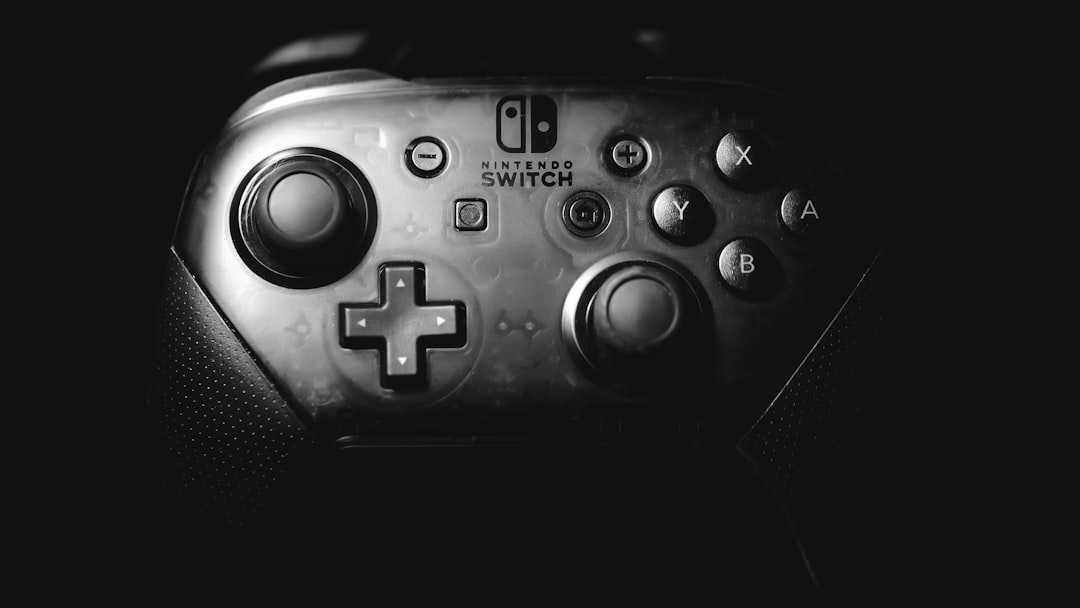
Nintendo holds numerous patents worldwide. Some are related to unique controller designs, motion controls, handheld-console hybrids, and specific gameplay mechanics. These patents allow Nintendo to prevent others from copying protected inventions without permission.
If another company or individual believes Nintendo’s patent is invalid—or that Nintendo is infringing on someone else’s patent—they may consider legal action.

On What Grounds Could Someone Sue Nintendo?
There are several potential legal grounds for suing a company like Nintendo over patents:
1. Patent Infringement (Reverse Situation)
If an individual or company holds a valid patent and believes Nintendo is using that patented technology without authorization, they may file a patent infringement lawsuit. In such cases, the plaintiff must prove:
- They own a valid and enforceable patent.
- Nintendo used the patented invention without permission.
- The use caused financial harm.
This type of lawsuit is common in the tech industry and can result in damages or licensing agreements.
2. Challenging Nintendo’s Patent Validity
A party accused of infringing Nintendo’s patent may argue that the patent is invalid. Grounds for invalidity often include:
- Prior art – The invention was already publicly known.
- Obviousness – The invention is an obvious combination of existing ideas.
- Lack of novelty – It is not sufficiently new.
- Improper patent subject matter
This can be done in court or via administrative proceedings like an inter partes review (IPR) before a patent office.
3. Declaratory Judgment Actions
If Nintendo accuses a developer of infringement or threatens litigation, the developer may proactively file a lawsuit seeking a declaratory judgment. This asks the court to formally declare that the developer is not infringing or that the patent is invalid.
Legal and Financial Challenges
While suing Nintendo is legally possible, it is not simple. Patent litigation is among the most expensive forms of legal disputes.
Costs may include:
- Attorney fees (often hundreds of dollars per hour)
- Expert witness fees
- Court filing fees
- Technical analysis costs
Complex patent cases can easily cost hundreds of thousands or even millions of dollars. Large corporations like Nintendo have substantial legal resources and experienced intellectual property teams.
Jurisdiction Matters
Nintendo operates globally, and patent rights are territorial. This means:
- A U.S. patent only applies in the United States.
- A European patent applies only in designated European countries.
- Japanese patents apply only in Japan.
If someone wishes to sue Nintendo, the lawsuit must be filed in a jurisdiction where the patent is valid and enforceable. Additionally, the court must have personal jurisdiction over Nintendo.
This often complicates matters, especially for small developers operating internationally.
Burden of Proof
In most patent disputes:
- The plaintiff bears the burden of proving infringement.
- The party challenging validity must provide clear and convincing evidence.
This high evidentiary standard can make lawsuits difficult to win without substantial documentation and expert testimony.
Possible Outcomes of Suing Nintendo
If someone successfully sues Nintendo or defends against a patent claim, several outcomes are possible:
- Monetary damages
- Injunctions preventing further use of the patent
- Licensing agreements
- Patent invalidation
- Settlement agreements outside of court
In reality, many patent disputes settle before reaching trial, often under confidential terms.

Real-World Examples in the Gaming Industry
The gaming industry has seen numerous patent disputes involving major players. Companies like Sony, Microsoft, and Nintendo have both sued and been sued over technological innovations.
These disputes frequently involve:
- Controller vibration features
- Motion tracking systems
- Online matchmaking technologies
- Digital store interfaces
In some cases, courts have invalidated patents. In others, companies paid licensing fees or damages. The key takeaway is that no company—regardless of size—is entirely immune from litigation. However, larger companies are often better equipped to sustain long legal battles.
Strategic Considerations Before Filing a Lawsuit
Before pursuing legal action against Nintendo over game patents, a potential plaintiff should evaluate:
- Strength of the patent or defense
- Available financial resources
- Business consequences
- Likelihood of countersuit
- Public relations impact
Sometimes negotiation or licensing discussions may be more practical and cost-effective than court action.
Do Independent Developers Have a Chance?
Independent developers often worry about taking on large corporations. While challenging, it is not impossible. Courts are designed to be neutral forums. If a developer possesses a valid patent and strong evidence, the size of the opposing party does not legally determine the outcome.
However, economic realities cannot be ignored. Smaller entities may seek:
- Contingency-based legal representation
- Litigation funding
- Partnerships with larger firms
Alternatives like mediation or arbitration may also reduce costs compared to full-scale federal litigation.
Is It Worth Suing?
Whether suing Nintendo is “worth it” depends on:
- The financial damages involved
- The strategic value of the patent
- The strength of supporting evidence
- The potential for settlement
In some cases, asserting patent rights may protect a company’s innovations and future revenue. In others, the expense and time commitment may outweigh potential gains.
Conclusion
Suing Nintendo over game patents is legally possible but procedurally and financially demanding. Patent law is complex, and outcomes depend heavily on evidence, jurisdiction, and legal strategy. While individuals and small developers are not barred from pursuing action, they must prepare for extensive litigation challenges.
Ultimately, anyone considering a patent-related lawsuit against Nintendo—or any major corporation—should consult an experienced intellectual property attorney. Proper legal advice can determine whether a case has merit and whether litigation is the most effective path forward.
Frequently Asked Questions (FAQ)
-
Can an individual gamer sue Nintendo over a patent?
Generally, no—unless the gamer owns a valid patent that Nintendo is infringing. Merely disagreeing with Nintendo’s patent ownership is not sufficient. -
How much does it cost to file a patent lawsuit?
Patent lawsuits can range from tens of thousands to several million dollars, depending on complexity and duration. -
Can Nintendo countersue?
Yes. In patent litigation, it is common for defendants to file counterclaims, including alleging infringement of their own patents. -
What if Nintendo’s patent should never have been granted?
A party can challenge the patent’s validity in court or through administrative review procedures like inter partes review. -
Do patent laws differ by country?
Yes. Patent protection is territorial, meaning rights and enforcement vary by jurisdiction. -
Is settlement common in patent disputes?
Yes. Many patent cases settle before trial, often through licensing agreements or confidential monetary settlements.