
A kitchen island often serves as the heart of the home—part prep station, part gathering spot, and part design statement. When choosing the right surface, homeowners frequently find themselves deciding between two popular materials: butcher block and granite. Each offers distinct advantages in style, durability, maintenance, and cost. Understanding how these materials compare can help homeowners make a confident, informed decision that fits both lifestyle and design goals.
TLDR: Butcher block offers warmth, affordability, and a forgiving prep surface but requires regular maintenance to prevent moisture damage and wear. Granite delivers exceptional durability, heat resistance, and a high-end look but comes with a higher upfront cost and less forgiving surface. The right choice depends on cooking habits, maintenance preferences, and overall kitchen style. Both materials can create a beautiful, functional kitchen island when chosen thoughtfully.
Understanding Butcher Block
Butcher block countertops are typically made from strips of hardwood—such as maple, oak, walnut, or cherry—glued together to form a sturdy slab. Known for their natural warmth and organic appearance, they bring a cozy, inviting aesthetic to kitchens of all styles, from farmhouse to modern minimalist.
Image not found in postmetaAdvantages of Butcher Block
- Warm Aesthetic: Adds natural texture and complements both rustic and contemporary designs.
- Knife-Friendly Surface: Easier on knives and can double as a cutting surface.
- Refinishing Potential: Scratches and stains can often be sanded out.
- Budget-Friendly: Generally costs less than high-end stone options.
Drawbacks of Butcher Block
- Maintenance Requirements: Needs regular oiling or sealing.
- Susceptible to Water Damage: Prolonged moisture exposure may cause warping.
- Prone to Scratches: Though repairable, marks accumulate over time.
Homeowners who enjoy hands-on kitchen care and appreciate evolving character may find butcher block highly appealing. Over time, the surface develops a lived-in patina that tells the story of shared meals and daily life.
Exploring Granite
Granite is a natural stone formed from cooled magma, prized for its strength and unique veining. Each slab is distinctive, offering variations in color and pattern that range from subtle neutrals to dramatic swirls.
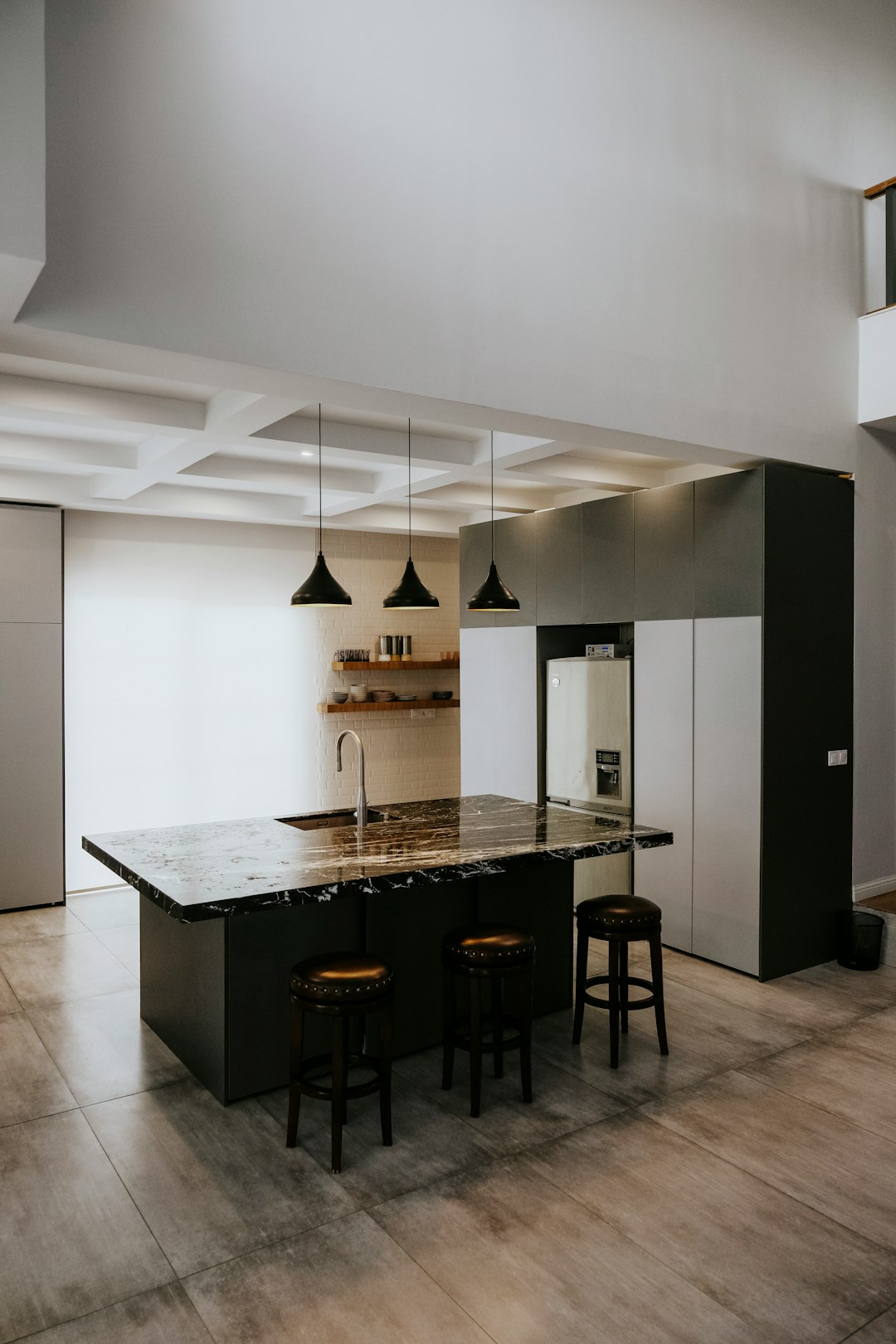
Advantages of Granite
- Extreme Durability: Resistant to scratches, chips, and everyday wear.
- Heat Resistance: Can handle hot pots and pans without damage.
- High-End Appeal: Adds resale value and a luxurious look.
- Low Daily Maintenance: Easy to clean with mild soap and water.
Drawbacks of Granite
- Higher Cost: Typically more expensive than butcher block.
- Sealing Required: Must be sealed periodically to resist stains.
- Hard Surface: Less forgiving on dropped dishes and glassware.
Granite appeals to homeowners seeking a long-lasting surface that can handle heavy use with minimal visible wear. Its polished finish often becomes a focal point in modern and transitional kitchens.
Comparing Key Factors
Choosing between butcher block and granite involves evaluating several practical and aesthetic considerations.
1. Durability
Granite clearly outperforms butcher block in terms of resistance to scratches, heat, and moisture. While butcher block can be repaired more easily, it is inherently softer and more vulnerable to wear.
2. Maintenance
Butcher block requires consistent oiling—often every few weeks depending on use. Granite requires resealing once or twice a year but otherwise demands minimal upkeep. Those preferring a low-maintenance lifestyle may lean toward granite.
3. Appearance
Butcher block offers warmth and a natural feel. Granite provides elegance and dramatic visual variation. The choice largely depends on desired atmosphere:
- Cozy and inviting: Butcher block
- Sleek and sophisticated: Granite
4. Cost
Pricing varies by region and material quality, but on average:
- Butcher Block: $40–$100 per square foot installed
- Granite: $60–$200+ per square foot installed
Budget-conscious remodelers may find butcher block more accessible, particularly for large islands.
5. Food Preparation
Butcher block can function as a built-in cutting surface, making it popular among avid home cooks. Granite, though durable, can dull knives and typically requires a cutting board.
Side-by-Side Comparison Chart
| Feature | Butcher Block | Granite |
|---|---|---|
| Material Type | Hardwood | Natural Stone |
| Durability | Moderate, repairable | Very high |
| Heat Resistance | Low | High |
| Maintenance | Frequent oiling | Periodic sealing |
| Cost | Lower to mid-range | Mid-range to high |
| Aesthetic Style | Warm, rustic, natural | Elegant, polished, bold |
| Resale Value Impact | Moderate | High |
Lifestyle Considerations
Kitchen islands are high-traffic zones. Homeowners should think about how the space functions daily.

- Frequent Entertainers: Granite’s polished appearance and durability may better withstand spills and heavy use.
- Avid Bakers: Granite remains cool, making it ideal for rolling dough.
- Hands-On Cooks: Butcher block provides a forgiving prep surface.
- Busy Families: Granite resists stains and scratches from daily chaos.
In some cases, homeowners choose a hybrid approach—installing granite around the perimeter and reserving butcher block for the island or a dedicated prep zone.
Environmental Impact
Sustainability may also influence the decision.
Butcher block can be eco-friendly when crafted from responsibly sourced or reclaimed wood. It is biodegradable and renewable, depending on harvesting practices.
Granite involves quarrying and transportation, which have environmental impacts. However, its longevity reduces the need for replacement, potentially offsetting initial resource use.
Design Versatility
Butcher block pairs beautifully with:
- White cabinetry
- Black hardware accents
- Farmhouse sinks
Granite complements:
- Modern flat-panel cabinets
- Statement lighting fixtures
- Tile backsplashes with bold patterns
Because granite slabs vary significantly, homeowners should view full slabs rather than small samples to appreciate pattern movement and color distribution.
Making the Final Decision
Ultimately, the choice between butcher block and granite depends on balancing aesthetics, maintenance tolerance, and long-term priorities. Those who value warmth, character, and affordability may gravitate toward butcher block. Those seeking longevity, low daily upkeep, and elevated resale appeal may find granite more aligned with their goals.
Both materials offer distinct benefits. With thoughtful planning and realistic expectations, either can become a stunning and practical centerpiece for years to come.
Frequently Asked Questions (FAQ)
1. Is butcher block sanitary for kitchen islands?
Yes, when properly maintained. Regular oiling and cleaning with mild soap help prevent bacteria buildup. Many hardwoods also possess natural antimicrobial properties.
2. How often does granite need sealing?
Most granite surfaces require sealing once every 6 to 12 months, depending on usage and the type of sealant applied.
3. Can hot pans be placed directly on butcher block?
No. Direct heat can scorch or crack the wood. Always use trivets or heat pads to protect the surface.
4. Which surface lasts longer?
Granite typically lasts longer due to its extreme durability. However, butcher block can also endure for decades with proper care and occasional refinishing.
5. Does granite increase home resale value?
Granite is widely recognized as a premium material and can positively influence buyer perception and resale value.
6. Can scratches in butcher block be repaired?
Yes. Minor scratches can often be sanded out and refinished, restoring the surface’s appearance.
7. Is a combination of both materials a good idea?
Absolutely. Many designers incorporate granite for perimeter counters and butcher block for the island to balance durability with warmth.
By carefully weighing performance, upkeep, and visual impact, homeowners can confidently select the kitchen island surface that best supports their culinary habits and personal style.