Imagine your identity is a tiny superhero in a cape. It has your name, address, birthday, Social Security number, bank details, and maybe even your pet’s name. Now imagine sneaky villains trying to steal that cape. Identity theft protection platforms are like security guards for your personal information. They watch, listen, and shout when something looks weird.
TLDR: Identity theft protection platforms help watch your personal data in real time. They send alerts when your information appears in risky places, like the dark web or suspicious account activity. They can help you act fast before a small problem becomes a giant mess. Think of them as a digital alarm system for your identity.
What Is Identity Theft?
Identity theft happens when someone uses your personal information without permission. They may open credit cards. They may apply for loans. They may pretend to be you online. Rude, right?
Your identity is valuable. Criminals can use it to make money. They can also damage your credit score. They may leave you with bills you did not create. That is not fun. That is the opposite of fun.
Common stolen details include:
- Your full name
- Your date of birth
- Your Social Security number
- Your email address
- Your phone number
- Your credit card numbers
- Your bank account details
- Your passwords
That list may look boring. But to a thief, it looks like treasure.
What Are Identity Theft Protection Platforms?
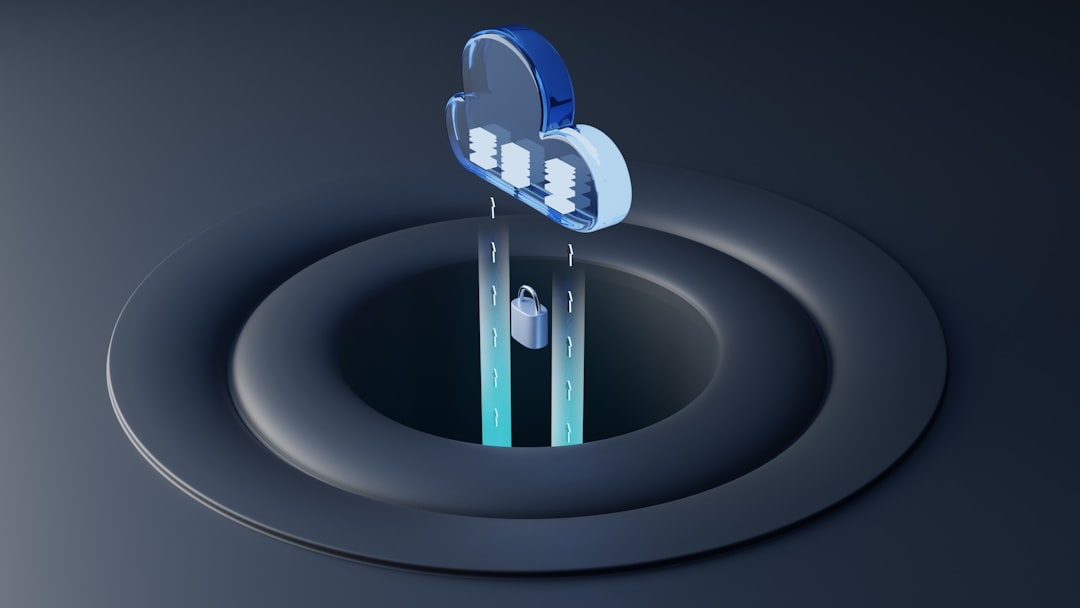
An identity theft protection platform is a service that helps guard your personal data. It checks many places for signs of trouble. It may monitor credit reports. It may scan the dark web. It may watch public records. It may track suspicious financial activity.
When it sees something strange, it sends you an alert. That alert may come by email, text, app notification, or phone call. The goal is simple. Catch the problem fast.
These platforms do not make you invisible. They do not wrap your data in magic bubble wrap. But they do help you spot danger quickly. And that matters a lot.
Why Real-Time Monitoring Matters
Old-school identity checks were slow. You might find out about fraud weeks later. Maybe even months later. By then, the thief may have opened accounts, spent money, and disappeared like a raccoon with a donut.
Real-time monitoring changes the game. It watches for risky activity as it happens. If something looks wrong, you hear about it fast.
For example, you may get an alert if:
- A new credit card is opened in your name.
- Your personal details appear on the dark web.
- Your credit score changes suddenly.
- Your address is changed with a financial institution.
- A loan application uses your Social Security number.
- Your bank login is part of a data breach.
Speed is powerful. If you know right away, you can freeze your credit. You can call your bank. You can change passwords. You can stop the thief before they buy a jet ski in your name.
What Are Real-Time Alerts?
Real-time alerts are quick messages. They tell you when something suspicious happens. They are like your phone saying, “Hey, this looks fishy.”
Good alerts are clear. They tell you what happened. They tell you why it matters. They tell you what to do next.
A helpful alert might say:
- What happened: Your email was found in a breach.
- Where it happened: A website database was leaked.
- Why it matters: Your password may be exposed.
- What to do: Change your password now.
That is useful. That is calm. That is not panic in a trench coat.
Key Features to Look For
Not all identity theft protection platforms are the same. Some are basic. Some are full security command centers. Here are the features that matter most.
1. Credit Monitoring
Credit monitoring watches your credit reports. It looks for new accounts, hard inquiries, and major changes. This is important because many identity thieves use stolen information to apply for credit.
Some services monitor one credit bureau. Others monitor all three major credit bureaus. Three-bureau monitoring is better because not every lender reports to the same bureau.
2. Dark Web Monitoring
The dark web sounds like a place where villain hamsters meet. It is actually a hidden part of the internet. Criminals may buy and sell stolen data there.
Dark web monitoring checks for your information in shady places. This can include email addresses, passwords, Social Security numbers, and credit card details.
If your data appears there, the platform alerts you. Then you can take action.
3. Bank and Credit Card Monitoring
Some platforms can connect to financial accounts. They watch for unusual charges or strange behavior. You may receive an alert for a large purchase, a new transfer, or activity in a new location.
This is helpful if you do not check your bank account every day. Most people do not. Life is busy. Snacks must be eaten.
4. Public Records Monitoring
Public records can show address changes, court records, or other official activity. If someone uses your name in a strange way, public records monitoring may catch it.
This feature can help spot fraud that does not always show up on credit reports.

5. Social Security Number Monitoring
Your Social Security number is one of the biggest keys to your identity. If a thief has it, they can do serious damage.
Platforms may scan databases, credit activity, and other sources to see if your number is being used in suspicious ways.
6. Identity Restoration Help
This is a big one. If identity theft happens, you may need help cleaning up the mess. Some platforms offer identity restoration specialists. These are trained people who guide you through recovery.
They may help you:
- Report fraud.
- Contact banks and lenders.
- Dispute fake accounts.
- Place fraud alerts.
- Freeze credit reports.
- Replace stolen documents.
This can save time. It can also save your sanity.
7. Identity Theft Insurance
Many platforms include insurance. This may help cover costs linked to identity theft. It may cover legal fees, lost wages, or document replacement costs.
Read the details. Insurance is useful, but it has limits. Do not assume it covers every possible problem.
8. Family Protection
Identity thieves do not only target adults. They may also target children. A child’s clean credit file can be very attractive to criminals.
Family plans may monitor children’s Social Security numbers. They may also protect elderly parents or spouses. This is a smart option for households.
How These Platforms Work
The process is usually simple. You sign up. You enter personal details. The platform begins monitoring. Then you receive alerts when something unusual appears.
Here is the basic flow:
- You create an account.
- You add your personal information.
- The platform scans many data sources.
- It looks for matches and suspicious activity.
- It sends alerts if it finds danger signs.
- You follow steps to fix or block the issue.
Many platforms also have dashboards. A dashboard shows your alerts, credit score, monitored data, and safety tips. It is like a control panel for your identity.
What Happens When You Get an Alert?
First, breathe. An alert does not always mean you are doomed. Sometimes it is just a notice. Sometimes it is a false alarm. Sometimes it is serious.
Check the alert details. Look at the date, company, account, or data involved. If you recognize the activity, you may be fine. If you do not, act quickly.
Here are smart steps:
- Change exposed passwords. Use strong, unique passwords.
- Turn on two-factor authentication. This adds another lock.
- Contact your bank. Report strange charges fast.
- Freeze your credit. This can stop new accounts.
- Review your credit reports. Look for accounts you did not open.
- Report identity theft. Use official government resources if needed.
Do not ignore alerts. Ignoring an identity alert is like ignoring smoke because you are watching a cooking show.
Are These Platforms Worth It?
For many people, yes. They are especially useful if you have been in a data breach. And let’s be honest. Most people have. Data breaches are now very common.
They can also be worth it if you:
- Use online banking often.
- Have many credit cards.
- Run a small business.
- Have children.
- Have older family members to protect.
- Travel often.
- Want peace of mind.
The main benefit is speed. You learn about risk early. Then you can respond before things get worse.
But remember this. No platform can prevent every type of identity theft. These services monitor and alert. They help you recover. They do not replace good habits.

Good Habits Still Matter
An identity theft platform is great. But you still need smart daily habits. Think of it like wearing a seat belt. The car may have airbags, cameras, and alarms. You still buckle up.
Do these simple things:
- Use strong passwords. Make each one different.
- Use a password manager. Your brain deserves a break.
- Turn on two-factor authentication. It is worth the extra tap.
- Do not click weird links. Curiosity can be expensive.
- Check bank statements. Look for tiny strange charges.
- Shred sensitive papers. Trash thieves exist.
- Freeze your credit when not applying for loans.
- Be careful on public Wi-Fi. Use a trusted VPN if needed.
Small habits make a big wall. Thieves usually look for easy targets. Do not be the easy cookie jar.
How to Choose the Right Platform
Picking a platform can feel confusing. There are many choices. They all promise safety. Some have more bells than a holiday parade.
Start with your needs. Do you only want credit alerts? Do you need family protection? Do you want help if fraud happens? Do you want bank monitoring too?
Look for these things:
- Real-time or near real-time alerts
- Three-bureau credit monitoring
- Dark web scans
- Clear mobile alerts
- Identity restoration support
- Easy dashboard
- Transparent pricing
- Good customer support
Also read reviews. Check cancellation rules. Look for hidden fees. A good platform should make you feel safer, not trapped.
Common Myths About Identity Protection
Let’s bust a few myths. Put on your tiny detective hat.
Myth 1: “I am not rich, so nobody wants my identity.”
Wrong. Criminals do not only target rich people. They target useful information. Your identity can still open accounts, create fake documents, or pass security checks.
Myth 2: “My bank will catch everything.”
Your bank may catch many issues. But it only sees activity related to that bank. Identity theft can happen in many places. Credit accounts, tax filings, medical records, and phone accounts can all be targets.
Myth 3: “If I have monitoring, I do not need to worry.”
Monitoring helps. It does not make you invincible. You still need safe habits and quick action.
Final Thoughts
Identity theft sounds scary. But you are not helpless. Identity theft protection platforms with real-time monitoring and alerts give you a faster way to spot trouble. They watch your data. They warn you about risks. They help you respond.
Think of them as a digital guard dog. A very polite one. It does not chew shoes. It just barks when your personal information is in danger.
The best plan is simple. Use a strong protection platform. Build smart online habits. Keep an eye on alerts. Act fast when something looks weird. Your identity is valuable. Treat it like treasure in a dragon cave. Guard it well.