AI video creation has moved from experimental novelty to a practical production layer for creators, marketers, educators, filmmakers, and social media teams. By 2026, tools like Runway have helped define what modern generative video workflows can look like: text to video, image to video, video editing, background removal, style transfer, motion control, and rapid concept testing. Still, creators often need alternatives that offer different strengths, pricing models, collaboration features, or visual styles.
TLDR: The best AI video tools like Runway in 2026 include Pika, Luma AI Dream Machine, Kling AI, Adobe Firefly Video, Kaiber, Descript, and HeyGen. Each platform serves a different type of creator, from cinematic storytellers to social video marketers and avatar based educators. Runway remains a strong all in one option, but these alternatives give creators more flexibility, especially when specific workflows require animation, realistic motion, editing automation, or presenter videos.
What Makes A Good Runway Alternative In 2026?
A strong AI video tool in 2026 is no longer judged only by whether it can generate a short clip from a prompt. Creators now expect consistent characters, controlled camera movement, improved physics, natural lighting, editable timelines, commercial usage options, and export quality suitable for multiple platforms. The best tools also support iterative workflows, allowing creators to refine a scene rather than regenerate everything from scratch.
For creators comparing alternatives to Runway, the most important factors include video quality, prompt control, editing tools, speed, cost, licensing clarity, and integration with existing creative software. Some platforms are better for cinematic shots, while others are built for talking head videos, music visuals, short form content, or polished brand assets.
1. Pika
Pika is one of the most popular AI video tools for creators who want fast, stylized, and social ready videos. It is especially useful for short form creators, meme makers, music artists, and brands that want visually striking clips without building a full production pipeline.
Its greatest strength is accessibility. Pika usually feels approachable to creators who do not have deep video editing experience. With text prompts, image inputs, animation controls, and effects based editing, creators can quickly turn concepts into moving visuals. In 2026, Pika is particularly valuable for creators who need to produce many variations for TikTok, Instagram Reels, YouTube Shorts, or paid social campaigns.
- Best for: Short form videos, stylized animations, social content, visual experiments.
- Key strengths: Fast generation, easy interface, fun effects, strong creative flexibility.
- Consideration: It may not always offer the same level of cinematic control required for complex film sequences.
2. Luma AI Dream Machine
Luma AI Dream Machine has become a major choice for creators looking for more cinematic and realistic AI generated video. It is known for producing fluid motion, attractive lighting, and visually coherent scenes that feel closer to traditional camera footage than many simple text to video tools.
For filmmakers, concept artists, and advertising creators, Dream Machine is useful for rapid ideation. A director can explore a scene before hiring a crew, while a brand team can test product campaign concepts without building a full set. Its image to video workflow is also helpful because creators can start with a still frame, illustration, product image, or concept art and then generate motion from it.
- Best for: Cinematic concepts, realistic motion, scene exploration, visual storytelling.
- Key strengths: Natural looking movement, strong atmosphere, useful image to video features.
- Consideration: Like most generative video platforms, precise continuity between multiple shots can still require careful planning.
3. Kling AI
Kling AI is another strong Runway alternative for creators who prioritize realism and detailed motion. It has attracted attention for its ability to create visually rich scenes with impressive subject movement, making it useful for narrative clips, product showcases, fantasy visuals, and cinematic social content.
In 2026, Kling AI is often discussed among creators who want high impact visuals from text or image prompts. It can be especially compelling for scenes involving people, environments, action, and camera motion. While access and feature availability may vary by region or plan, its output quality makes it a serious option for creators who want to push beyond basic AI video generation.

- Best for: Realistic AI clips, cinematic action, high detail environments, dramatic visuals.
- Key strengths: Strong motion quality, detailed scenes, impressive realism.
- Consideration: Creators may need to compare availability, export options, and commercial terms before building a workflow around it.
4. Adobe Firefly Video
Adobe Firefly Video is a natural fit for creators already working inside the Adobe ecosystem. While Runway is popular with independent creators and experimental teams, Adobe’s advantage is integration with professional creative workflows. For editors using Premiere Pro, After Effects, Photoshop, Illustrator, or Express, Firefly based video features can reduce friction between generation and final production.
Adobe’s approach also matters to brands and agencies because of its emphasis on commercially safer generative AI. In 2026, many professional teams remain cautious about licensing, training data, and usage rights. Firefly Video is likely to appeal to creators who need AI assistance but also require a more traditional production environment.
- Best for: Professional editors, agencies, enterprise content teams, Adobe users.
- Key strengths: Workflow integration, brand friendly positioning, editing compatibility.
- Consideration: It may feel less playful than some creator first tools, especially for rapid experimentation.
5. Kaiber
Kaiber is a strong choice for creators focused on music videos, animated visuals, and artistic style transformation. It gained early popularity among musicians and visual artists because it can transform still images, prompts, and audio driven ideas into motion rich visuals.
By 2026, Kaiber remains especially relevant for creators who care less about strict realism and more about mood, rhythm, and style. A musician can use it for looping visuals, lyric video backgrounds, album teasers, or full experimental music videos. Visual artists can animate their work without learning complex 3D or compositing software.
- Best for: Music videos, animated art, visual loops, experimental storytelling.
- Key strengths: Strong style options, music friendly workflows, artistic motion.
- Consideration: It is not always the best choice for realistic product demos or corporate explainer videos.
6. Descript
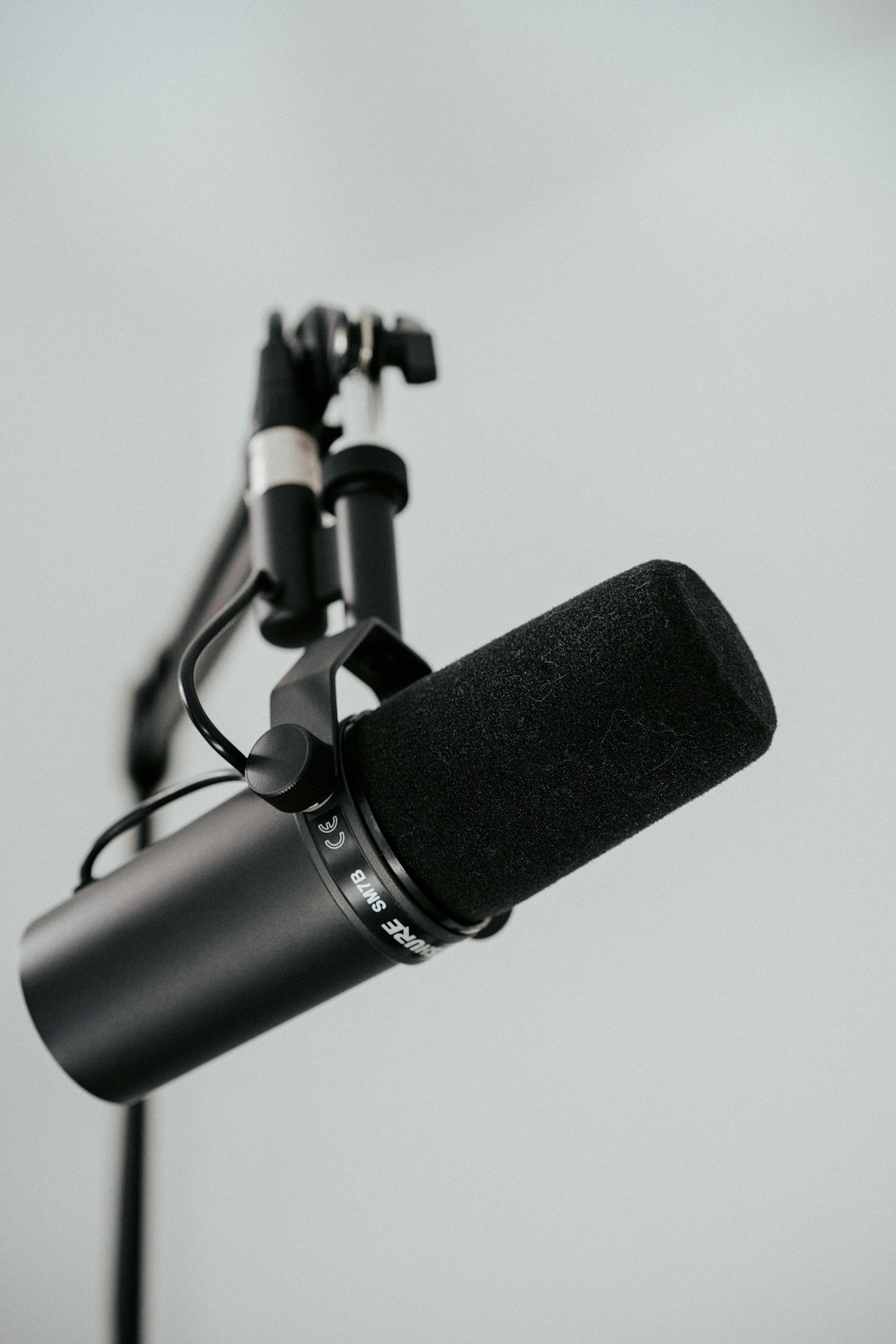
Descript is different from pure AI video generation tools because it focuses heavily on editing, transcription, screen recording, podcast video, and creator workflow automation. However, it is one of the best Runway alternatives for creators who need to produce polished videos from recorded material rather than generate every scene from scratch.
Descript allows creators to edit video by editing text, remove filler words, clean audio, create captions, and organize interviews or tutorials quickly. Its AI features can help with voice cleanup, eye contact correction, clips for social media, and script based editing. For educators, podcasters, YouTubers, and business creators, these features can save far more time than a purely generative video tool.
- Best for: YouTube videos, podcasts, tutorials, interviews, online courses.
- Key strengths: Text based editing, transcription, audio tools, creator friendly workflow.
- Consideration: It is not primarily designed for cinematic text to video generation.
7. HeyGen
HeyGen is one of the best tools for creators who need AI avatar videos, multilingual presenter content, training videos, sales messages, or localized marketing. Instead of generating cinematic scenes, HeyGen focuses on human like presenters, voice generation, translation, and avatar based communication.
For businesses, educators, coaches, and course creators, this can be more practical than an open ended video generation platform. A creator can produce a polished talking head video without filming, hiring a presenter, or recording new voiceovers for every language. In 2026, avatar based video is especially valuable for global content operations, internal training, customer onboarding, and personalized outreach.
- Best for: Avatar videos, training content, localization, sales videos, explainer content.
- Key strengths: AI presenters, multilingual support, fast business video creation.
- Consideration: It is less suitable for creators seeking cinematic worlds, action scenes, or abstract animation.
How Creators Should Choose The Right Tool
The best AI video tool depends on the creator’s main output. A short form creator may get more value from Pika than from a professional editing suite. A filmmaker may prefer Luma AI Dream Machine or Kling AI for rich cinematic previews. A podcast producer may save the most time with Descript, while an educator or agency may find HeyGen more practical for scalable presenter videos.
Creators should also consider whether the tool supports their full workflow. A platform that creates beautiful clips may still require another tool for editing, captions, sound design, color correction, or publishing. In many cases, the strongest workflow in 2026 combines multiple tools: one for generation, one for editing, one for voice, and one for distribution.
Final Thoughts
Runway remains one of the most influential AI video platforms, but it is no longer the only serious option for creators. The landscape in 2026 is more specialized, giving creators a wider range of tools for different creative goals. Pika is excellent for fast social visuals, Luma AI Dream Machine and Kling AI stand out for cinematic generation, Adobe Firefly Video fits professional workflows, Kaiber supports artistic motion, Descript simplifies editing, and HeyGen makes avatar based communication scalable.
The smartest creators are not simply looking for a single replacement for Runway. Instead, they are building flexible AI video stacks that match their audience, budget, brand style, and production schedule.
FAQ
What is the best AI video tool like Runway in 2026?
The best option depends on the use case. Luma AI Dream Machine and Kling AI are strong for cinematic video, Pika is excellent for short form creative content, and Descript is ideal for editing recorded videos.
Which Runway alternative is best for social media creators?
Pika is one of the best choices for social media creators because it supports fast visual experimentation, stylized clips, and short form formats that suit platforms like TikTok, Instagram Reels, and YouTube Shorts.
Which AI video tool is best for professional editors?
Adobe Firefly Video is a strong choice for professional editors, especially those already using Premiere Pro, After Effects, or other Adobe applications.
Which tool is best for AI avatar videos?
HeyGen is one of the best tools for AI avatar videos, multilingual presentations, training materials, and business communication.
Can creators use more than one AI video tool?
Yes. Many creators use multiple tools in the same workflow. For example, a creator might generate visual scenes with Luma AI, edit the final video in Descript or Premiere Pro, and create localized presenter segments with HeyGen.
Are AI video tools suitable for commercial projects?
Many AI video tools offer commercial usage, but creators should always review each platform’s licensing terms, usage rights, and content policies before using generated videos in paid campaigns or client work.