
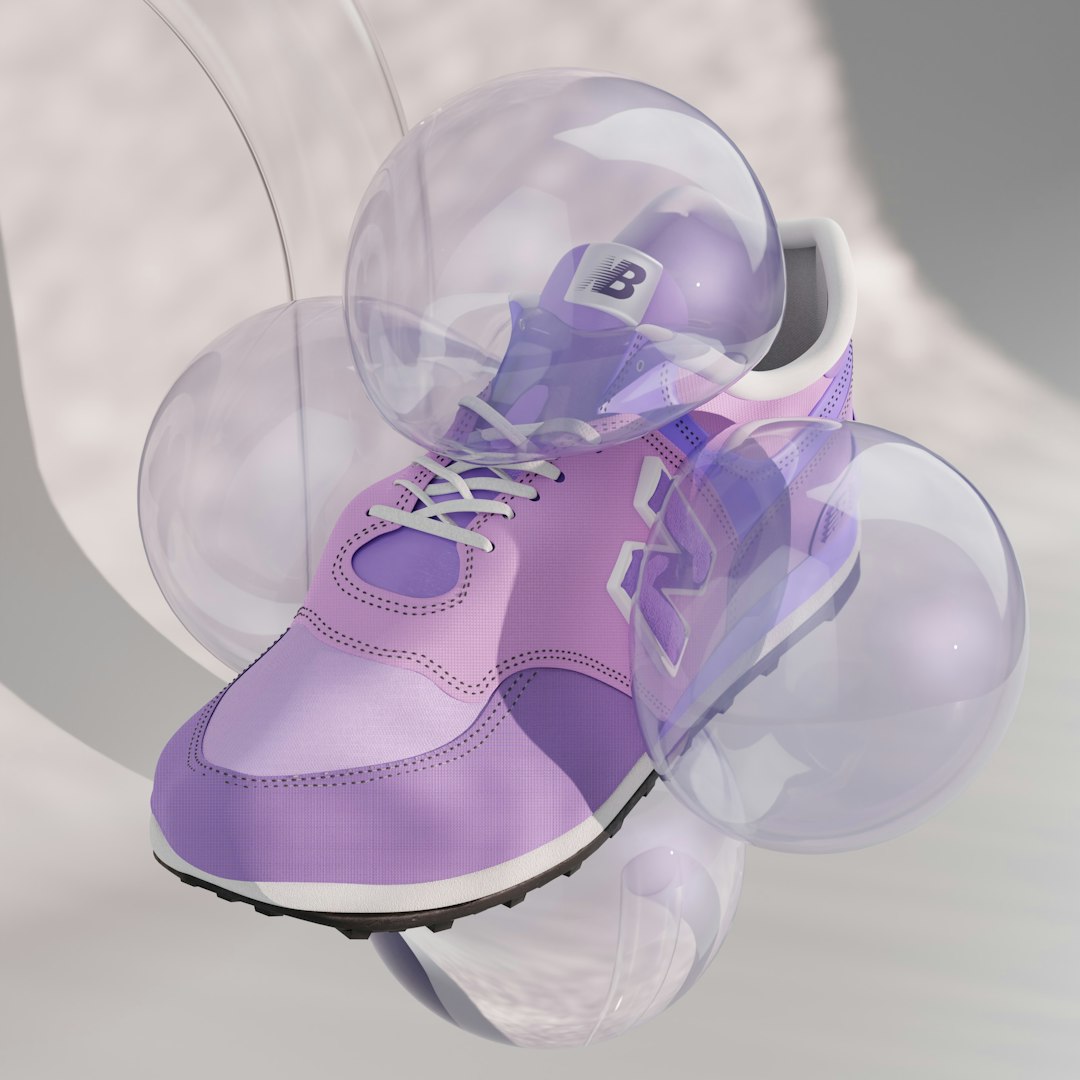
The fusion of artificial intelligence and fashion has given rise to a new wave of wearable innovation—smart footwear. What was once a sci-fi fantasy is quickly becoming reality, as AI-powered shoes are designed to improve comfort, enhance performance, and promote wellness. This growing intersection of technology and everyday wear offers a glimpse into how humans may experience mobility and interaction differently in the coming years.
TLDR: AI-powered smart footwear is revolutionizing the way people walk, run, and navigate the world. These intelligent shoes offer benefits ranging from fitness tracking and personalized comfort to fall detection and energy return optimization. Whether in athletic performance, elderly care, or fashion, AI shoes show promise in applications far beyond basic wearability. With ongoing advancements, smart shoes may soon become as standard as smartphones.
What Are AI Shoes?
Smart footwear, commonly referred to as AI shoes, utilizes embedded sensors, machine learning algorithms, and connectivity features to offer real-time data analysis and automation. Unlike traditional shoes, smart footwear understands user behavior, provides feedback, and adapts according to user needs.
Typical features include:
- Pressure sensors that detect gait and foot pressure levels
- Accelerometers and gyroscopes for tracking motion and balance
- Bluetooth or Wi-Fi chips for connectivity with phones and other devices
- Microcontrollers to run algorithms locally
When all these components work in harmony, AI shoes can tailor a walking or running experience like never before. From customized cushioning to alerting emergency services if a fall is detected, the possibilities are wide-ranging.
How It Works
AI shoes rely on a continuous feedback loop. As the user moves, embedded sensors collect data such as step count, pressure distribution, terrain adaptation, and fatigue levels. These data points are analyzed either on the shoe itself or sent via an app to the cloud where machine learning models interpret them.
Based on these insights, the shoes can automatically adjust their firmness, suggest corrective actions, or send alerts. Some models even charge wirelessly and come equipped with voice assistants integrated into the system.
Key Applications of AI-Powered Footwear
AI shoes aren’t just for showing off; they serve real and impactful purposes across various industries.
1. Fitness and Sports
Athletes benefit immensely from AI footwear through:
- Real-time posture and form correction
- Fatigue and injury prediction alerts
- Optimized timing and motion analysis
Runners can receive precise analytics on heel strikes, stride length, and pace, enabling better training outcomes and lower injury risks.
2. Health Monitoring
AI shoes have surfaced as revolutionary tools in healthcare by monitoring:
- Gait abnormalities for early signs of Parkinson’s and multiple sclerosis
- Balance and fall risks in the elderly
- Diabetic foot ulcers using thermal sensors
In senior care, smart shoes can send automatic alerts to caregivers or family members in case of a dangerous fall or unusual movement patterns.
3. Navigation Assistance
Incorporating GPS and haptic feedback, AI shoes assist visually impaired individuals by vibrating to indicate directions. Integration with navigational systems enables hands-free movement across cities.
4. Fashion Tech and Smart Living
Tech-forward fashion brands are beginning to explore smart footwear as wearable expressions of identity. Designers use LED indicators, customizable textures, and interaction with smart home devices for a lifestyle-oriented experience.
Top AI Shoe Brands and Models
Several pioneers have emerged in the race to develop market-ready AI shoes:
- Nike Adapt BB 2.0: Comes with auto-lacing features and a smartphone app for control
- Under Armour HOVR Phantom: Fitness-focused shoes that provide real-time feedback for runners
- E-vone Smart Shoes: Designed for elderly users with built-in fall detection and GSM connectivity
- Digitsole Smartshoe: Features auto-tightening, heating, and walking feedback analytics
These brands exemplify how the fusion of athletic and consumer technology is powering daily footwear enhancements.
Challenges and Limitations
Despite clear advantages, smart footwear does face several challenges:
- Battery life: Most smart shoes require frequent charging
- Cost: Smart features significantly raise the price point
- Durability: Electronics embedded in shoes may face wear and water damage
- Data privacy: Like any connected device, smart shoes pose risks in terms of personal data leakage
Manufacturers are continuously working to address these concerns by improving battery capacity, waterproofing electronics, and implementing stricter user data protection policies.
The Future Potential of Smart Footwear
Looking ahead, AI-powered shoes could redefine how society perceives mobility and lifestyle wearables. As technologies like 5G, edge computing, and artificial general intelligence mature, expect shoes to become not just adaptive, but predictive—offering wellness insights before conditions arise.
The integration of augmented reality (AR) and AI could even lead to smart shoes that interact with our environment through virtual overlays or gaming scenarios. In the workplace, they could optimize workers’ ergonomics or alert supervisors about potential hazards. In education, they may help track student activity or engagement levels.

Conclusion
AI-powered shoes are not just about innovation for novelty’s sake—they are practical, promising, and increasingly essential components of modern wear. From medical applications to athletic performance and environmental interaction, smart footwear is taking significant steps toward a more intelligent and connected world.
FAQ: Frequently Asked Questions about AI Shoes
- Q: Are AI shoes safe to wear daily?
A: Yes, most AI shoes are designed for everyday use and go through rigorous safety standards. However, users should always follow manufacturer guidelines. - Q: How do AI shoes charge?
A: Some models feature wireless charging, while others may come with USB ports. Charging methods vary depending on brand and model. - Q: Can AI shoes track health conditions?
A: Yes, advanced models can track gait, balance, and even detect irregularities associated with various health conditions. - Q: Are smart shoes waterproof?
A: While some are water-resistant, full waterproofing is not always guaranteed. It’s essential to check product specifications. - Q: Do AI shoes work without a smartphone?
A: Many require a smartphone for full functionality, but some can operate in limited mode independently.