

Have you ever watched a movie where a scientist mixes colorful chemicals, causing a huge explosion or glowing gas? It looks cool, right? But how much of it is real science? Hollywood loves chemistry, but it often bends the rules for drama. Let’s break down how accurate (or not) chemistry in the movies really is!
TL;DR
Movies are fun, but they sometimes get chemistry all wrong. Explosions, glowing liquids, and instant reactions are often exaggerated. Some films do it better than others, though! We’ll explore where Hollywood hits the mark—and where it totally misses.
Chemistry on the Big Screen
In films, chemistry often equals excitement. Characters throw chemicals together, color changes happen instantly, and, of course, there’s at least one explosion. While these scenes look amazing, the real science is a little different.
Common Chemistry Tropes in Movies
Here are some chemistry moments you’ve probably seen in films:
- Instant reactions – Chemical changes happen in seconds… way faster than in real life.
- Magical color changes – Bright green, glowing blue, or toxic purple… Pure eye candy, not real science.
- Unstoppable explosions – A tiny vial causes a nuclear-level boom? Highly unlikely!
- Acid that melts anything – Seriously, not even the strongest acids do that in minutes.
- “Science saves the day!” formulas – A chemist combines five random things and cures a deadly virus.
These are fun. But now let’s talk facts.
How Chemistry Really Works
Chemistry in real life is a bit more… well, boring. At least compared to movies. Here’s what it actually looks like:
- Reactions take careful measurements and often go slow.
- Explosions require precise conditions, not just mixing stuff together.
- Lab safety is important – no one waves test tubes around like magic wands!
- Color changes are possible, but they’re usually subtle – no glowing green goop.
Basically, real chemistry is more about patience and precision than chaos.
Famous Movie Moments… Fact or Fiction?
Let’s analyze a few famous films and how they handle chemistry:
Breaking Bad (Technically a TV show, but a good example!)
Walter White is a high school chemistry teacher who turns to making illegal substances. Believe it or not, many of the chemical principles discussed are surprisingly accurate. The show even hired a real chemistry consultant.
Still, don’t try anything at home. Some details were left vague to avoid giving people any dangerous ideas.
The Martian (2015)
This movie has Mark Watney, a stranded astronaut, using chemistry to survive on Mars. He creates water from hydrogen, and grows potatoes using Martian soil. Crazy idea? Yes. But science-accurate? Mostly!
NASA loved the film’s attention to detail. And yes, making water from rocket fuel is possible, but risky!
Flubber (1997)
Robin Williams creates a strange green slime that defies gravity. Fun to watch? Absolutely. Realistic? Not even close.
While non-Newtonian fluids are real (think oobleck), nothing like Flubber exists. Yet.
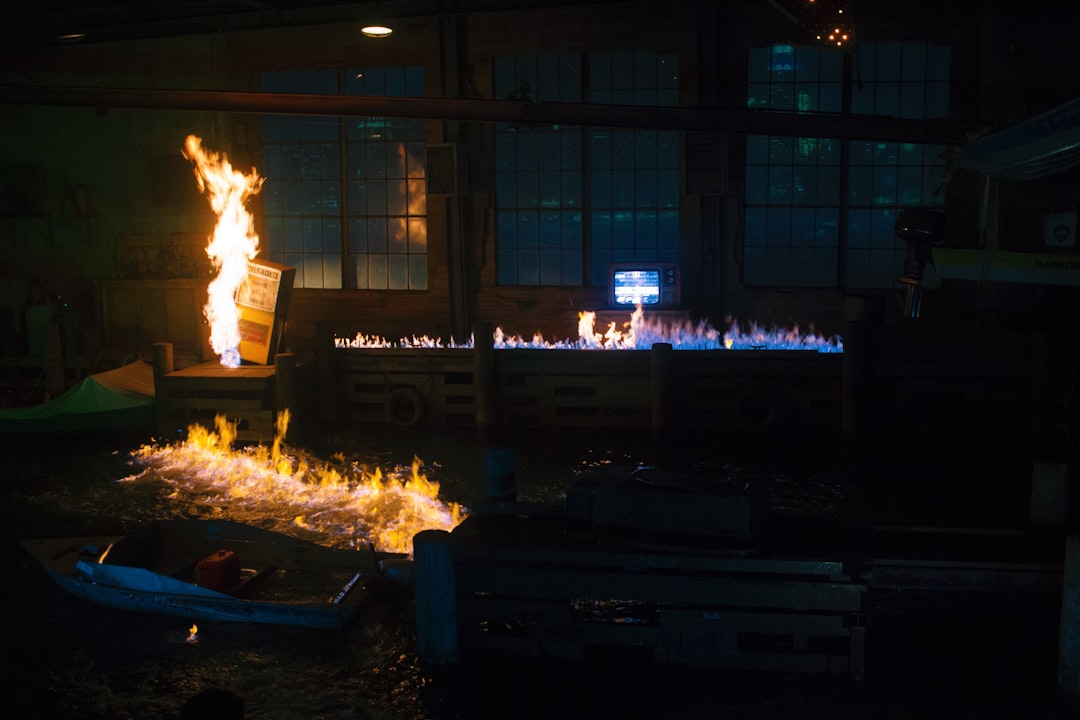
Some Science Gets Twisted
Here are a few movie “chemistry” moments that need serious myth-busting:
1. Acid That Melts Through Floors
Seen in: Alien (1979)
In the film, alien blood is a powerful acid that melts through metal… and floors… and decks below. Real-world superacids do exist, but they don’t work that fast or go through multiple layers instantly.
2. Big Booms From Small Vials
Seen in: Mission: Impossible III (2006)
A small vial explodes and destroys tons of property. Tiny chemicals don’t randomly explode like that in real life. Explosions require very specific conditions and lots of energy.
3. Instant Antidotes
Seen in: Spider-Man series
Someone gets poisoned? No problem! Throw together an antidote in minutes, inject it, and boom—cured. In real life, creating antidotes can take years of research and testing.
Movies That Nailed the Science
Not all hope is lost. Some movies get it right… or at least more right than others. Let’s give credit where it’s due:
- Contagion (2011) – While not just chemistry, it realistically shows how scientists respond to a virus outbreak.
- The Martian – We said it before, but it’s worth listing again!
- Breaking Bad – Yes, it’s fiction, but the chemistry parts were mostly solid.

Why Does Hollywood Get It So Wrong?
Simple: entertainment over education.
Directors want action. They want things to go “boom!” right now. Real chemistry is slow and careful—not exactly a popcorn thrill ride.
Also, most viewers aren’t scientists, so creators take creative license. As long as it looks cool, most people don’t question it.
What Can We Learn from Movie Chemistry?
Even if it’s not accurate, movie chemistry can:
- Inspire curiosity – Kids (and adults) get excited about science.
- Spark imagination – What if Flubber was real?
- Start conversations – “Could that actually happen?” is a great question.
If a movie makes you pause and wonder, it’s already a win for science education, even if the science itself wasn’t perfect.
How to Spot Good vs. Bad Chemistry in Film
Here are a few tips next time you’re watching a “science-heavy” movie:
- Check reaction times – Real chemical reactions don’t happen in seconds.
- Ignore the colors – Most chemical reactions aren’t as neon as you think.
- Look for real equipment – Does the lab look real, or full of mystery buttons and blinking lights?
- Do a little research – Google the scene afterward. It can be fun!
Final Word
Movie chemistry might not be accurate, but it sure is exciting. Sci-fi and action flicks may not follow the rules of science, but who cares? They’re meant to entertain. Still, knowing what’s possible—and what’s pure Hollywood—makes the experience way cooler.
So next time a hero saves the world with science, raise your popcorn and give a little cheer for chemistry—even the fake kind!