
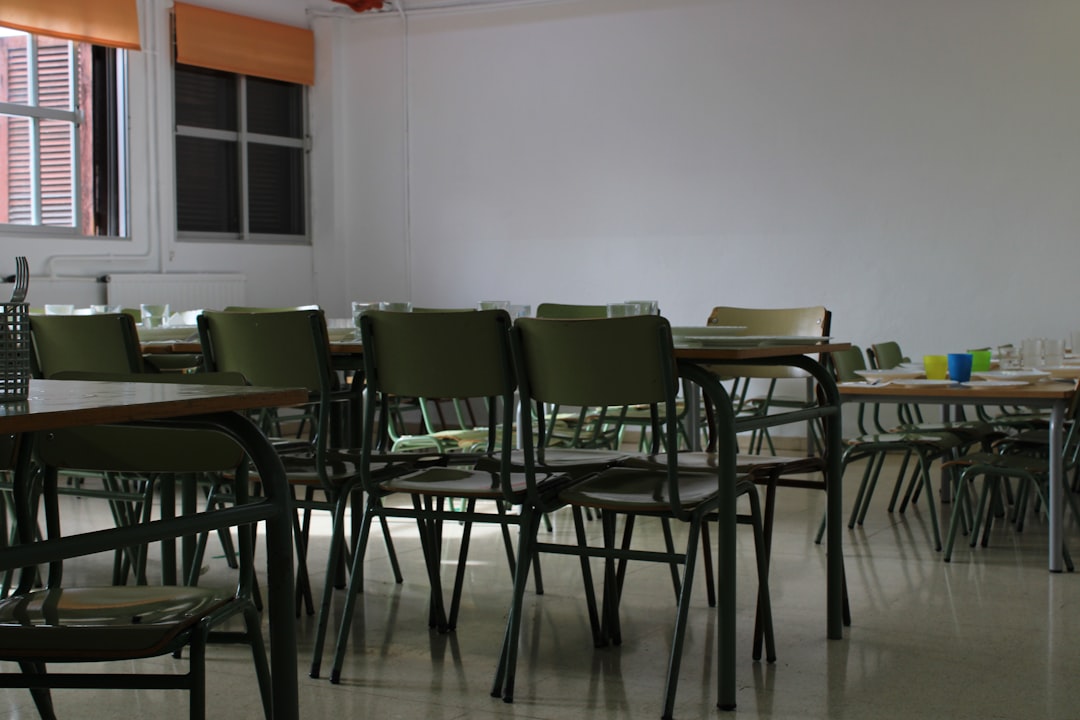
Imagine walking into a classroom that doesn’t just contain students and a chalkboard, but rather a dynamic, interactive environment of modular furniture, immersive digital interfaces, and an AI that remembers your learning style. Welcome to Classroom 30x — a bold leap into the future of education where space, technology, and pedagogy converge to enhance learning in powerful ways.
TLDR: Classroom 30x is a concept that reimagines traditional education spaces by integrating smart design elements, cutting-edge technology, and flexible layouts to create a personalized and engaging learning experience. This approach moves beyond digital chalkboards and Wi-Fi, focusing on spatial design, adaptive tools, and AI-driven support to empower both teachers and students. From movable furniture to VR-enabled experiences, every component is fine-tuned to foster collaboration and critical thinking. The future of education may not be just online — it might be in a better designed room.
Why Traditional Classrooms Need a Makeover
The standard classroom as we know it — rows of desks facing a blackboard — has remained unchanged for nearly a century. However, this configuration no longer matches the needs of 21st-century learners. The modern student thrives on interaction, collaboration, and personalized learning. Consequently, the static structure of traditional classrooms can stifle creativity, limit engagement, and overlook individual learning needs.
Research shows that physical learning environments significantly influence student performance. Poor lighting, limited mobility, and inadequate access to digital tools are barriers to optimal learning. Thus, a smart classroom isn’t a luxury—it’s a necessity.
What Is Classroom 30x?
Classroom 30x isn’t just about adding a few digital whiteboards — it’s a complete ecosystem redesign. This next-generation learning space is guided by three primary pillars:
- Smart Spatial Design: Adaptive, modular spaces that encourage movement and versatility.
- Advanced Technological Integration: AI tools, VR environments, and real-time analytics that inform instruction.
- Student-Centric Learning: Personalized experiences that adapt to each student’s pace, style, and interests.
This integrated approach transforms the classroom from a place of passive knowledge absorption into a hub of interaction, co-creation, and critical inquiry.
Smart Design: It’s More Than Aesthetics
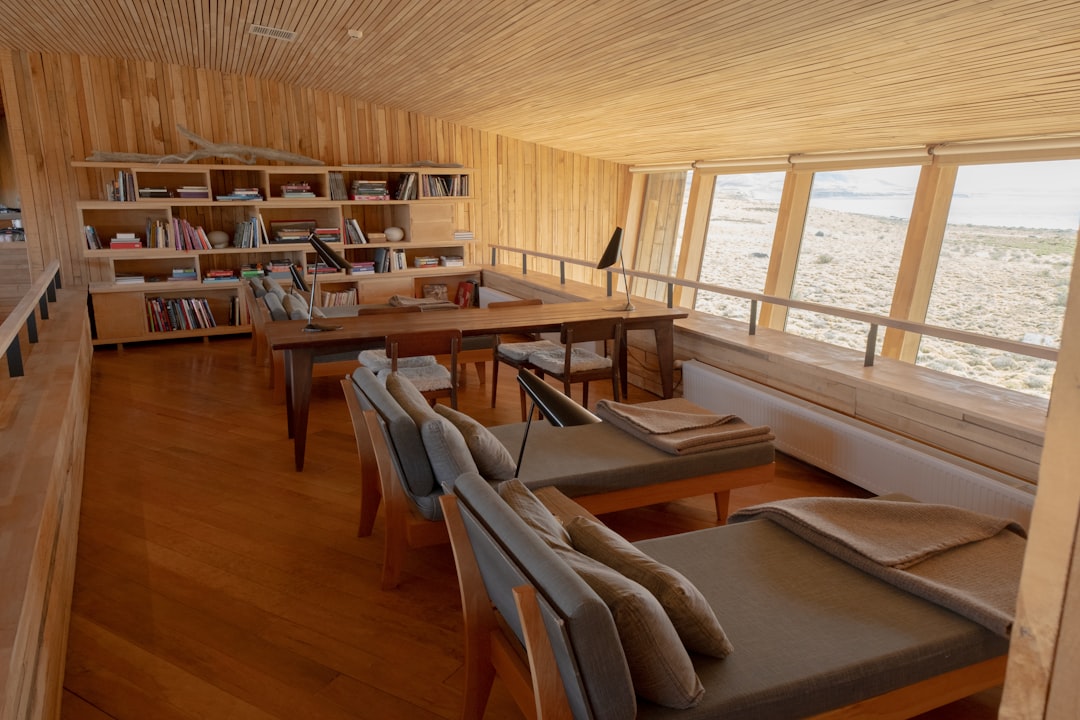
One of the cornerstones of Classroom 30x is smart design. But smart doesn’t just mean sleek. It involves functional, ergonomic, and flexible designs that actively contribute to learning. Think of rooms where furniture can be rearranged at will — enabling group discussions, independent study, or project-based collaboration — without the hassle of moving heavy desks.
Lighting and acoustics also play a critical role. Studies show that natural lighting boosts student concentration and mood. Acoustic panels that minimize disruptive noise can greatly enhance focus. Additionally, color theory guides the use of shades that inspire calm, creativity, or critical thinking depending on their purpose in the room.
The Role of Technology in Classroom 30x
While good design sets the stage, technology animates it. Classroom 30x seamlessly integrates advanced edtech tools not just to digitize traditional learning but to tailor it. Here are some of the innovations making waves in this new model:
- AI-Powered Learning Assistants: Tools like adaptive learning platforms that track students’ progress and adjust content accordingly.
- Immersive Environments: VR and AR provide experiential learning—visualizing anatomy in 3D or walking through ancient Roman cities.
- Interactive Surfaces: Smartboards, gesture-controlled screens, and even table-top touchscreens invite tactile and collaborative exploration.
- Learning Analytics: Real-time dashboards offer insights for teachers to intervene early and guide students more effectively.
All of this reduces administrative burden on educators while amplifying their ability to engage, challenge, and support their students meaningfully.
Design for Collaboration and Autonomy
One of the critical design philosophies behind Classroom 30x is that students should not be passive recipients of information. The classroom should allow for both collaborative and independent learning modes, dynamically configured based on the lesson plan.
For instance, a literature class might begin in a collaborative ‘story circle’ arrangement to discuss character development, then split into independent pods for writing assignments, and finally regroup for presentations — all within the same space, and with minimal friction. Whiteboard-painted walls, movable privacy dividers, and writable desks make this possible.
Image not found in postmetaInclusivity by Design
Classroom 30x also considers the diverse needs of learners. Ergonomic furniture adjusts for students with physical disabilities. Visual and audio aids support those with sensory impairments. Quiet zones cater to students who need more focused environments, particularly those with ADHD or anxiety.
Moreover, multilingual interfaces and AI-driven translation tools make the content accessible to non-native speakers, breaking down learning barriers and fostering global inclusivity.
Teacher Empowerment Through Design
Far from replacing teachers, Classroom 30x empowers them. Smart tools automate grading, monitor engagement levels, and suggest supplemental material in real-time. The dynamic learning space allows educators to adopt multiple roles—guide, facilitator, coach—depending on the context.
Professional development is also built-in. Teachers can use AI feedback to reflect on their teaching styles, explore what worked well, and modify future sessions accordingly. Built-in recording systems even allow for lesson reviews and asynchronous learning modules.
Challenges and Considerations
Of course, this shift isn’t without challenges. Implementing Classroom 30x requires significant investment in infrastructure, educator training, and software maintenance. There are also questions of data privacy, equity of access, and the risk of over-reliance on technology.
Addressing these means involving stakeholders early in the planning process: including not only architects and tech experts, but also students, teachers, and parents. Pilot programs have shown that starting small — perhaps with a single remodeled classroom or digital tool — often lays the groundwork for broader transformation.
Steps Toward Your Own Classroom 30x
If a full overhaul isn’t possible right now, there are still small steps schools can take today:
- Start with furniture: Invest in rolling chairs, convertible tables, or writable surfaces.
- Incorporate simple edtech tools: Try using AI grading assistants or digital exit tickets.
- Create flexible zones: Designate spaces for quiet work, collaboration, and hands-on activities within the same room.
- Seek student feedback: Let students co-design aspects of the learning space—they often know what works best.
The Future Is Flexible, Collaborative, and Curious
Classroom 30x is not just an upgrade — it’s an evolution. By marrying spatial intelligence with technological innovation, educators can create spaces that not only deliver content but cultivate curiosity, collaboration, and personal growth.
In this new era of learning, classrooms will no longer feel like containers of instruction but rather incubators of ideas. The learning space will adapt as quickly as the learners themselves, becoming not just places where we learn, but places that learn with us.
Whether you’re an educator, policymaker, parent or student, it’s time to ask: What could learning become if our spaces truly supported how we learn best?