
Every technology team, no matter how experienced or well-funded, will eventually face a crisis. Whether it’s a production outage, security breach, failed deployment, or public relations backlash, high-pressure incidents can destabilize even the most disciplined organizations. The difference between teams that recover quickly and those that spiral often lies not in technical ability, but in preparedness, structure, and communication.
TLDR: Tech crises are inevitable, but chaos is optional. Successful teams prepare in advance with clear roles, documentation, and communication channels. During a crisis, they prioritize transparency, structured decision-making, and rapid iteration. Afterward, they conduct blameless postmortems and improve systems to prevent recurrence.
Effective crisis management for tech teams requires more than reactive troubleshooting. It demands strategic planning, emotional intelligence, and operational discipline. Below are proven techniques that modern technology teams use to minimize damage, restore trust, and emerge stronger from high-stakes situations.
1. Establish a Clear Incident Response Framework
A well-defined framework removes uncertainty when emotions run high. Instead of debating “what to do next,” teams follow documented procedures.

Key elements of a strong incident response framework include:
- Defined severity levels (e.g., SEV-1, SEV-2) with clear business impact descriptions
- Preassigned roles such as Incident Commander, Communications Lead, and Technical Lead
- Escalation paths outlining who must be notified and when
- Centralized documentation for logging timelines, decisions, and updates
The Incident Commander model is particularly effective. One individual directs operations, reduces noise, and makes final calls. This avoids decision paralysis, which is common when multiple stakeholders attempt to lead simultaneously.
Preparation reduces panic. Teams that rehearse their framework through simulations respond faster and with greater confidence.
2. Prioritize Communication Over Perfection
One of the most damaging mistakes during a crisis is silence. Stakeholders — from executives to customers — need updates, even when there are no definitive answers yet.
Effective crisis communication follows these principles:
- Acknowledge the issue quickly
- Provide consistent status updates
- Avoid speculation
- Communicate impact clearly
- Outline next steps
Internally, communication should happen in a single designated channel to prevent fragmentation. Externally, updates should follow a predictable cadence, such as every 30 or 60 minutes depending on severity.
Transparency builds credibility. Even when the news is negative, stakeholders tend to respond more positively to honest and structured communication.
3. Contain First, Optimize Later
During a crisis, teams often feel pressure to identify root causes immediately. However, the first priority is containment — stopping the bleeding before performing deep technical analysis.
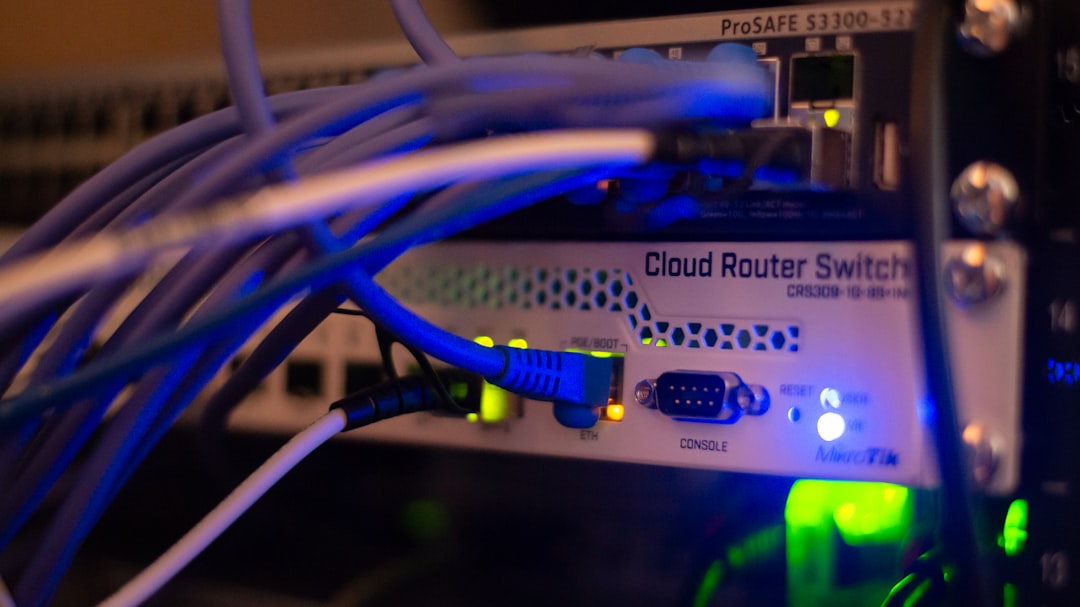
Containment strategies may include:
- Rolling back a faulty deployment
- Scaling infrastructure
- Disabling affected features
- Activating failover systems
- Temporarily blocking suspicious traffic
Once systems stabilize, teams can begin root cause investigation. Separating containment from optimization prevents over-engineering under stress and reduces time-to-recovery.
4. Use Structured Decision-Making Under Pressure
High-stress situations impair cognitive clarity. Structured decision-making models mitigate emotional bias and help teams evaluate trade-offs rationally.
Popular frameworks include:
- OODA Loop (Observe, Orient, Decide, Act)
- RACI Matrix for role clarification
- Pre-mortem analysis before high-risk deployments
- Impact vs. Effort prioritization during remediation
When multiple solutions appear viable, teams can rank them based on:
- User impact reduction
- Time to implement
- Risk of side effects
- Reversibility
Writing options down in shared documentation prevents circular debate and increases alignment.
5. Manage Human Factors and Team Psychology
Technical breakdowns often trigger emotional breakdowns. Anxiety, defensiveness, and fatigue can escalate quickly. Leaders must manage morale as carefully as infrastructure.
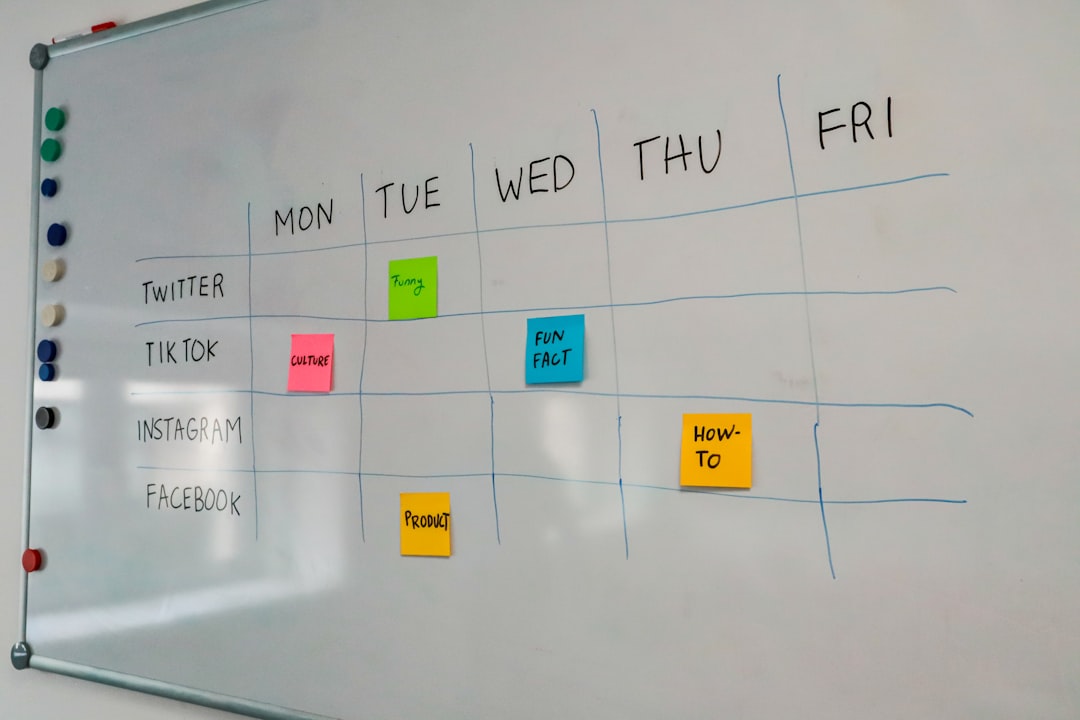
Effective psychological crisis management includes:
- Blameless culture during real-time response
- Enforced shift rotations to prevent burnout
- Clear leadership presence
- Psychological safety for raising concerns
Blame shuts down honesty. Curiosity unlocks insight.
Teams that focus on solving rather than accusing tend to uncover issues faster and preserve long-term trust.
6. Conduct Blameless Postmortems
The real value of a crisis lies in post-incident learning. Without structured analysis, the same issues are likely to recur.
An effective postmortem typically includes:
- Timeline reconstruction
- Root cause analysis
- Contributing factors
- Impact summary
- Action items with owners and deadlines
The keyword is blameless. Rather than asking “Who caused this?”, teams ask:
- What assumptions failed?
- Where did monitoring lag?
- What safeguards were missing?
- How can we reduce detection time?
This shift from personal fault to system improvement enhances resilience.
7. Leverage the Right Tools for Crisis Response
Technology teams rely on tooling to coordinate during high-pressure events. However, tools must be configured in advance to be helpful during emergencies.
| Tool Category | Purpose | Popular Examples | Best For |
|---|---|---|---|
| Monitoring & Alerting | Detect outages and anomalies | Datadog, Prometheus, New Relic | Real-time system visibility |
| Incident Management | Alert routing and escalation | PagerDuty, Opsgenie | Coordinated on-call workflows |
| Communication | Centralized discussion | Slack, Microsoft Teams | Rapid team alignment |
| Status Communication | External updates | Statuspage, Cachet | Customer transparency |
| Documentation | Runbooks and logs | Confluence, Notion | Knowledge preservation |
Teams that integrate these tools with automation reduce manual overhead and accelerate coordination.
8. Run Crisis Simulations and Game Days
The most resilient teams practice failure. Game days simulate outages, latency spikes, or security breaches in controlled environments.
Benefits of simulations include:
- Improved familiarity with incident protocols
- Reduced panic during real crises
- Identification of documentation gaps
- Faster detection and response timing
Chaos engineering practices, such as intentionally injecting system failures, help validate recovery readiness and highlight hidden dependencies.
9. Protect Customer Trust During Recovery
Recovery is not complete when systems come back online. Reputation repair often requires additional effort.
Strategies to restore trust include:
- Publishing a transparent incident report
- Offering service credits where appropriate
- Communicating preventative improvements
- Providing customer support priority
Customers are often forgiving when organizations demonstrate accountability and evolution.
10. Build a Culture of Resilience
Crisis management is not a playbook that sits on a shelf. It is a continuous mindset. Resilient cultures prioritize:
- Observability over reactive guesswork
- Automation over manual fixes
- Documentation over tribal knowledge
- Redundancy over single points of failure
Long-term resilience also requires leadership consistency. Executives must support investments in reliability engineering and recognize the business value of operational stability.
When crisis management becomes embedded in team DNA, incidents become controlled disruptions rather than existential threats.
Frequently Asked Questions (FAQ)
1. What is the most important first step during a tech crisis?
The most important first step is containment. Stabilize systems and reduce user impact before conducting deep root cause analysis.
2. How often should tech teams run crisis simulations?
Most high-performing teams conduct simulations quarterly or biannually. Critical infrastructure teams may practice monthly.
3. What is a blameless postmortem?
A blameless postmortem focuses on system and process improvement rather than individual fault. It encourages honest analysis without fear of punishment.
4. Who should lead during an incident?
An assigned Incident Commander should oversee coordination. This person manages communication, prioritization, and delegation.
5. How can small startups implement crisis management effectively?
Startups can begin with lightweight runbooks, defined communication channels, and basic monitoring tools. Even small teams benefit from clarity and preparation.
6. Why do crises sometimes worsen despite technical fixes?
Poor communication, unclear ownership, and unmanaged stakeholder expectations can escalate crises even when technical resolution is underway.
7. What metrics indicate strong crisis readiness?
Key indicators include low Mean Time to Detect (MTTD), low Mean Time to Recover (MTTR), documented runbooks, and regular simulation exercises.
In fast-moving technology environments, crises are not rare anomalies — they are inevitable milestones. The teams that prepare, communicate clearly, and learn systematically transform disruption into operational maturity. By combining structured frameworks, effective tooling, and a culture of accountability, tech teams can confidently navigate even the most complex emergencies.