
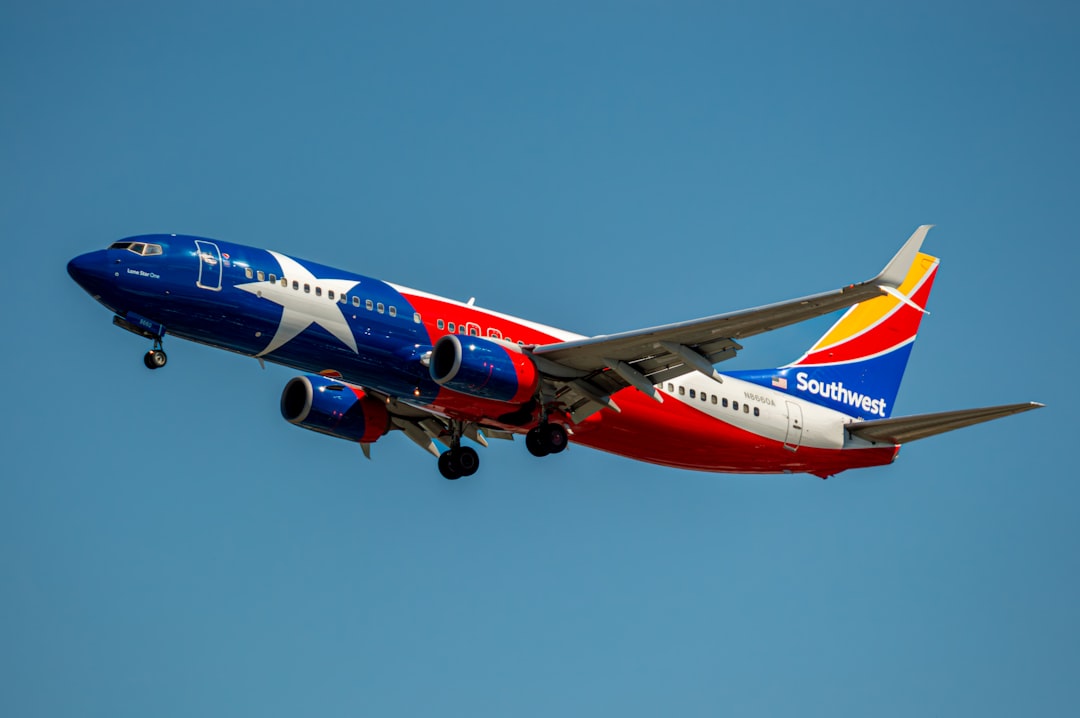
Southwest Airlines has long stood apart from other major U.S. carriers because of its unique business model: no assigned seating, no traditional fare classes, and no international-style premium cabins. As travelers plan for 2026, many are asking a common question: Does Southwest Airlines have first class? The short answer may surprise those accustomed to legacy airlines like American, Delta, or United. Below is a complete and clear breakdown of Southwest’s cabin structure, fare types, seating policies, and what “premium” really means on this airline.
TLDR: Southwest Airlines does not offer a traditional first-class cabin in 2026. All seats on the aircraft are economy, but passengers can purchase different fare types that provide added flexibility and boarding priority. While there are no larger reclining first-class seats, travelers can pay for benefits like earlier boarding, refundable tickets, and extra Rapid Rewards points. Southwest’s model focuses on simplicity rather than tiered physical cabin classes.
Does Southwest Airlines Have First Class in 2026?
No, Southwest Airlines does not have a first-class cabin in 2026. The airline continues to operate using a single-class cabin configuration across its entire fleet, which consists exclusively of Boeing 737 aircraft. Every seat on board is considered economy, and there are no separate premium sections with larger seats, extra legroom rows branded as first class, or dedicated cabin dividers.
This structure has been central to Southwest’s identity for decades. By maintaining a single cabin layout, the airline reduces operational complexity, speeds up boarding times, and keeps fares competitive.
However, while there is no physical first class, there are fare tiers and boarding options that provide priority treatment and flexibility. Understanding this distinction is essential.
Southwest’s Cabin Layout Explained
All Southwest aircraft feature a single economy-class cabin arranged in a standard 3-3 configuration. There are no seatback entertainment screens and no curtained-off premium sections.
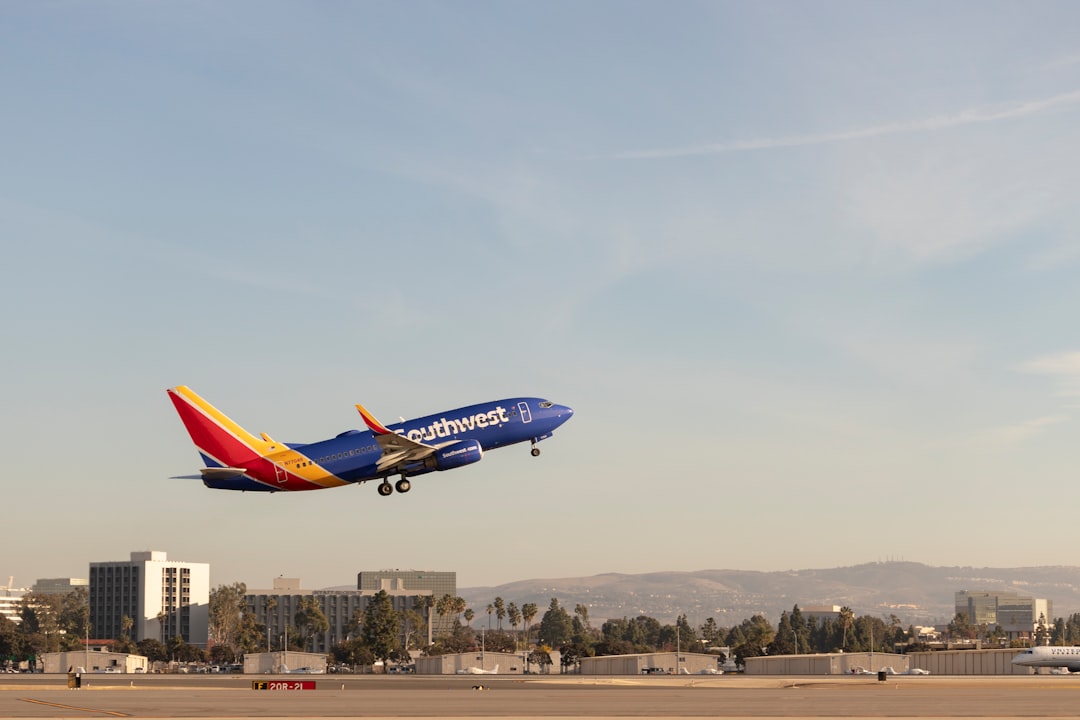
Key characteristics of Southwest’s cabin:
- All-economy seating configuration
- No first-class recliners
- No business-class cabin
- No premium economy section
- No blocked middle seats
Seat pitch typically ranges between 31 and 32 inches, which is competitive with standard economy seating on most U.S. airlines. Some aircraft may offer slightly more legroom in exit rows, but these are not sold as a separate cabin class.
If There’s No First Class, What Are You Paying For?
Instead of traditional cabin classes, Southwest sells fare bundles. The physical seat remains the same, but the flexibility and perks vary. In 2026, Southwest typically offers the following fare categories:
- Wanna Get Away
- Wanna Get Away Plus
- Anytime
- Business Select
Here is a detailed comparison to clarify the differences:
| Feature | Wanna Get Away | Wanna Get Away Plus | Anytime | Business Select |
|---|---|---|---|---|
| Refundable | No | No | Yes | Yes |
| Free Same Day Changes | No | Yes | Yes | Yes |
| Boarding Priority | Standard | Standard | Earlier | A1-A15 Priority |
| Rapid Rewards Points Earned | Lowest | Moderate | Higher | Highest |
| Premium Drink Included | No | No | No | Yes |
Importantly, none of these fare types include a larger seat or a dedicated cabin space. Even Business Select, the closest alternative to first class, provides priority boarding and perks but not an upgraded physical seat.
What Is Business Select?
Business Select is often misunderstood as Southwest’s version of first class. In reality, it functions more like a premium economy add-on rather than a separate cabin.
What Business Select includes:
- Guaranteed early boarding position (A1–A15)
- Refundable ticket
- Priority security lane access (where available)
- Complimentary premium drink
- Highest Rapid Rewards earning rate
Because Southwest uses open seating, boarding earlier increases your chances of choosing a preferred seat, such as a front-row or exit-row position. However, the seat itself is identical to every other seat on the aircraft.
How Southwest Boarding Works
One of the reasons a traditional first-class cabin does not exist on Southwest is its open-seating policy. Passengers are assigned a boarding group (A, B, or C) and a number (1–60). Once onboard, they choose any available seat.
Boarding order works like this:
- Preboard passengers
- Group A (1–60)
- Group B (1–60)
- Group C (1–60)
Business Select customers receive positions between A1 and A15, virtually guaranteeing first access to available seats. This system replaces the need for a segregated cabin, but it also eliminates the exclusivity associated with first class.
Seat Comfort Compared to Traditional First Class
When comparing Southwest to traditional first-class products on other airlines in 2026, the differences are substantial.
Typical U.S. domestic first-class seat offers:
- Wider seat (20–22 inches vs. 17–18 inches standard economy)
- Seat pitch of 37–40 inches
- Enhanced recline
- Dedicated flight attendant service
- Upgraded meal service
Southwest offers none of these physical upgrades. While service is generally regarded as friendly and efficient, it is uniform throughout the aircraft.
Why Southwest Chooses Not to Offer First Class
Southwest’s business strategy focuses on three pillars:
- Simplicity
- Speed
- Cost efficiency
By operating a fleet composed entirely of Boeing 737 aircraft with identical interiors, maintenance and crew training are simplified. Removing cabin divisions also speeds up boarding and deplaning, which improves aircraft utilization rates.
Adding first class would:
- Reduce total seat capacity
- Complicate fare structures
- Increase operational costs
- Slow down boarding efficiency
For Southwest, the trade-off has historically not been worth it.
Are There Any Signs This Will Change?
As of 2026, Southwest has not announced any plans to introduce a traditional first-class cabin. While airlines continuously evaluate revenue opportunities, Southwest appears committed to preserving its single-cabin identity.
However, industry analysts note that airlines everywhere are expanding premium seating due to strong demand. Should Southwest ever modify its cabin layout, it would likely be a “premium economy plus” concept rather than a full first-class product with lie-flat seats.
What You Do Get With Southwest
Even without first class, Southwest offers benefits that appeal to many travelers:
- Two free checked bags
- No change fees
- Generous flight credit policies
- Simple fare structure
- Friendly onboard service culture
For families and leisure travelers, these policies can outweigh the absence of luxury seating. The value proposition is fundamentally different from airlines competing in the premium travel space.
Who Should (and Should Not) Fly Southwest
Southwest may be ideal for:
- Budget-conscious travelers
- Families with checked bags
- Domestic short-haul flyers
- Passengers who value flexibility
It may not be ideal for:
- Travelers seeking luxury seating
- Passengers wanting airport lounge access included with ticket
- Those prioritizing seat assignments in advance
- International long-haul travelers seeking lie-flat beds
Final Verdict: 100% Clarity
To be perfectly clear: Southwest Airlines does not offer first class in 2026. There is no separate premium cabin, no larger seats, and no enhanced onboard dining section. Every passenger flies in the same physical seat configuration.
What Southwest does offer is a tiered fare system where higher-priced tickets provide priority boarding, flexibility, and reward bonuses—but not premium seating. Business Select is the closest equivalent to “first class,” yet it is fundamentally different from the traditional definition used by other major airlines.
For travelers who understand this distinction, expectations remain properly aligned. Southwest prioritizes operational efficiency and cost savings over cabin luxury. If spacious seats and exclusive service are your top priorities, another carrier may better suit your needs. If flexibility, transparency, and value matter more, Southwest’s model continues to stand firm in 2026.
In summary: No first class. One cabin. Multiple fare perks. Simple structure. Clear expectations.