Choosing between a minimal and a detailed logo is one of the most consequential branding decisions a company can make. A logo is often the first visual interaction a customer has with a brand, and it silently communicates values, personality, and positioning. The right style reinforces credibility and recognition; the wrong one can create confusion or dilute your message. Understanding the strategic implications of minimal versus detailed design is essential before committing to a direction.
TLDR: Minimal logos emphasize simplicity, scalability, and versatility, making them ideal for modern, digital-first brands that value clarity and adaptability. Detailed logos convey depth, heritage, and craftsmanship, often suiting traditional or luxury brands seeking rich storytelling. The right choice depends on your audience, industry, brand personality, and long-term growth plans. Rather than following trends, align your logo style with strategic brand objectives.
The Power of Minimal Logos
Minimalism in logo design prioritizes simplicity, clean lines, limited color palettes, and essential shapes. The goal is direct recognition with as few elements as possible. Think of brands whose marks are instantly recognizable even when reduced to an app icon or favicon.

Minimal logos typically include:
- Simple geometric forms
- Limited color schemes
- Flat or subtle design elements
- Clean, legible typography
The primary advantage of this approach is clarity. A simple mark is easier to understand, remember, and reproduce across mediums. In digital environments where logos appear at small sizes on mobile screens, clarity is a practical requirement.
Another major benefit is scalability. Minimal logos retain their integrity whether displayed on a billboard or a social media profile. As brands increasingly operate across websites, apps, packaging, and physical spaces, simplicity becomes an operational advantage.
From a psychological perspective, minimal designs often communicate:
- Modernity
- Efficiency
- Transparency
- Innovation
For technology companies, startups, consulting firms, and direct-to-consumer brands, this aesthetic aligns well with contemporary expectations.
The Case for Detailed Logos
In contrast, detailed logos embrace intricate elements, textures, gradients, decorative typefaces, and complex illustrations. This style is often associated with heritage brands, luxury goods, craft businesses, and institutions seeking to convey tradition and depth.
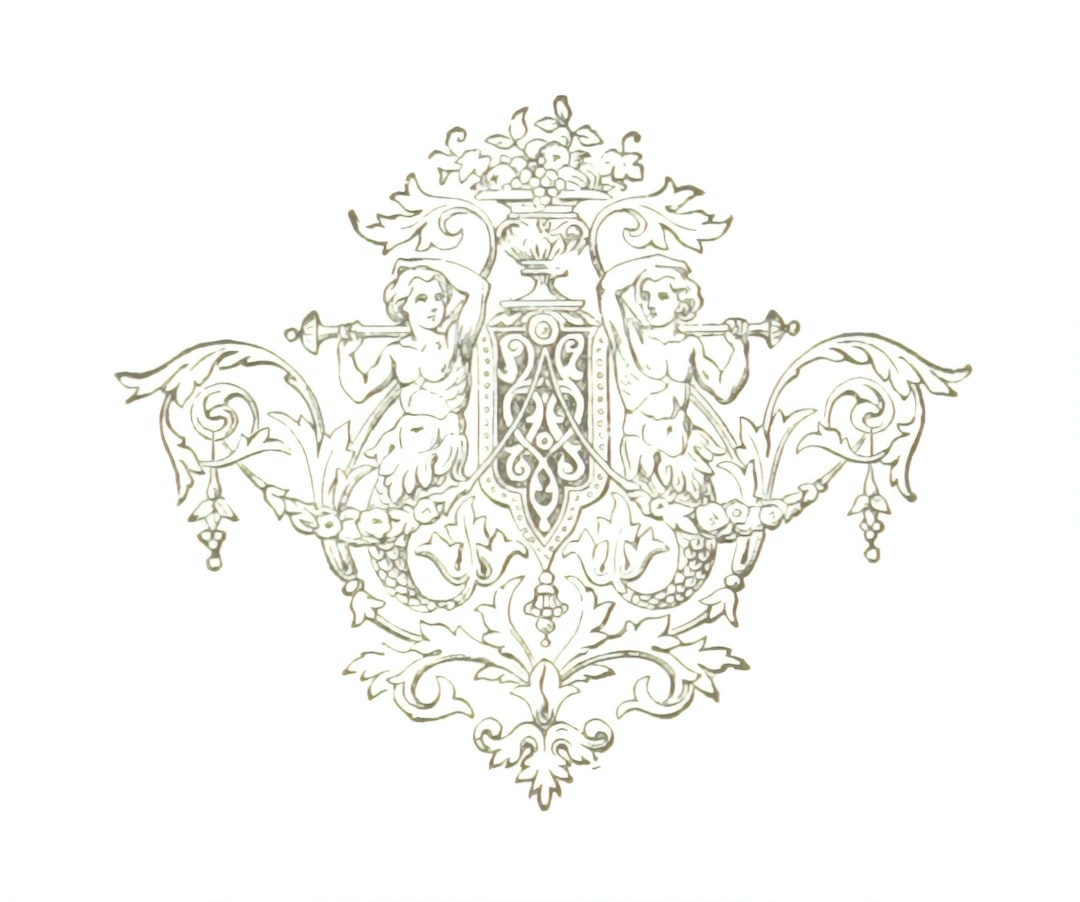
Detailed logos frequently include:
- Illustrated mascots or crests
- Decorative typography
- Shading, gradients, or dimensional effects
- Symbolic imagery tied to brand history
The principal advantage of a detailed logo is storytelling. It allows a brand to embed symbolism, heritage references, or craftsmanship cues directly into the visual mark. Breweries, universities, and luxury brands often benefit from this layered communication.
Additionally, detail can signal:
- Tradition and legacy
- Exclusivity
- Craftsmanship
- Authority
For brands operating in sectors where authenticity and history matter, a sparse mark may feel insufficient. A more elaborate design can project the desired gravitas.
Strategic Factors to Consider
Rather than asking which style looks better, a more productive question is: Which style aligns with your strategic positioning?
1. Target Audience
Younger, digitally native audiences often gravitate toward clean, modern aesthetics. Conversely, audiences that value heritage or artisanal quality may expect more detailed visual cues. Conduct audience research before making assumptions.
2. Industry Norms
Industries develop visual conventions over time. Financial institutions, for instance, often favor conservative marks, while tech startups lean toward simplified symbols. Challenging norms can differentiate your brand—but only if done intentionally and with clarity.
3. Brand Personality
Ask whether your brand is better described as:
- Innovative or established?
- Efficient or expressive?
- Disruptive or traditional?
A mismatch between logo style and brand personality creates cognitive dissonance. A highly ornate logo for a fast, digital automation tool may feel contradictory. Similarly, a minimalist logo for a heritage winery might appear less authentic.
4. Scalability and Adaptability
Modern brands must function across multiple platforms, from smartwatch screens to large-scale signage. Minimal logos tend to adapt more easily to responsive design systems. Detailed logos may require simplified secondary versions for small applications.
5. Longevity
Trends fluctuate. Extremely detailed logos with heavy gradients and stylistic effects can age quickly. Minimalism, while also subject to trends, often provides greater longevity due to its fundamental simplicity.
Common Misconceptions
It is important to dispel a few myths surrounding this debate.
Minimal does not mean generic.
A well-executed minimal logo is the result of rigorous refinement. The fewer elements you use, the more precise each must be.
Detailed does not mean cluttered.
Complexity can be sophisticated and intentional. The distinction lies in clarity and balance, not merely the number of elements.
Simplicity is not easier to design.
In fact, minimal logos often require more conceptual development. Refining an idea to its purest form demands discipline.
Hybrid Approaches: A Practical Middle Ground
Many successful brands combine both philosophies. They may use a detailed emblem in formal contexts and a simplified version for digital applications.
This system-based approach offers flexibility. A strong brand identity can include:
- Primary logo (more detailed, used in formal applications)
- Secondary logo (simplified variation)
- Icon or symbol (standalone mark for small-scale use)
Such versatility ensures both storytelling richness and technical adaptability.
Cost and Production Considerations
Budget and production realities also matter. Detailed logos may incur higher costs in certain contexts, including:
- Embroidery
- Small-scale print materials
- One-color reproduction
Minimal logos often perform better in low-cost production environments, especially when single-color printing is required. If your brand relies heavily on merchandise or packaging variations, simplicity can streamline operations.
Rebranding Implications
For established companies considering a redesign, the shift between minimal and detailed styles carries reputational weight. Moving from detailed to minimal may signal modernization. Moving from minimal to detailed can suggest a repositioning toward luxury or heritage.
However, abrupt changes can alienate loyal customers. When contemplating a transition:
- Conduct stakeholder interviews
- Test potential designs with target audiences
- Roll out updates gradually if necessary
Rebranding should reflect strategic evolution, not aesthetic impatience.
Case-Based Decision Framework
To make a confident choice, consider answering the following questions:
- Where will the logo appear most frequently?
- What emotional response should it evoke?
- How important is tradition versus innovation?
- Will the brand expand into new markets or digital products?
- What competitive visual patterns dominate your industry?
Your answers will often indicate a natural direction. For digitally driven, globally scalable brands, minimal logos frequently offer functional advantages. For legacy institutions, artisanal products, and cultural organizations, detail may better express identity.
Final Considerations
Ultimately, the debate between minimal and detailed logos is not about superiority. It is about alignment. A logo is a strategic asset, not merely a decorative element. It must support brand positioning, operational realities, and long-term growth.
Minimal logos excel in clarity, flexibility, and modern appeal. Detailed logos thrive in storytelling, symbolism, and tradition. Both can succeed when thoughtfully executed and strategically deployed.
Before choosing a direction, step back from design trends and ask what your brand truly represents. A well-aligned logo will feel inevitable, not forced. When clarity of purpose guides visual identity, either style can become powerful, enduring, and unmistakably your own.