I never thought I would spend my weekends teaching a robot how to sing about toothpaste. But that is exactly what happened. What started as simple curiosity turned into a full experiment. I decided to create AI-generated ad jingles. I wanted to see if a machine could write something catchy. Something people would actually hum in the shower. Here is how it went.
TLDR: I tried using AI to create catchy ad jingles for fun. The results were surprisingly good, sometimes hilarious, and occasionally terrible. I learned that AI is fast and creative, but it still needs human direction. In the end, the best jingles came from teamwork between me and the machine.
Why I Even Tried This
It started with a simple question. Can AI write a song that sticks in your head?
We all know those annoying jingles. The ones you hate. The ones you secretly remember anyway. “Buy one, get one free” never sounded so musical. I wondered if an AI tool could create something similar in minutes.
I work in marketing. I am always looking for faster ways to test ideas. Traditional jingle creation takes time. You need:
- A songwriter
- A composer
- A singer
- A producer
That adds up. Money. Time. Meetings. Emails. More meetings.
So I opened an AI music generator and typed my first prompt: “Create a fun, upbeat jingle for a new sparkling water brand.”
I hit enter. And waited.
The First Results
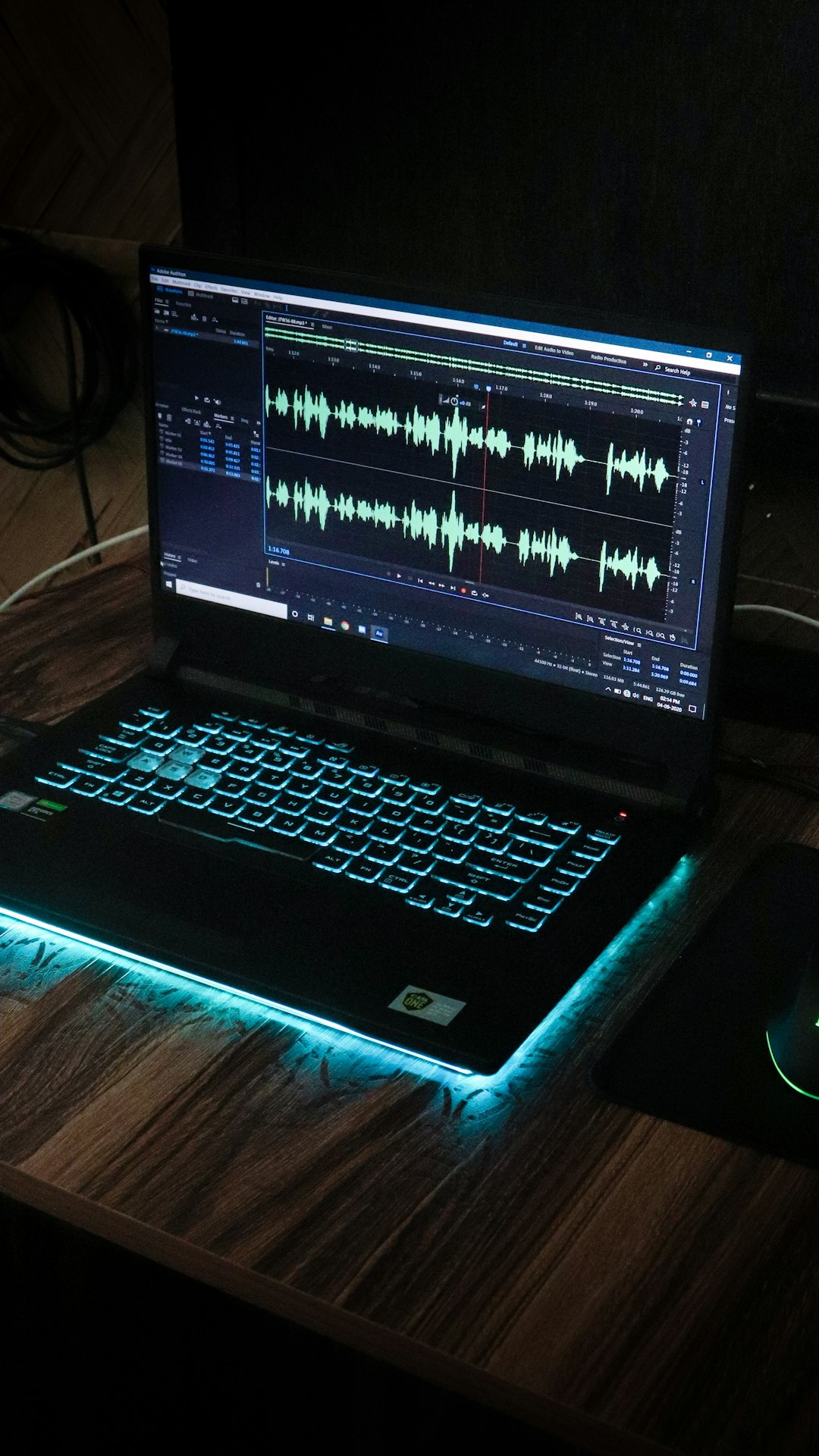
The AI came back in about thirty seconds. It gave me lyrics. A melody. Even a basic instrumental track.
The lyrics were simple:
“Pop the top and feel alive,
Sparkle sip, enjoy the vibe!”
I laughed. But not in a bad way. It was not terrible. It was actually… catchy.
I played it for a friend. She started humming along by the second chorus. That is when I realized something important.
AI may not be perfect. But it is fast.
In less than five minutes, I had something usable. Was it ready for a Super Bowl commercial? No. But as a draft? Absolutely.
The Good Surprises
As I experimented more, I noticed a few strengths.
1. Speed
This cannot be overstated. I could generate ten different jingle concepts in an hour. That would normally take days.
2. Variety
I asked for:
- A country-style fast food jingle
- A 90s pop-inspired sneaker ad
- A dramatic opera piece for cat food
Yes, opera for cat food.
And the AI delivered every time. Some were silly. Some were shockingly good.
3. No Creative Ego
If I did not like a result, I just wrote: “Make it more energetic.” Or “Use simpler words.”
No arguments. No hurt feelings. Just a new version.
That freedom made brainstorming fun again.
The Not-So-Great Parts
It was not all smooth.
Sometimes the lyrics felt generic. Very safe. Very predictable.
I saw patterns like:
- “Feel the vibe”
- “Shine so bright”
- “Every single day and night”
It was like the AI had a favorite rhyme list and refused to move on.
Also, emotion was tricky. The melodies sounded polished. But sometimes they lacked soul. They sounded like background music in a stock video library.
That is when I learned my second big lesson.
AI needs direction.
When I Got More Specific
Instead of saying, “Write a happy jingle,” I tried this:
“Write a playful jingle for a kids cereal brand. Make it rhyme. Use silly animal characters. Keep lines under eight words. Add a call-and-response chant at the end.”
The difference was huge.
The output was sharper. Funnier. More focused.
One cereal jingle included a dancing panda and a crunchy beat you could clap to. It even had a chant: “Crunch it! Munch it! Love it!”
I could picture it on TV.
That was the moment it clicked. AI is like a super-talented intern. Fast. Capable. But it needs clear instructions.
Testing with Real People
I did not want to judge this experiment alone. So I ran a small test.
I created three jingles for a fake coffee brand:
- One written fully by AI
- One written by me
- One written by AI, then edited by me
I played them for ten friends. I did not tell them which was which.
Here is what happened.
The fully AI version was described as “nice” and “fine.” Nobody hated it. But nobody loved it either.
My fully human version got stronger reactions. Some loved it. Some thought it was too dramatic.
The mixed version won.
People called it “catchy” and “fun.” One friend even sang the hook again later that evening.
That proved something important.
The best results came from collaboration.
The Unexpected Funny Moments
Not every jingle was a success.
I once asked for a luxury perfume ad song. I wanted elegance. Mystery. Romance.
The AI responded with something that sounded like a supermarket sale announcement set to soft jazz.
Another time, I requested a dramatic car commercial jingle. The AI added random clapping sounds in the middle. It felt like the car was being applauded for existing.
And then there was the pet insurance rap. I still do not know why it included the line: “Goldfish got your back, no fear attack.”
I never mentioned goldfish.
But honestly, those weird moments made the experiment more fun.
What Happened When I Took It Further
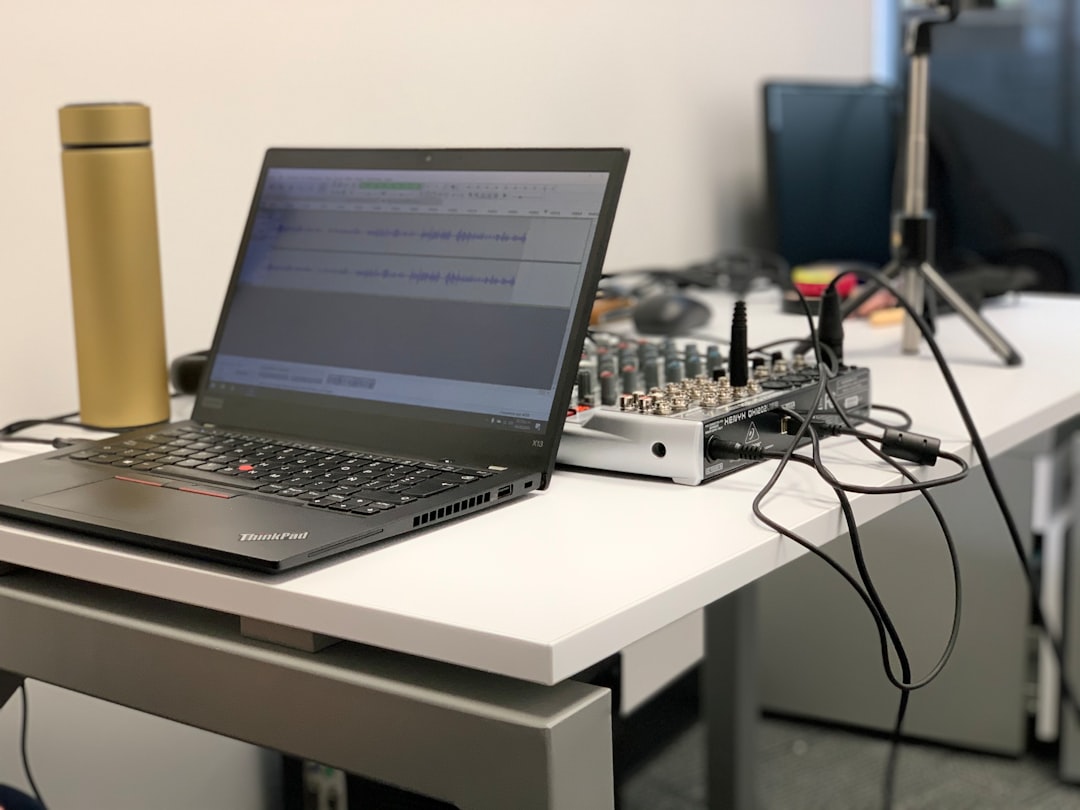
I decided to treat one AI jingle like a real campaign. I picked the best concept. A bright, happy tune for a local bakery.
I refined the lyrics. Adjusted the melody. Hired a freelance singer online to record the final version.
Then I ran it as a social media ad for a week.
The results surprised me.
The ad with the jingle had:
- Higher watch time
- More comments
- More shares
Several people mentioned the song specifically. One comment said, “I cannot get this out of my head.”
That is the dream, right?
It was not a viral explosion. But it clearly worked better than a silent visual ad.
What I Learned
After several weeks of testing, failing, refining, and laughing, I walked away with clear lessons.
1. AI Is a Tool, Not a Replacement
It can generate ideas fast. But it still benefits from human taste. Human editing adds emotion. Humor. Risk.
2. Prompts Are Everything
Vague input equals vague output.
Specific input creates magic.
3. It Lowers the Barrier to Creativity
You do not need to play piano. Or read music. You can test jingle ideas with just words.
That opens doors for small businesses. Startups. Solo creators.
4. It Is Ridiculously Fun
There is something hilarious about watching a machine attempt reggae about laundry detergent.
Sometimes it fails. Sometimes it surprises you.
But it is never boring.
Will I Keep Using AI for Jingles?
Yes. But differently than I first imagined.
I no longer expect it to deliver perfection in one click. I use it for:
- Brainstorming concepts
- Exploring genres
- Generating rough drafts
- Testing hooks quickly
Then I step in. I polish. I tweak. I rewrite weak lines.
It feels less like pressing a button and more like co-writing with a very fast partner.
Final Thoughts
Creating AI-generated ad jingles was not just a tech experiment. It changed how I see creativity.
I used to think songwriting had to start from a blank page. Now I see it can start from a smart suggestion.
The magic is not in the machine alone.
The magic happens in the combination.
A human with taste. An AI with speed.
Together, they can create a tune about sparkling water that lives rent-free in your friend’s brain.
And honestly, that is kind of amazing.