Realifecamù represents a transformative shift in how human beings interact with technology, blending digital intelligence with lived experience in ways previously confined to science fiction. As artificial intelligence, immersive interfaces, wearable computing, and real-time data ecosystems evolve, the boundary between the physical and the digital is dissolving. This convergence is not merely a technological upgrade; it is a structural change in how society perceives reality, productivity, communication, and identity.
TLDR: Realifecamù describes the seamless fusion of technology with everyday life through AI, immersive systems, and real-time data integration. It aims to enhance human decision-making, productivity, and connectivity without replacing human agency. By merging physical and digital environments, it reshapes industries such as healthcare, education, and urban infrastructure. The future of Realifecamù depends on ethical governance, privacy safeguards, and responsible innovation.
At its core, Realifecamù is not a single product or platform. It is an ecosystem philosophy. It envisions a world where wearable devices, augmented environments, intelligent infrastructure, and adaptive AI systems operate as one cohesive framework. Instead of logging into a digital system, the user becomes embedded within it. Instead of reacting to technology, technology anticipates, contextualizes, and enhances human intention.
The Core Principles of Realifecamù
The theoretical foundation of Realifecamù can be understood through four intersecting pillars:
- Ambient Intelligence: Systems that operate quietly in the background, collecting environmental and behavioral data to generate adaptive responses.
- Contextual Awareness: Devices and software that interpret time, location, physiological signals, and behavioral cues to offer precise assistance.
- Human-Centered Design: Technology that augments cognitive and physical capabilities without overwhelming the user.
- Seamless Integration: Harmonization between devices, applications, and infrastructure across public and private domains.
This framework distinguishes Realifecamù from earlier digital transformations. Where the internet connected computers, and smartphones connected people, Realifecamù connects experiences. It builds a persistent digital layer over the physical world.

Technological Foundations Driving the Convergence
The emergence of Realifecamù is not accidental. It is a culmination of technological advancements reaching maturity simultaneously.
1. Artificial Intelligence and Predictive Analytics
AI systems now analyze vast streams of behavioral, environmental, and biometric data in real time. Predictive algorithms adapt interfaces and services based on subtle usage patterns. For example, health platforms integrated within wearable ecosystems can detect deviations in physiological signals before symptoms become noticeable.
2. Spatial and Extended Reality
Extended reality technologies, including augmented and mixed reality, overlay dynamic data onto physical environments. Rather than isolating users in digital realms, these systems contextualize information within real-world surroundings. A technician repairing a machine may see diagnostic overlays directly aligned with its components.
3. Edge Computing and 5G Connectivity
Realifecamù depends on near-instantaneous data exchange. Edge computing processes information locally, reducing latency. Combined with high-bandwidth networks, this ensures that immersive and mission-critical systems operate reliably.
4. Biometric and Environmental Sensors
Wearables and embedded sensors measure heart rate variability, stress markers, motion patterns, air quality, temperature, and spatial orientation. These data streams inform adaptive applications that respond fluidly to changing conditions.
Applications Across Key Sectors
The true test of Realifecamù lies in its practical deployment across industries.
Healthcare
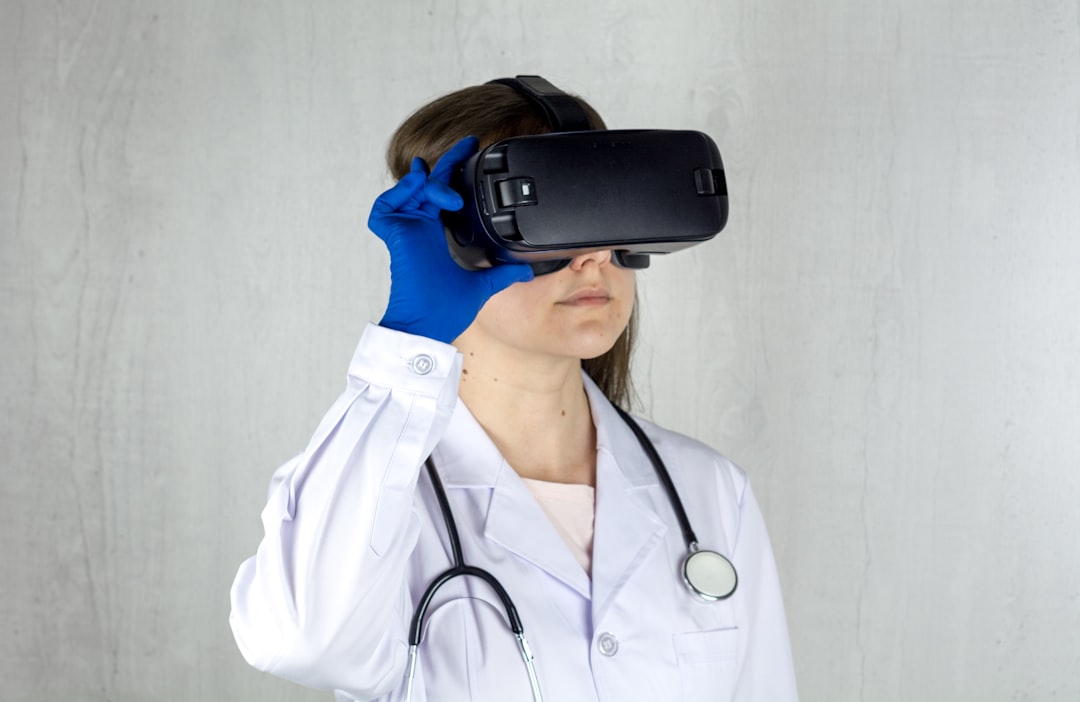
Medicine is one of the first sectors to fully benefit from the convergence model. Remote patient monitoring is evolving into continuous life-environment assessment. Instead of periodic checkups, individuals receive real-time health insights.
- Continuous biometric tracking to detect early anomalies.
- Augmented surgical guidance improving precision.
- Data-driven personalization of treatment plans.
This reduces reactive care and shifts systems toward preventative models, lowering long-term healthcare costs and improving patient outcomes.
Education
In education, Realifecamù fosters experiential learning. Students no longer rely solely on textbooks or static simulations. Instead, immersive overlays bring abstract concepts into tangible visualization.
For example, engineering students can interact with virtual structural forces mapped onto physical prototypes. History students can walk through digitally reconstructed historical environments integrated with classroom spaces. This increases retention and comprehension by aligning learning with sensory experience.
Urban Development and Smart Infrastructure
Cities adopting the Realifecamù model integrate transportation systems, environmental sensors, and citizen interfaces into unified platforms. Traffic congestion, energy distribution, and emergency response mechanisms are adjusted dynamically.
Urban planners can visualize infrastructure stress points in augmented overlays, enabling predictive maintenance rather than reactive repairs. Such systems promote sustainability, reduce waste, and improve quality of life.
Enterprise and Workforce Productivity
Enterprises leverage convergence technology to enhance operational efficiency. Digital-twin environments simulate entire production lines or supply chains, allowing managers to test strategic decisions before implementing them physically.
Frontline workers equipped with contextual overlays receive task-specific guidance, reducing errors and increasing safety compliance. The result is measurable productivity growth while maintaining human oversight.
The Human Dimension: Augmentation, Not Replacement
A central concern surrounding technological convergence is displacement. Realifecamù, when structured responsibly, emphasizes augmentation rather than automation dominance. The objective is not to remove human agency, but to enhance cognitive bandwidth and physical capability.
Key distinctions include:
- Decision Support: AI offers recommendations while humans retain authority.
- Contextual Alerts: Systems intervene only when deviations or risks are detected.
- Adaptive Interfaces: Information is filtered to reduce overload.
This model contrasts with earlier automation phases that prioritized efficiency over human integration. Realifecamù recognizes that trust and adoption depend on preserving the individual’s sense of control.
Ethical Governance and Data Responsibility
The seamless nature of Realifecamù systems raises significant ethical considerations. Continuous data collection, location tracking, and biometric monitoring demand robust regulatory frameworks.
Critical governance requirements include:
- Data Sovereignty: Individuals retain ownership and control of personal data.
- Transparent Algorithms: Explainable AI models that clarify decision mechanisms.
- Consent Architecture: Clear opt-in structures for different data tiers.
- Cybersecurity Reinforcement: Advanced encryption and decentralized validation.
Without these safeguards, convergence technologies risk eroding privacy and public trust. Policymakers must collaborate with technologists to standardize protections before mass adoption accelerates.
Challenges to Widespread Adoption
Despite its promise, Realifecamù faces structural barriers.
Infrastructure Disparity: High-speed connectivity and sensor networks are not universally available. Uneven deployment could widen socioeconomic gaps.
Interoperability Issues: Fragmented ecosystems limit seamless integration. Industry-wide standards must mature.
Cognitive Fatigue: Poorly designed systems risk overwhelming users with constant notifications and overlays.
Security Threats: As connectivity increases, attack surfaces expand proportionally.
Addressing these constraints requires coordinated public-private investment and cross-disciplinary collaboration between engineers, ethicists, policymakers, and sociologists.
The Long-Term Societal Impact
Over time, Realifecamù could fundamentally redefine the concept of “interface.” Screens may become less central as data becomes spatial and contextual. Interaction models could rely more heavily on gesture, voice, biometric signals, and environmental triggers.
This evolution may also influence social structures:
- Work Flexibility: Remote and hybrid environments enhanced through immersive collaboration.
- Medical Longevity: Preventative diagnostics extending healthy life expectancy.
- Adaptive Cities: Infrastructure responding dynamically to climate challenges.
Perhaps most critically, Realifecamù reshapes how individuals perceive reality itself. Digital augmentation becomes normalized, not as an escape mechanism, but as an enhancement layer enriching understanding and performance.
Strategic Outlook: The Next Decade
Over the coming decade, we can expect steady incremental integration rather than sudden revolution. Early adoption will likely remain concentrated in enterprise, defense, advanced healthcare, and high-capacity urban centers. Consumer applications will expand as hardware becomes lighter, more affordable, and socially unobtrusive.
Investments in research and development will emphasize:
- Miniaturized wearable processors.
- Energy-efficient edge AI chips.
- Ethical AI compliance standards.
- Cross-platform compatibility frameworks.
If responsibly managed, these developments will enable convergence models that feel natural rather than intrusive.
Conclusion
Realifecamù embodies a decisive step in the evolution of technological ecosystems. It is the structured merging of digital intelligence with the physical world, grounded in human-centered design and ethical accountability. Its capacity to enhance health, education, infrastructure, and enterprise is substantial. However, its success depends on disciplined governance, interoperability standards, and societal trust.
Technology and reality are no longer parallel domains. They are converging into a unified operational environment. Realifecamù is not simply the future of technology; it is the architecture of a new lived experience—one where digital insight and human intention operate in synchronized continuity.