
Manual transmission driving is an art form that demands precision, timing, and a deep understanding of your vehicle’s mechanical rhythm. Among the various gears a driver needs to master, second gear — often overlooked — plays a pivotal role in managing control, torque, and smooth transitions, particularly in urban driving and challenging terrains like hills and curves.
TL;DR
Second gear is more than a stepping stone between first and third — it’s essential for maintaining balance between power and speed in low to moderate driving conditions. Mastering second gear enhances vehicle control, fuel efficiency, and overall driving smoothness. This article explores when and how to switch into second gear, the mechanical reasons behind its importance, and how to optimize its use in real-world scenarios. Every driver aiming for mastery in manual transmission driving should fully grasp the art of second gear control.
The Purpose and Mechanics of Second Gear
In a standard 5 or 6-speed manual transmission, second gear occupies a crucial zone of torque-to-speed balance. Its primary function is to expand upon the low-end power of first gear while preparing the vehicle for the more speed-focused higher gears.
Why is this important? When you transition into second gear correctly, you ensure that your engine isn’t over-revving in first gear or under-clocking in third. This smooths out the driving experience and protects mechanical components.
When Should You Use Second Gear?
Drivers should aim to engage second gear in the following circumstances:
- After Starting from a Full Stop: Once the vehicle gains enough momentum in first gear and reaches approximately 10-20 km/h (or 6-12 mph), shifting to second provides better speed control and power distribution.
- Low-Speed Maneuvers: In parking lots, tight corners, or stop-and-go traffic, second gear gives smoother, less jerky response compared to first gear.
- Climbing or Descending Hills: Second gear offers ample torque for controlled climbing and engine braking for safe descents.
- Wet or Slippery Conditions: Using second gear when starting from a standstill in slippery conditions helps reduce wheel spin and improve traction.
Technical Backbone: Why Second Gear Performs Differently
Second gear is engineered to balance the torque multiplication benefits of first gear with a higher rotational speed. Mathematically, it is a lower gear ratio than first, meaning it provides less torque but higher potential speed. This mid-range capability is what makes it perfect for low-to-mid-speed urban driving.
From an engineering perspective:
- The gear ratio of second is generally between 2.0 to 2.5, compared to over 3.5+ in first gear.
- This allows the engine to operate in a more efficient RPM range when the vehicle is moving at moderate low speeds.
- Minimized torque in comparison to first means less abrupt acceleration — perfect for smoother engagement in traffic.
In simple terms, second gear keeps the car responsive without being too aggressive.
Common Mistakes in Shifting to Second Gear
Even experienced drivers can fall prey to misusing second gear. Here are a few common errors and how to avoid them:
- Shifting Too Early: If you shift up before reaching adequate speed, you’ll cause the engine to lag or “bog,” leading to inefficient combustion and hesitation in movement.
- Holding First Gear Too Long: This causes unnecessary RPM escalation which increases fuel consumption and engine wear.
- Clutch Mismanagement: Releasing the clutch too fast or without matching engine RPM can create jerky movement or even stall the car.
A good shift involves a balance: let the engine reach about 2,000 to 2,500 RPM (in most modern vehicles) before pressing the clutch and guiding the shifter into second gear fluidly.
The Role of Engine RPM in Second Gear Control
Many drivers overlook the importance of RPM (Revolutions Per Minute) when transitioning into or driving in second gear. Engine RPM is a direct indicator of how hard your engine is working. Keeping it at the optimal range ensures:
- Fuel Efficiency: Operating the car at stable RPMs in second gear can prevent unnecessary gas consumption.
- Engine Longevity: Lowering exposure to extreme revs or lugs increases the mechanical lifespan of engine parts.
- Consistent Acceleration: Smooth and responsive movement, particularly in urban driving or lifted terrain.
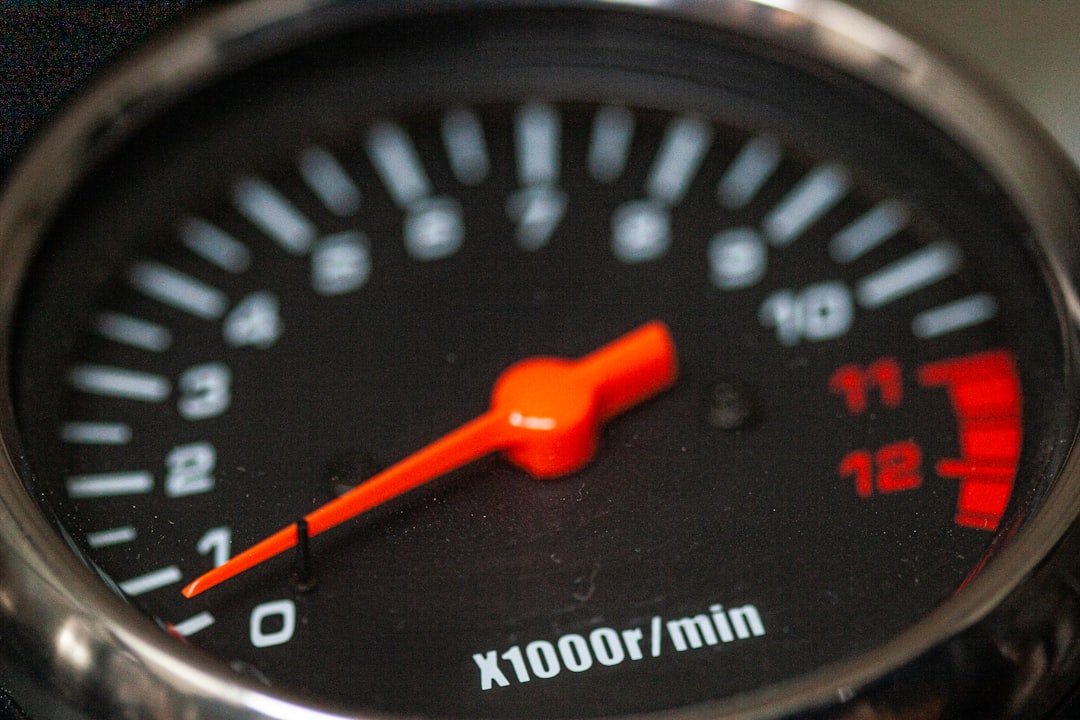
Tip: In most cars, aim to shift into second gear at around 12-15 km/h (7-10 mph) and keep your RPMs between 1,500 and 2,500 depending on the driving situation.
Situational Uses of Second Gear You Should Know
Here’s where skilled use of second gear makes a significant impact:
- Traffic Navigation: In heavy traffic, the car often moves just fast enough where second gear is appropriate. This minimizes the constant need to shift up and down unnecessarily.
- Urban Driving & Roundabouts: When approaching a roundabout or city corner, remaining in second gear offers both torque and speed control to maneuver without stalling or coasting excessively.
- Snow and Ice: Starting in second reduces torque to the wheels, lessening slippage on slippery surfaces. Pairing this with gentle throttle input leads to safer takeoffs.
How to Practice Second Gear Mastery
Like any skill, mastering second gear control comes down to deliberate practice. Here are steps and tips to hone this important driving technique:
- Use a Quiet, Empty Road: Start your practice in a safe environment where you can focus on feel and sound.
- Watch and Listen: Observe the tachometer and listen to the engine. These cues will help you understand when to shift up from first and down to first if needed.
- Smooth Transitions: Aim for seamless upshifts without lurching or dropping speed significantly.
- Hill Practice: Find a mild slope and practice starting in first, shifting to second mid-climb, and using engine braking in second gear on the way down.
Over time, this practice will lead to improved confidence, better fuel management, and more fluid movement suitable for real-world driving conditions.
When Downshifting to Second Gear Matters
Downshifting into second gear is equally critical as upshifting — especially in scenarios that require rapid deceleration or added control.
- Steep Descents: Use second gear as a form of engine braking to reduce reliance on brakes.
- Emergency Maneuvers: Downshift when needing to quickly slow down but remain maneuverable, such as when avoiding an obstacle or making a tight turn.
- Traffic Approaches: When nearing a traffic light or stop sign, second gear allows a controlled slowdown that doesn’t fully disengage the transmission.
Pro tip: Rev-matching can significantly smooth downshifts, especially in high-performance or high-strain conditions.
Conclusion: Why Second Gear Deserves Your Respect
Second gear might not seem glamorous, but it’s the cornerstone of effective manual driving. It provides the torque needed to move from a crawl while allowing enough velocity to glide through city traffic, conquer hills, and handle adverse conditions with grace.
By understanding its mechanical principles, practicing its use, and incorporating it into your regular driving habits, you’ll not only drive more smoothly but also extend the life and efficiency of your vehicle. Like a skilled musician mastering a key part of their instrument, a true manual driver knows that control in second gear is essential for the symphony of the road.