
In the digital age, virality has become a benchmark for success. Brands chase it, creators obsess over it, and algorithms seem to reward it. A single viral moment can transform an unknown individual into a global name overnight. Yet beneath the glamour of millions of views and explosive engagement lies a series of hidden costs that often go unnoticed until it is too late.
TL;DR: While virality can deliver massive exposure and rapid growth, it often comes with overlooked emotional, financial, and strategic downsides. Creators and brands frequently sacrifice long-term stability for short-term attention. The pressure to replicate viral success can damage mental health, brand identity, and audience trust. Sustainable growth often proves far more valuable than fleeting internet fame.
Virality promises visibility, credibility, and profit. However, what many fail to recognize is that viral success is rarely sustainable and often exacts a toll that outweighs its apparent benefits. To fully understand the risks, it is necessary to examine what chasing virality truly costs.
The Illusion of Instant Success
When a post explodes across platforms, it creates an illusion of permanent achievement. Metrics spike dramatically—followers flood in, engagement surges, and media outlets might even take notice. On the surface, it appears as though success has been permanently unlocked.
In reality, viral moments are typically temporary. Algorithms shift quickly, audiences move on rapidly, and the attention cycle shortens by the day. What remains after the spike often includes:
- Inconsistent audience engagement once the hype fades
- Unqualified followers who lack long-term interest
- Difficulty replicating the momentum
- Increased expectations that are nearly impossible to meet
This cycle frequently leads to disappointment and pressure. Instead of building steady growth, creators may find themselves chasing the next viral hit in an exhausting loop.
Mental Health Strain
The psychological toll of chasing virality is often underestimated. When success becomes defined by views, shares, and trending status, personal worth can become dangerously intertwined with performance metrics.

Content creators commonly report experiencing:
- Performance anxiety about maintaining relevance
- Obsessive metric checking throughout the day
- Creative burnout from constant content production
- Fear of irrelevance when engagement drops
The emotional rollercoaster can be severe. One day brings viral praise; the next brings silence or criticism. Over time, this instability can erode confidence and diminish creativity. Ironically, the very creativity that sparked viral attention often suffers most from the pressure to repeat it.
The Financial Trade-Offs
Though virality appears profitable, it does not always translate into sustainable revenue. Brands and creators often invest heavily in:
- Paid ads to amplify reach
- High-end production costs
- Trend-based marketing campaigns
- Influencer partnerships driven by hype
When a campaign fails to go viral, those investments may yield little return. Even when virality occurs, monetization is not guaranteed. A sudden influx of traffic can strain infrastructure, increase operational costs, and require rapid scaling—sometimes faster than a business can responsibly manage.
For businesses especially, chasing viral attention can divert budgets from more consistent and measurable strategies like:
- Email marketing
- Search engine optimization
- Community building
- Customer retention programs
Over time, neglecting foundational growth strategies in favor of unpredictable viral attempts can destabilize revenue streams.
Brand Identity Dilution
Trends move quickly. What is popular today may be irrelevant tomorrow. Brands that contort their messaging to align with every trending topic risk losing clarity and coherence.
Image not found in postmetaWhen companies prioritize viral appeal above all else, they may:
- Adopt tones inconsistent with their core values
- Engage in controversial or sensational content
- Abandon long-term positioning for short-term clicks
- Confuse loyal customers
Audiences are perceptive. When messaging feels opportunistic rather than authentic, trust erodes. Rebuilding that trust can be significantly more difficult than gaining temporary attention.
Audience Quality vs. Quantity
One of the most overlooked aspects of virality is audience mismatch. A post can attract millions of viewers who were only momentarily entertained—not genuinely interested in the creator or brand.
High follower counts can mask low engagement rates. For example:
- A viral comedy clip may attract followers uninterested in future educational content.
- A controversial post may draw viewers who thrive on outrage rather than loyalty.
- A giveaway may attract participants solely motivated by prizes.
This imbalance creates inflated numbers without meaningful relationships. Over time, algorithm performance may actually decline as disengaged followers dilute engagement percentages.
The Pressure to Escalate
After going viral once, the stakes rise. Audiences expect bigger, better, bolder content. Creators may feel compelled to escalate in spectacle, shock value, or risk.
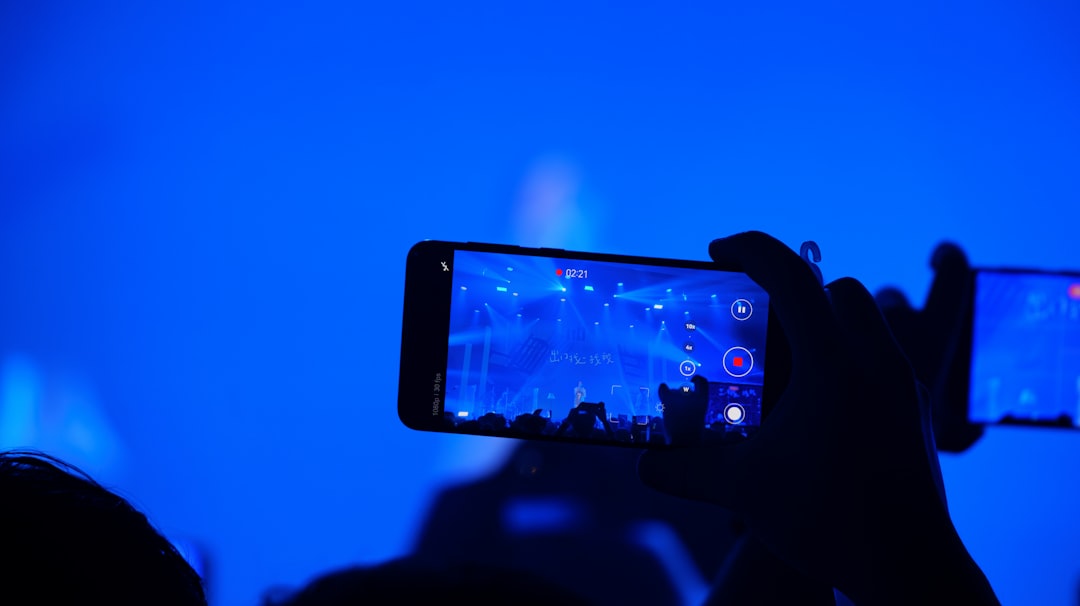
This escalation can result in:
- More extreme content choices
- Increased production expenses
- Creative compromises
- Potential reputational damage
When escalation becomes the strategy, sustainability often disappears. The content treadmill speeds up, and maintaining relevance becomes a constant race against audience boredom.
Algorithm Dependency
Virality typically depends on platform algorithms. These systems prioritize novelty, engagement spikes, and shareability. However, algorithms change frequently and often without warning.
Creators who rely heavily on viral distribution risk sudden visibility drops when:
- Platforms adjust content prioritization
- Community guidelines change
- New features reshape feeds
- Audience behavior shifts
This dependency reduces control. When success depends more on algorithmic favor than strategic planning, stability becomes fragile.
Reputation Risks
Going viral increases scrutiny. With widespread visibility comes a magnified risk of criticism, misinterpretation, and backlash. A joke can be taken out of context. A statement can resurface years later. A minor error can escalate into a public relations crisis.
Additionally, controversy-driven virality can permanently shape perception. Even if attention was positive initially, sustained public exposure often brings polarized reactions.
Managing fallout can require:
- Crisis communication teams
- Public apologies
- Damage control campaigns
- Long-term reputation rebuilding
The emotional and financial costs of navigating backlash frequently exceed the short-lived benefits of viral attention.
The Opportunity Cost of Sustainability
Perhaps the most significant hidden cost is the opportunity cost. Time and resources spent chasing viral spikes could instead be invested in:
- Community cultivation
- Product improvement
- Customer experience optimization
- Long-term storytelling
Sustainable growth typically appears slower but produces stronger foundations. Loyal audiences engage consistently. Revenue becomes predictable. Branding remains aligned.
In contrast, viral peaks followed by silence create instability. The contrast between highs and lows can be disorienting for both creators and businesses.
When Virality Works
This is not to say virality is inherently harmful. When aligned with long-term strategy, it can accelerate growth dramatically. The key lies in preparation and intention.
Virality works best when:
- Infrastructure can handle rapid growth
- Brand messaging remains consistent
- Conversion pathways are clear
- Retention strategies are in place
Without these elements, viral attention becomes an isolated spike rather than a sustainable boost.
Shifting the Focus from Viral to Valuable
Instead of asking, “Will this go viral?” creators and brands may benefit more from asking, “Will this create value?” Value-driven content builds trust, authority, and loyalty.
Over time, valuable content compounds. It attracts the right audience. It strengthens reputations. It provides consistent returns.
Virality may still occur—but as a byproduct of excellence rather than desperation.
Conclusion
Chasing virality can appear irresistible in a digital environment obsessed with numbers. Yet beneath the surface lies a complex web of emotional strain, financial risk, brand dilution, and instability. Viral moments may ignite rapid visibility, but they rarely guarantee endurance.
Those who prioritize purpose over popularity, sustainability over spectacle, and value over views often discover a quieter but far more reliable path to success. In a landscape driven by trends, resilience belongs to those who build rather than chase.
Frequently Asked Questions (FAQ)
-
1. Is going viral always bad for a brand or creator?
No. Virality can be extremely beneficial when backed by a strong strategy, infrastructure, and long-term vision. The risk arises when it becomes the sole objective rather than a complementary outcome. -
2. Why doesn’t virality always lead to sustainable income?
Viral attention often attracts broad but unqualified audiences. Without clear monetization strategies or aligned offerings, high traffic does not necessarily convert into lasting revenue. -
3. How can creators reduce the risks associated with virality?
They can focus on building email lists, nurturing communities, diversifying income streams, and maintaining consistent brand messaging to retain control over their growth. -
4. What is more important than virality?
Audience loyalty, trust, product quality, consistent engagement, and long-term positioning are typically more valuable than short-term spikes in attention. -
5. Can viral success harm mental health?
Yes. The pressure to replicate results, constant metric monitoring, and public scrutiny can lead to anxiety, burnout, and emotional exhaustion if not managed carefully. -
6. Should businesses avoid viral campaigns altogether?
Not necessarily. Businesses should ensure that viral efforts align with broader strategies and do not replace foundational growth practices such as retention, branding, and customer experience.