In today’s data-driven economy, raw information is everywhere—but usable, accurate, and analysis-ready data is much harder to find. From duplicated customer records to inconsistent date formats and missing values, messy datasets can stall analytics projects and lead to flawed decision-making. That’s where automated data cleaning platforms step in. These tools use intelligent rules, machine learning, and automation to transform cluttered data into structured, reliable assets that teams can trust.
TLDR: Automated data cleaning platforms save time, reduce errors, and improve the reliability of analytics by transforming messy data into consistent, structured information. Tools like Trifacta Wrangler (Alteryx), Talend Data Preparation, and OpenRefine offer powerful features for profiling, transforming, and standardizing datasets. Each platform serves different needs—from enterprise-scale automation to hands-on data wrangling. Choosing the right one depends on your technical expertise, business goals, and scalability requirements.
Below, we explore three leading auto data cleaning platforms that are reshaping how organizations prepare their data.
1. Trifacta Wrangler (Now Part of Alteryx Designer Cloud)
Trifacta, now integrated into Alteryx Designer Cloud, revolutionized the concept of data wrangling—making data preparation interactive, visual, and intelligent. Designed for analysts and data engineers alike, Trifacta uses machine learning to suggest transformations based on patterns it detects in your dataset.
Key Features
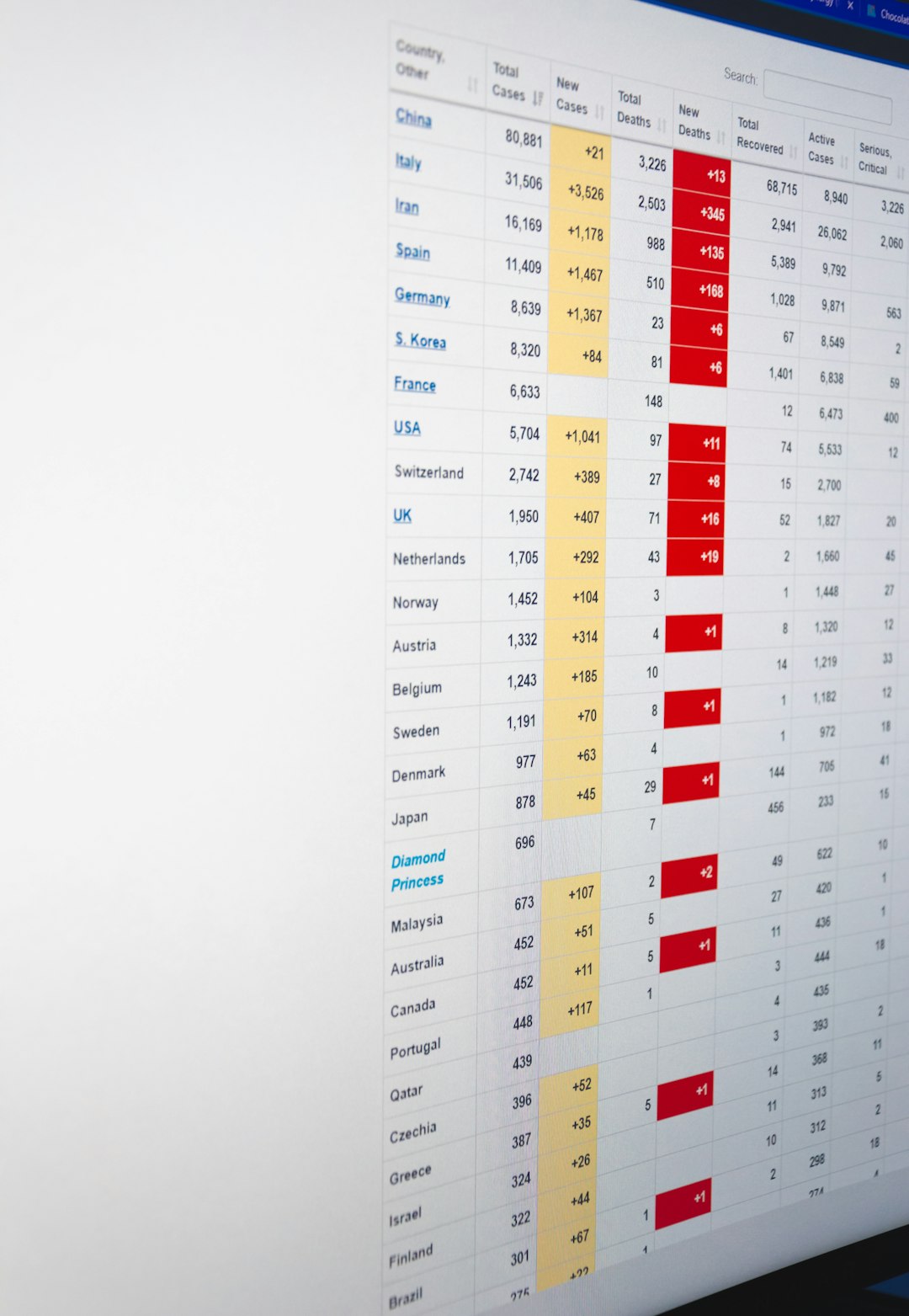
- Intelligent Data Profiling: Automatically detects anomalies, outliers, and inconsistencies.
- Predictive Transformation Suggestions: Recommends cleaning actions such as splitting columns, standardizing names, or correcting formats.
- Visual Data Pipeline: Lets users see each transformation step clearly.
- Scalability: Works with cloud environments and large datasets.
Why It Stands Out
What makes Trifacta powerful is its ability to “learn” from the data. Instead of manually writing transformation scripts, users can accept or modify smart suggestions. For example, if it detects inconsistent date entries like “04/12/25” and “April 12, 2025,” it suggests unifying them into a standard format with a single click.
This dramatically reduces preparation time, especially for large enterprise datasets. The tool is particularly suitable for:
- Enterprise analytics teams
- Data scientists working on cloud platforms
- Organizations handling massive structured and semi structured datasets
Potential Drawback: While powerful, the platform can feel complex for beginners and may require training for full utilization.
2. Talend Data Preparation
Talend Data Preparation focuses on accessibility and collaboration. It offers a clean, user-friendly interface that allows both technical and non-technical users to prepare data efficiently.
Unlike many traditional ETL (Extract Transform Load) tools, Talend emphasizes simplicity without sacrificing capability. It bridges the gap between business users and data professionals, making it easier to collaborate across teams.
Key Features
- Automated Data Profiling: Highlights quality issues, null values, and duplicates.
- Built In Cleansing Functions: Standardizes text, formats numbers, and corrects inconsistencies.
- Collaboration Tools: Allows teams to share datasets and cleaning workflows.
- Cloud and On Prem Integration: Supports a wide range of environments.

Why It Stands Out
Talend shines in collaborative business settings. Imagine a marketing team pulling data from multiple CRM systems. Fields such as customer names, contact numbers, or purchase dates are likely formatted differently across systems. Talend quickly identifies those discrepancies and provides standardized correction options.
Additionally, its transformation history ensures transparency. Every modification is logged, making audits and compliance checks easier—especially important for industries like finance and healthcare.
Best For
- Mid sized to large organizations
- Cross functional teams handling multiple data sources
- Companies needing governance and traceability
Potential Drawback: Advanced automation may require integration with other Talend ecosystem tools, which can increase complexity and cost.
3. OpenRefine
OpenRefine is an open source data cleaning tool that has built a loyal following among researchers, analysts, and journalists. While it may not have the sleek enterprise dashboards of commercial platforms, its power lies in flexibility and granular control.
OpenRefine is particularly strong when working with messy textual data—such as inconsistent categories, spelling variations, or unstructured content.
Key Features
- Clustering Algorithms: Detects similar but slightly different values (e.g., “USA,” “U.S.A.,” “United States”).
- Faceting and Filtering: Lets users drill down into specific subsets quickly.
- Custom Transformations: Supports scripting expressions for deeper cleaning tasks.
- Free and Open Source: No licensing cost.
Why It Stands Out
OpenRefine excels at entity reconciliation—matching messy entries against external databases to correct inconsistencies. For example, a newsroom analyzing election data could standardize candidate names across thousands of records despite variations in spelling.
Its clustering feature deserves special mention. By grouping similar values, it allows users to merge duplicates in bulk rather than manually correcting each record.
Best For
- Researchers and journalists
- Small businesses or startups
- Individuals comfortable with hands on data manipulation
Potential Drawback: It lacks the fully automated workflow orchestration and cloud scalability found in enterprise platforms.
Why Automated Data Cleaning Matters
Data cleaning consumes a surprising amount of project time. Studies often suggest analysts spend up to 70 or 80 percent of their time preparing data rather than analyzing it. Automation transforms this dynamic.
Here are the primary benefits of using automated platforms:
- Efficiency: Tasks that once took weeks can be completed in hours.
- Accuracy: Reduced human error through rule based or AI assisted corrections.
- Scalability: Handles millions of rows without performance breakdown.
- Consistency: Ensures formatting and validation rules are applied uniformly.
- Auditability: Maintains logs of transformation steps for compliance.
Ultimately, clean data leads to better forecasting, smarter segmentation, improved machine learning models, and more confident business decisions.
Choosing the Right Platform
Selecting the best auto data cleaning tool depends on your specific needs. Consider asking the following questions:
- How large are your datasets?
- Do you require cloud integration?
- Will non technical team members be involved?
- Is governance or compliance a priority?
- What is your budget?
A global enterprise working with distributed cloud data lakes may benefit most from Alteryx Designer Cloud. A collaborative operations team might prefer Talend. Meanwhile, a journalist cleaning government spreadsheets might find OpenRefine perfectly sufficient.
There is no universal solution—only the best fit for your unique workflow.
The Future of Auto Data Cleaning
As artificial intelligence continues to evolve, automated data cleaning tools are becoming even smarter. Emerging platforms now offer:
- Anomaly detection powered by deep learning
- Automated schema mapping between different systems
- Self healing pipelines that adjust to changes in data structure
- Real time cleaning during data ingestion
These advancements suggest a future where data preparation becomes less of a bottleneck and more of a seamless background process. Analysts will focus on insights, strategy, and innovation—rather than wrestling with inconsistent spreadsheets.
Still, human oversight remains critical. Automation can identify patterns and inconsistencies, but domain expertise ensures that transformations align with business logic and regulatory requirements.
Final Thoughts
Data is often described as the new oil—but like crude oil, it must be refined before it fuels powerful engines. Automated data cleaning platforms serve as modern refineries, removing impurities and organizing information into usable formats.
Whether you choose the enterprise intelligence of Trifacta (Alteryx), the collaborative efficiency of Talend, or the flexible precision of OpenRefine, the goal remains the same: transform chaotic data into reliable insight.
In a world increasingly governed by algorithms and analytics, investing in automated data preparation is no longer optional—it is essential. Clean data is not just a technical requirement; it is the foundation of competitive decision-making.