
Modern applications operate in an environment where user expectations are uncompromising and downtime translates directly into financial and reputational loss. Organizations can no longer wait for customers to report issues before acting. Instead, they rely on proactive monitoring strategies that simulate user interactions and detect performance degradation before it impacts the business. Among the most effective of these strategies is synthetic monitoring, a methodology widely implemented through tools like Pingdom and similar platforms.
TLDR: Synthetic monitoring tools such as Pingdom simulate user interactions with applications to detect performance issues before real users are affected. They provide proactive visibility into uptime, page speed, transaction flows, and global availability. By running continuous tests from distributed locations, these tools help organizations maintain reliability, optimize performance, and protect revenue. For modern digital services, synthetic monitoring is a foundational component of performance management.
Synthetic monitoring is a proactive testing approach in which predefined scripts mimic user behavior—such as visiting a webpage, submitting a form, or completing a transaction. Unlike passive monitoring, which analyzes real user traffic, synthetic monitoring generates its own traffic at scheduled intervals. This allows organizations to continuously test functionality, performance, and availability, even during periods of low or no user activity.
The Core Purpose of Synthetic Monitoring
The overarching goal of synthetic monitoring tools like Pingdom is simple: identify problems before users do. In practice, this goal encompasses several critical objectives:
- Uptime verification across websites, APIs, and servers
- Performance benchmarking for page load times and response times
- Transaction validation to ensure key workflows function correctly
- Global availability testing from multiple geographic regions
- SLA compliance measurement for service guarantees
By running continuous tests 24/7, organizations gain actionable insight into system stability and responsiveness under controlled and repeatable conditions.
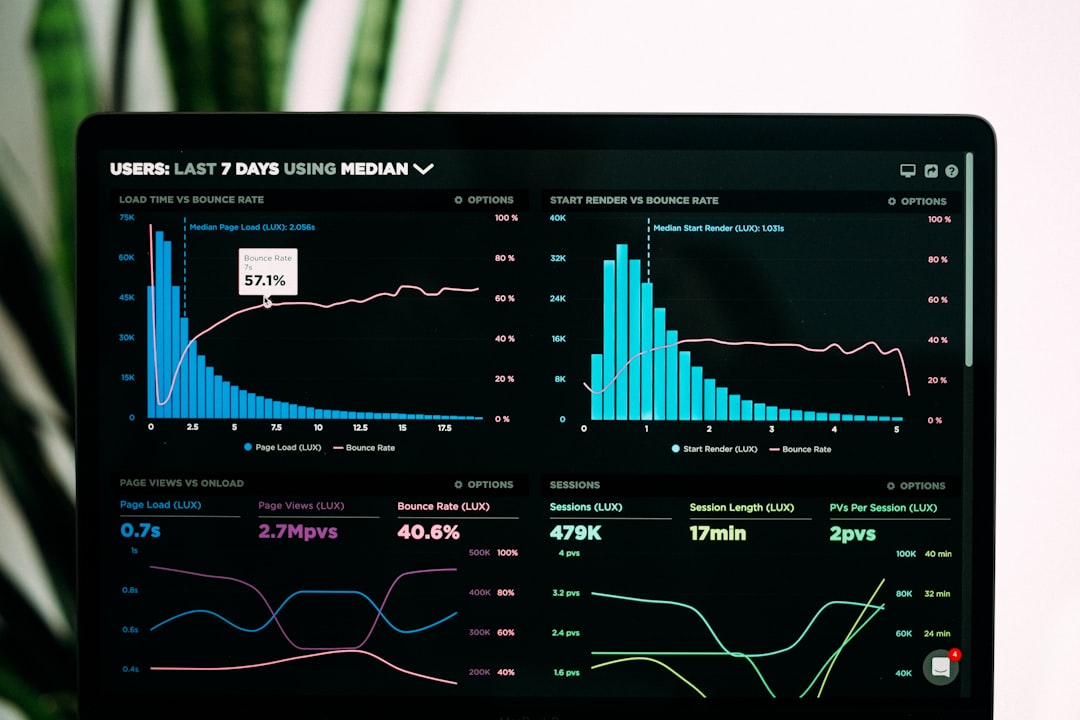
How Synthetic Monitoring Works
Synthetic monitoring tools operate through distributed testing nodes placed around the world. Each node performs automated checks at defined intervals—usually every 1 to 5 minutes. These checks simulate real-world usage of websites, APIs, or application endpoints.
The process typically involves:
- Defining test scenarios (e.g., homepage load, login flow, checkout process)
- Scheduling test frequency
- Selecting global test locations
- Capturing performance metrics
- Triggering alerts when thresholds are breached
For example, an e-commerce business may configure a synthetic check that simulates a user browsing products, adding items to a cart, and proceeding to checkout. If any step fails or exceeds acceptable performance thresholds, the monitoring tool immediately notifies the operations team.
Key Metrics Measured by Synthetic Monitoring Tools
Tools like Pingdom provide granular metrics that enable precise performance analysis. Some of the most significant include:
- Uptime Percentage: Measures availability over time.
- Response Time: Tracks how long servers take to respond.
- Page Load Time: Evaluates how quickly a full page renders for users.
- Time to First Byte (TTFB): Indicates server processing speed.
- DNS Resolution Time: Monitors domain lookup delays.
- SSL Handshake Time: Determines encryption negotiation efficiency.
By isolating each component of page delivery, teams can determine whether bottlenecks stem from infrastructure, third-party services, content delivery networks, or application code.
Types of Synthetic Monitoring
Modern synthetic monitoring solutions extend beyond simple ping checks. They commonly offer multiple test categories:
1. Uptime Monitoring
This is the most basic form, checking whether a website or service responds to requests. It ensures availability but does not necessarily measure user experience.
2. Page Speed Monitoring
Detailed performance analysis measures how different elements—images, scripts, stylesheets—impact loading time.
3. Transaction Monitoring
Simulates multi-step user journeys such as account creation or online purchases. This is critical for revenue-generating workflows.
4. API Monitoring
Validates backend services and microservices architectures by testing API endpoints, response codes, and payload correctness.

Benefits of Using Tools Like Pingdom
The widespread adoption of synthetic monitoring tools reflects their strategic business value.
Proactive Issue Detection
Rather than relying on customer complaints, organizations receive immediate alerts when performance degrades.
Improved User Experience
Fast and reliable applications enhance engagement, conversion rates, and customer satisfaction.
Reduced Mean Time to Resolution (MTTR)
Detailed insights enable technical teams to quickly diagnose the root cause of outages.
Data-Driven Decision Making
Historical performance trends help inform infrastructure investments and optimization efforts.
Third-Party Vendor Accountability
Many applications rely on external services. Synthetic monitoring isolates third-party slowdowns and provides evidence for SLA discussions.
Synthetic Monitoring vs. Real User Monitoring (RUM)
While synthetic monitoring is powerful, it is often complemented by Real User Monitoring (RUM). Understanding the distinction is essential:
- Synthetic Monitoring: Controlled, scripted tests run at fixed intervals.
- RUM: Collects data from real users interacting with the application.
Synthetic monitoring excels at baseline measurement, uptime verification, and early detection. RUM provides insight into actual user experiences under varied devices, networks, and behavior patterns. Together, they create comprehensive observability.
Use Cases Across Industries
Synthetic monitoring tools are applicable across nearly every digital-dependent sector.
E-Commerce
Cart abandonment often correlates with slow checkout performance. Synthetic transaction tests protect conversion rates.
Financial Services
Banking applications demand near-perfect uptime and strict SLA compliance. Proactive monitoring reduces operational risk.
SaaS Platforms
Subscription-based software relies on consistent reliability to maintain customer retention.
Media and Streaming
High-traffic events require continuous monitoring to prevent performance collapse under load.

Global Monitoring and Distributed Infrastructure
One of the most valuable features in synthetic monitoring platforms is geographic distribution. Applications may perform well in one region while experiencing latency elsewhere due to routing inefficiencies or CDN misconfigurations.
By running tests from multiple global checkpoints, organizations can:
- Identify regional latency spikes
- Validate CDN effectiveness
- Ensure consistent performance worldwide
- Support international expansion strategies
This capability is critical for businesses operating across continents.
Alerting and Incident Response
Monitoring is only valuable if it leads to timely action. Synthetic monitoring tools integrate with alerting systems such as email, SMS, incident management platforms, and chat applications.
Best practices for alerting include:
- Threshold-based alerts to prevent minor fluctuations from causing noise
- Escalation policies for unresolved incidents
- Redundant confirmation checks to avoid false positives
- Clear runbooks for faster remediation
Well-configured alert systems transform raw monitoring data into structured operational workflows.
Challenges and Limitations
Despite their strengths, synthetic monitoring tools are not without limitations.
- Script Maintenance: Application changes require updates to test scripts.
- Limited Behavioral Coverage: Predefined tests cannot capture every user path.
- Environment Simulation: Synthetic tests may not replicate real-world network variability.
These limitations reinforce the importance of combining synthetic monitoring with additional observability practices, including RUM, log aggregation, and infrastructure monitoring.
Implementation Best Practices
To maximize value, organizations should approach synthetic monitoring strategically.
- Identify Critical User Journeys: Focus on revenue or mission-critical flows.
- Set Realistic Thresholds: Base alert levels on performance baselines.
- Monitor Third-Party Dependencies: Include APIs and payment processors.
- Review Results Regularly: Analyze trends, not just outages.
- Test from Key Markets: Align monitoring locations with customer demographics.
A disciplined implementation ensures meaningful, actionable results rather than excessive, unfocused data collection.
The Strategic Importance of Synthetic Monitoring
In a digital economy where milliseconds influence user satisfaction and downtime damages trust, synthetic monitoring has evolved from a technical utility into a strategic necessity. Tools like Pingdom provide organizations with measurable, objective insight into application performance and availability.
By simulating real-world usage patterns, conducting continuous global checks, and generating timely alerts, synthetic monitoring strengthens operational resilience. It safeguards brand reputation, improves customer experience, and supports scalable growth.
For organizations serious about reliability and performance assurance, synthetic monitoring is not optional—it is foundational infrastructure for modern application management.