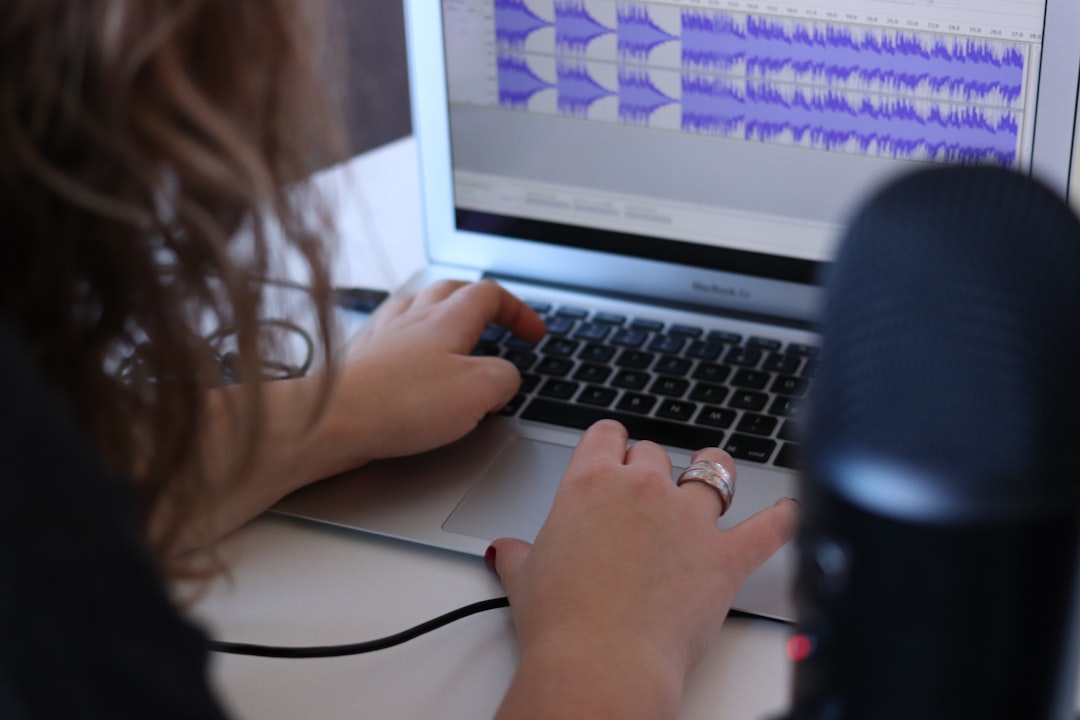
Text-to-speech tools have come a long way. In 2026, they sound more human than ever. You can clone voices, tweak emotions, and create studio-quality audio in minutes. Whether you are a creator, teacher, marketer, or just curious, there is a tool for you. Let’s explore the best text-to-speech (TTS) audio tools you should try this year.
TLDR: Text-to-speech tools in 2026 are smarter, faster, and more natural sounding than ever. The best platforms offer realistic voices, voice cloning, language support, and simple editing tools. Top picks include ElevenLabs, Murf AI, PlayHT, and Speechify. Pick the one that fits your budget, voice quality needs, and content style.
What Makes a Great Text-to-Speech Tool?
Before we jump into the list, here’s what really matters:
- Natural sound: Does it sound human?
- Voice variety: Are there different accents and genders?
- Languages: Does it support global audiences?
- Customization: Can you adjust tone and speed?
- Ease of use: Is it beginner-friendly?
- Pricing: Does it fit your budget?
Now, let’s get into the fun part.
1. ElevenLabs
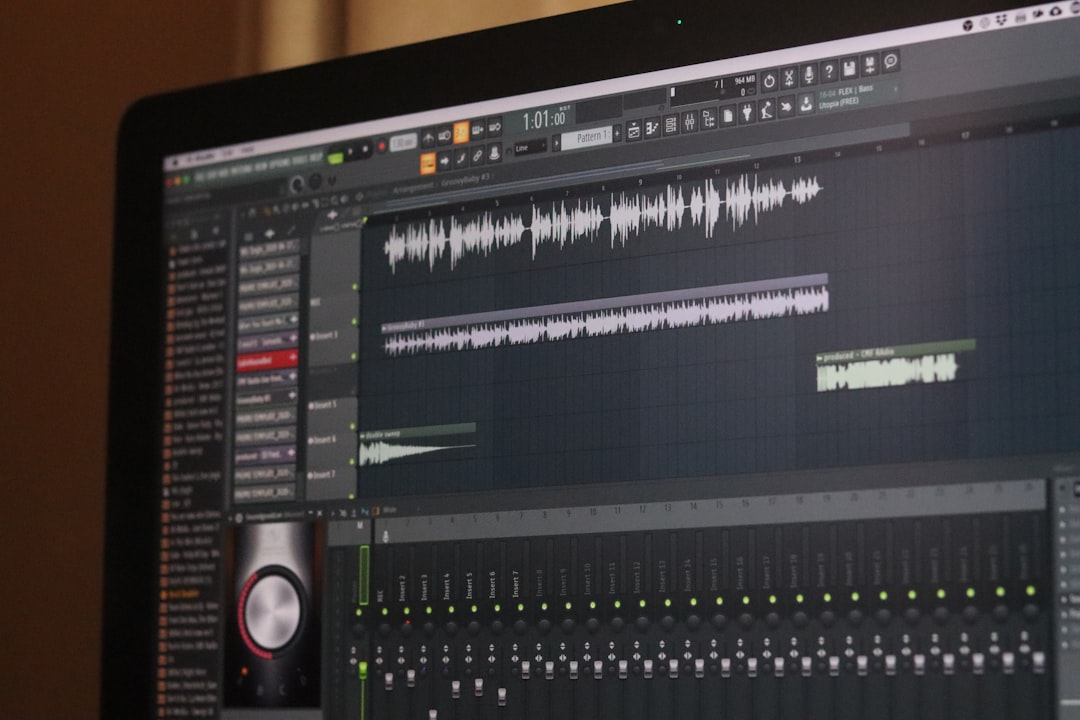
ElevenLabs continues to lead the pack in 2026. Its voices are incredibly realistic. Some are almost impossible to tell apart from humans.
Best for: Audiobooks, storytelling, and professional voiceovers.
- Ultra-realistic AI voices
- Voice cloning
- Emotion control
- Multiple languages
It’s powerful but still simple to use. Just paste your text, choose a voice, and generate.
2. Murf AI
Murf AI is perfect for business and corporate content. It’s polished and clean.
Best for: Training videos, presentations, and marketing.
- 120+ voices
- Voice customization
- Easy video sync
- Team collaboration tools
The interface feels modern and simple. Even beginners feel comfortable fast.
3. PlayHT
PlayHT is known for flexibility. It offers a huge library of voices and strong API access.
Best for: Developers and content creators.
- 800+ AI voices
- Voice cloning
- Podcast-ready downloads
- Commercial rights
If you want control and scale, PlayHT is a strong option.
4. Speechify
Speechify shines in accessibility. It helps people listen to documents, emails, and books with ease.
Best for: Students and busy professionals.
- Scans printed text
- Mobile-friendly
- Natural voice tones
- Adjustable speed
It turns long reading sessions into easy listening.
5. Resemble AI
Resemble AI focuses heavily on voice cloning and emotions.
Best for: Game developers and interactive media.
- Custom AI voices
- Real-time speech generation
- Emotion editing
- API integration
You can build very unique voice personalities here.

6. WellSaid Labs
WellSaid Labs is trusted by enterprises. The quality is high and consistent.
Best for: Corporate training and e-learning.
- Studio-quality voices
- Team management tools
- Secure cloud system
It may cost more. But the polish is worth it for businesses.
7. LOVO AI
LOVO AI is creative and colorful. It offers expressive voices for ads and social media.
Best for: Content creators and marketers.
- 500+ voices
- Emotion styles
- Online video editor
- Simple dashboard
If you create short-form content, this tool is fun to use.
8. NaturalReader
NaturalReader keeps things simple. It focuses on clear and readable speech.
Best for: Personal and educational use.
- Text and PDF support
- Browser extension
- Affordable plans
It’s great for everyday tasks.
9. Voice Dream
Voice Dream is mobile-first. It’s popular with students and accessibility users.
Best for: On-the-go listening.
- iOS and mobile support
- High-quality voices
- Offline use
Perfect for turning study notes into audio files.
10. Amazon Polly
Amazon Polly remains a strong developer choice. It connects easily with apps and services.
Best for: Developers and businesses.
- Neural voices
- Scalable API
- Pay-as-you-go pricing
It’s powerful but may require technical skills.
Quick Comparison Chart
| Tool | Best For | Voice Quality | Voice Cloning | Beginner Friendly |
|---|---|---|---|---|
| ElevenLabs | Audiobooks | Excellent | Yes | Yes |
| Murf AI | Business Content | Very High | Limited | Yes |
| PlayHT | Developers | Excellent | Yes | Moderate |
| Speechify | Students | High | No | Very Easy |
| Resemble AI | Games | Very High | Yes | Moderate |
| WellSaid Labs | Enterprise | Excellent | No | Easy |
| LOVO AI | Marketing | High | Yes | Very Easy |
| NaturalReader | Education | Good | No | Very Easy |
| Voice Dream | Mobile Users | High | No | Very Easy |
| Amazon Polly | Developers | Very High | No | Technical |
How to Choose the Right Tool
Still unsure? Ask yourself a few simple questions:
- Do I need voice cloning?
- Is this for fun or business?
- Do I need multiple languages?
- Will I use it daily?
If you want realism, go with ElevenLabs or PlayHT.
If you want business polish, try Murf AI or WellSaid Labs.
If you want easy listening for school, Speechify or NaturalReader are great.
Why Text-to-Speech Is So Big in 2026
Audio content is everywhere. Podcasts are booming. Short-form videos dominate social media. Audiobooks are growing fast.
Not everyone has time to read. But almost everyone has time to listen.
TTS tools make content creation faster. You do not need recording gear. You do not need a studio. You just need text.
That’s powerful.
Final Thoughts
Text-to-speech is no longer robotic or boring. In 2026, it’s creative, smart, and surprisingly human.
Whether you want to narrate a book, create a YouTube video, build a learning app, or just listen to articles while walking your dog, there is a tool for you.
Start simple. Test free trials. Compare voices. Have fun with it.
The future of audio is not just spoken. It is generated.
And it sounds amazing.