Modern software systems often span thousands or even millions of lines of code distributed across multiple repositories. As projects grow in complexity, efficient code navigation becomes not only a convenience but a necessity for productivity, maintainability, and collaboration. Codebase indexing tools address this challenge by systematically analyzing source code, building structural maps, and enabling developers to search and traverse relationships with precision.
TLDR: Codebase indexing tools analyze and map source code to make navigation, dependency tracing, and code understanding significantly faster and more reliable. Leading solutions such as Sourcegraph, OpenGrok, ctags, Zoekt, DXR, and language server-based indexers provide varying levels of scalability, automation, and semantic intelligence. Choosing the right tool depends on team size, repository scale, language support, and integration requirements. Implemented properly, these tools dramatically reduce onboarding time and improve long-term maintainability.
Below are six proven codebase indexing tools that help teams navigate large and evolving repositories with clarity and confidence.
1. Sourcegraph
Sourcegraph has established itself as one of the most comprehensive code search and navigation platforms available today. Designed for large-scale engineering organizations, it indexes repositories and provides deep, semantic code intelligence across multiple languages.
Unlike plain text search tools, Sourcegraph integrates with language servers and advanced parsers to understand definitions, references, and symbol relationships. This allows developers to:
- Perform precise cross-repository searches
- Track function and class usage across services
- Navigate dependency chains quickly
- Access inline documentation and hover information
Why it stands out: Its scalability and enterprise-grade capabilities make it particularly suitable for monorepos and distributed teams. Additionally, it supports self-hosted deployments, addressing strict compliance and privacy requirements.
The learning curve may be slightly steeper compared to lighter tools, but for large organizations, the benefits far outweigh the overhead.
2. OpenGrok
OpenGrok is a powerful, open-source code search and indexing solution originally developed by Sun Microsystems. It is optimized for large codebases and emphasizes reliable and fast search functionality.
OpenGrok performs static analysis of source files and builds a searchable index that supports:
- Full-text search
- Symbol definitions and references
- File history integration
- Cross-reference navigation
One of OpenGrok’s main strengths is its stability. It has been battle-tested in enterprise environments with legacy systems and extensive code archives. Its web-based interface allows engineers to explore code without requiring local builds or full IDE indexing.
Best use case: Organizations maintaining substantial legacy codebases in C, C++, or Java often find OpenGrok especially effective.
While it lacks some modern semantic capabilities of newer tools, its efficiency and reliability make it a strong contender.
3. ctags (Universal Ctags)
ctags, particularly the modern fork known as Universal Ctags, is one of the oldest and most established code indexing utilities. It generates index files (tags) that map identifiers such as classes, methods, and variables to their definitions.
The primary advantage of ctags lies in its simplicity. It integrates seamlessly with numerous editors, including Vim, Emacs, and modern IDEs. Developers can jump to symbol definitions almost instantly using the generated tag files.
Key characteristics include:
- Lightweight and fast
- No server infrastructure required
- Broad language support
- Simple integration into CI workflows
Limitations: ctags generally provides syntactic indexing rather than deep semantic analysis. It does not inherently track complex relationships like inheritance hierarchies or dynamic dispatch in sophisticated ways.
Still, for individual developers or small teams seeking low-overhead navigation, ctags remains highly effective.
4. Zoekt
Zoekt is a fast and scalable code search engine designed for large repositories. Initially developed to power code search at scale, it is often used as the search backend in other platforms.
What differentiates Zoekt is its emphasis on performance. It uses trigram indexing and parallel processing techniques to ensure near-instantaneous results, even across millions of lines of code.
Key advantages include:
- High-speed indexed search
- Efficient memory usage
- Strong performance in monolithic repositories
Zoekt is primarily focused on fast text search rather than semantic understanding. However, when paired with complementary tools, it forms the backbone of robust indexing systems.
Ideal scenario: Teams managing extremely large codebases where search performance is a top priority will benefit most from Zoekt’s architecture.
5. DXR
DXR is a source code indexing and browsing tool initially developed to support the Mozilla codebase. It combines full-text search with static analysis to provide layered navigation capabilities.
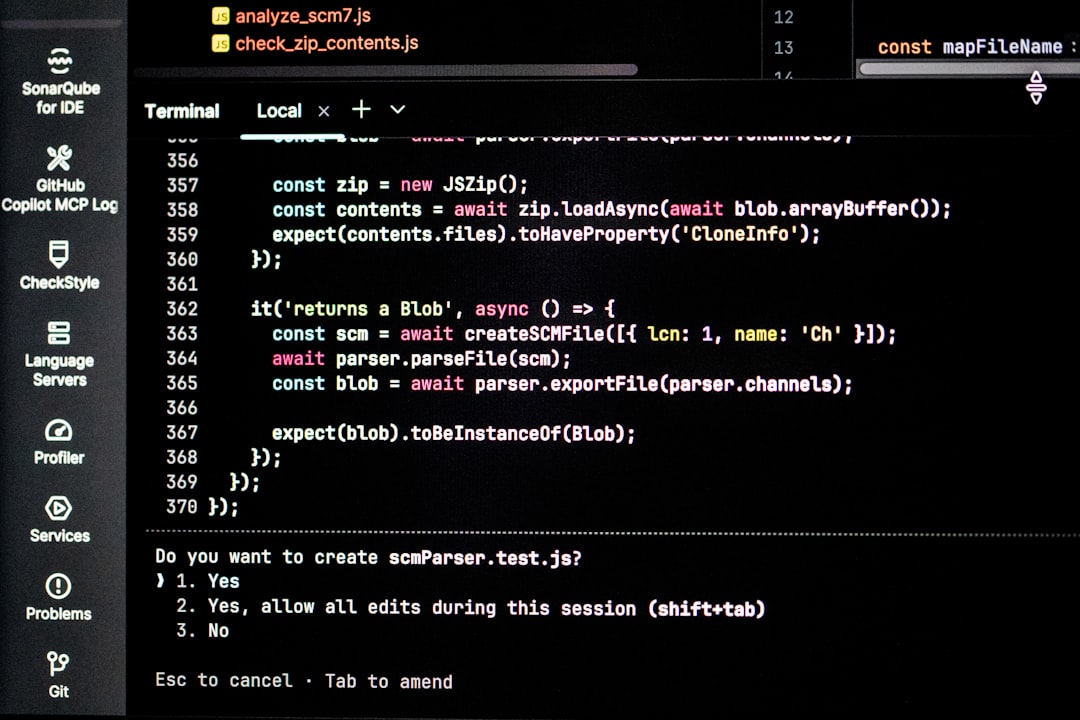
DXR emphasizes cross-referencing and contextual navigation. Its indexing process identifies symbols and their relationships, enabling features such as:
- Clickable symbol links
- Dependency mapping
- Context-aware search filters
While it may not receive the same level of attention as some newer tools, DXR remains a strong choice for teams that want a web-based exploration interface paired with structural awareness.
Consideration: Setup requires configuration of language-specific analyzers, which may increase initial deployment time.
6. Language Server Protocol (LSP) Based Indexers
The Language Server Protocol (LSP) is not a tool itself but a standardized protocol enabling editors and IDEs to communicate with language-specific servers that provide indexing, completions, and diagnostics.
Modern development environments—such as Visual Studio Code, JetBrains IDEs, and others—leverage LSP-based language servers to create dynamic, real-time indexes of codebases.
These systems offer:
- Semantic highlighting
- Go-to-definition and find-all-references
- Refactoring support
- Error detection and linting
Why this matters: LSP-based indexing integrates directly into developer workflows. Instead of relying on separate search portals, engineers navigate within their existing editing environments.
However, LSP indexing is typically optimized for active development rather than cross-repository, organization-wide search. For enterprise-scale visibility, teams often combine it with broader indexing platforms such as Sourcegraph or OpenGrok.
How to Choose the Right Codebase Indexing Tool
Selecting the appropriate indexing solution requires careful consideration of several factors:
- Repository Size: Large monorepos benefit from scalable, performance-optimized engines like Zoekt or Sourcegraph.
- Language Diversity: Multi-language environments may require tools with extensive language support or LSP integration.
- Deployment Model: Compliance-sensitive industries may prioritize self-hosted solutions.
- Team Workflow: If developers prefer IDE-centric navigation, LSP-based solutions or lightweight tools like ctags might suffice.
- Semantic Depth: Debugging complex systems requires more advanced analysis than plain text indexing.
It is also common to combine tools. For example, a team may rely on LSP features for day-to-day coding while using OpenGrok for centralized browsing and historical exploration.
Why Codebase Indexing Is a Strategic Investment
Efficient navigation is not merely about convenience; it directly affects engineering velocity. Developers who can quickly locate functions, understand dependencies, and trace execution paths spend less time searching and more time building.
Furthermore, indexing tools:
- Accelerate onboarding of new engineers
- Reduce risk of redundant implementations
- Enhance code review quality
- Support large-scale refactoring efforts
In distributed and asynchronous teams, having a searchable and well-indexed codebase enables knowledge sharing without requiring constant synchronous communication.
Conclusion
As software systems grow more complex, navigating them efficiently becomes increasingly challenging. Codebase indexing tools offer structured visibility into sprawling repositories, enabling engineers to understand relationships, dependencies, and impacts with clarity.
Whether through enterprise-grade platforms like Sourcegraph, mature open-source projects such as OpenGrok, lightweight utilities like ctags, high-performance engines like Zoekt, structured browsers like DXR, or integrated LSP-based indexers, organizations have a wide range of options.
Choosing carefully and implementing thoughtfully can transform the developer experience, shorten development cycles, and significantly improve code quality. In an era defined by scale and collaboration, effective codebase indexing is no longer optional—it is foundational.