Cybersecurity incidents are no longer a matter of if, but when. Organizations of all sizes face increasingly sophisticated cyberattacks that can compromise sensitive data, disrupt operations, and damage reputations. The speed at which a breach is detected often determines the extent of the damage. Cyber forensics tools play a critical role in identifying security breaches quickly, preserving evidence, and enabling organizations to respond effectively and decisively.
TL;DR: Cyber forensics tools help organizations detect, analyze, and respond to security breaches before they escalate. Solutions such as EnCase, FTK, Volatility, X-Ways, Autopsy, and modern SIEM platforms provide rapid evidence collection, real-time monitoring, and powerful forensic analysis. By combining endpoint, memory, network, and log analysis tools, security teams can significantly shorten response times. Choosing the right mix of tools depends on organizational size, infrastructure complexity, and compliance requirements.
Why Rapid Breach Identification Matters
Time is a critical factor during a cyberattack. According to industry research, breaches that go undetected for weeks or months can result in exponentially higher financial and operational consequences. Effective forensic tools allow incident responders to:
- Identify the attack vector before further exploitation occurs
- Preserve digital evidence in a legally admissible manner
- Determine scope and impact of compromised systems
- Prevent lateral movement within the network
- Support regulatory compliance and reporting obligations
Modern incidents are rarely confined to a single machine. Attackers target endpoints, servers, memory, cloud services, and networks simultaneously. Cyber forensic tools must therefore offer both depth and breadth in their investigative capabilities.
Core Categories of Cyber Forensics Tools
To understand how breaches are identified quickly, it is helpful to examine the main categories of forensic tools used by security professionals.
1. Disk and File System Forensics
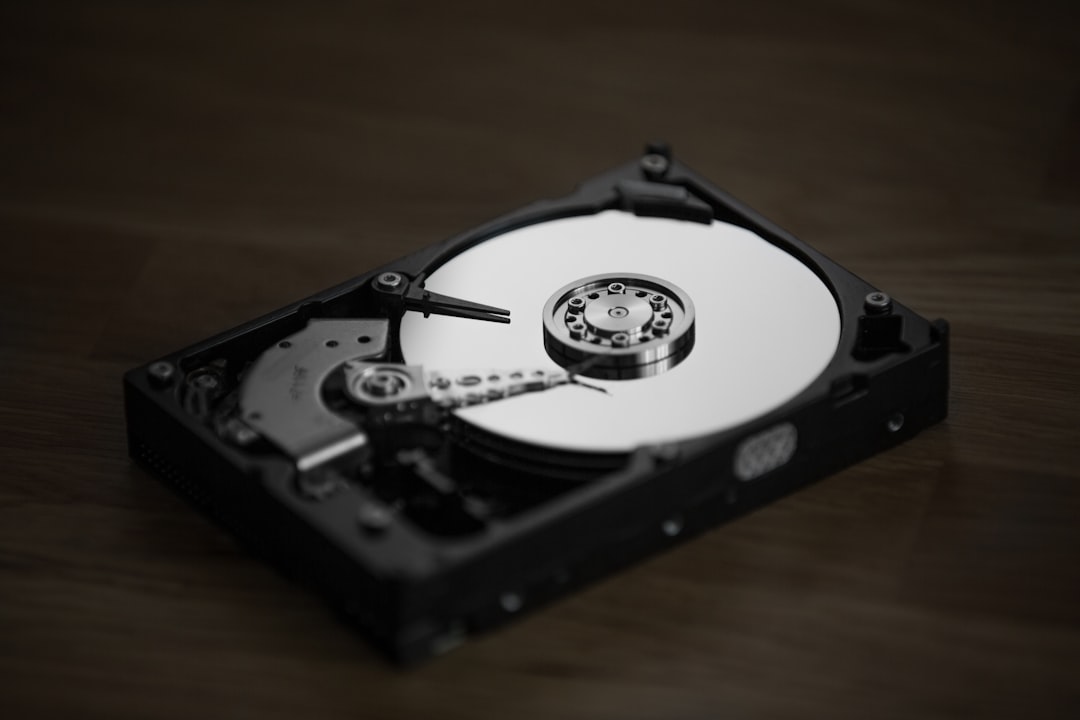
These tools analyze storage media to recover deleted files, examine metadata, and reconstruct user activity.
- EnCase Forensic
- FTK (Forensic Toolkit)
- X-Ways Forensics
- Autopsy
Disk forensics is essential when investigating ransomware infections, insider threats, or unauthorized data exfiltration. Investigators can identify malicious executables, hidden partitions, and remnants of attacker commands.
2. Memory Forensics
Memory (RAM) analysis is crucial when dealing with advanced persistent threats (APTs) or fileless malware. Malicious processes often reside exclusively in memory.
- Volatility Framework
- Rekall
Memory forensic tools extract running processes, open network connections, loaded DLLs, and encryption keys—often providing insight that disk analysis cannot reveal.
3. Network Forensics
Network-level analysis enables security teams to see how attackers entered the environment and whether data was exfiltrated.
- Wireshark
- NetworkMiner
- Zeek (formerly Bro)
These tools capture and analyze packet traffic, identify suspicious communication patterns, and reconstruct sessions to determine attacker behavior.
4. Security Information and Event Management (SIEM)
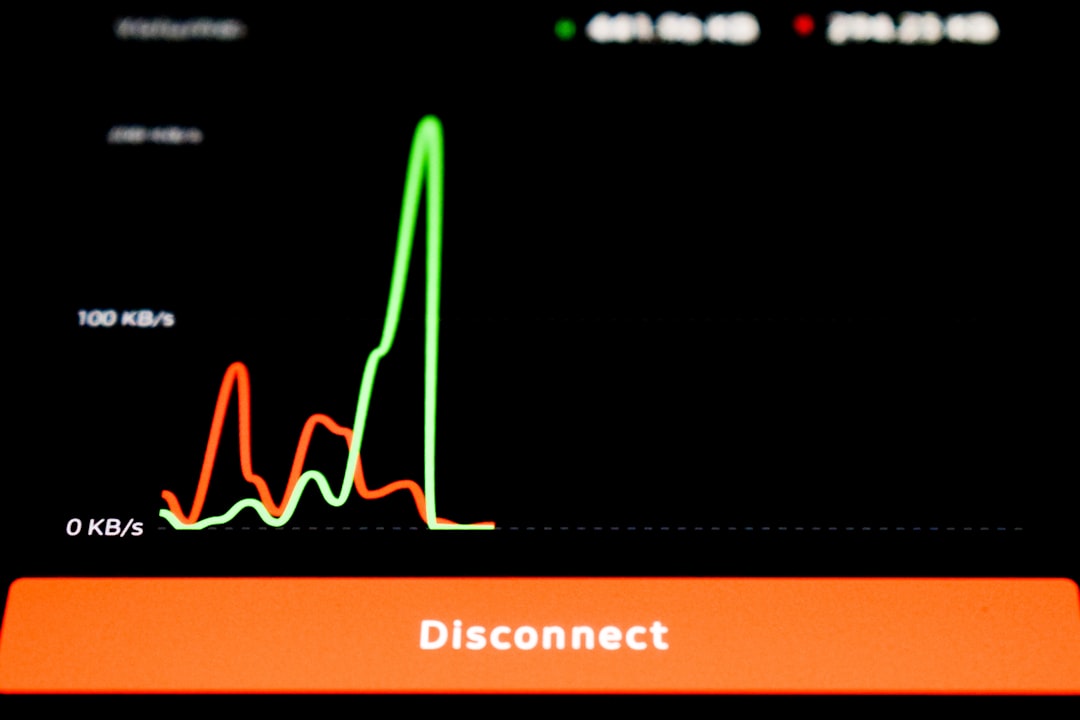
SIEM platforms collect and correlate logs from multiple sources across an organization. They are indispensable for early breach detection.
- Splunk Enterprise Security
- IBM QRadar
- Microsoft Sentinel
SIEM systems use real-time analytics, rule-based alerts, and machine learning models to flag anomalies. They drastically reduce detection times by consolidating events into a centralized dashboard.
Top Cyber Forensics Tools for Rapid Breach Identification
Below is a closer look at widely used forensic tools known for their reliability and rapid investigative capabilities.
EnCase Forensic
EnCase is widely recognized in law enforcement and corporate environments. It enables deep disk analysis, evidence acquisition, and robust reporting.
Strengths:
- Comprehensive file system analysis
- Strong legal credibility
- Extensive artifact parsing
Best used for: Large-scale corporate investigations and litigation support.
FTK (Forensic Toolkit)
FTK is known for its speed and powerful indexing capabilities. Its database-driven architecture allows investigators to search massive datasets quickly.
Strengths:
- Rapid data processing
- Email and registry analysis
- User-friendly interface
Best used for: Quick triage investigations.
Volatility Framework
Volatility is an open-source memory forensics tool widely respected for detecting stealthy malware hidden in RAM.
Strengths:
- Advanced memory process analysis
- Open-source flexibility
- Strong community support
Best used for: Investigating fileless malware and APTs.
Autopsy
Autopsy provides a graphical interface built on The Sleuth Kit. It is accessible, yet powerful enough for professional use.
Strengths:
- Open-source and extensible
- Supports timeline analysis
- Keyword search and hash filtering
Best used for: Small to mid-sized organizations with limited budgets.
Splunk Enterprise Security (SIEM)
Splunk enables real-time monitoring and alerting across distributed environments. It excels in log correlation and threat hunting.
Strengths:
- Advanced analytics
- Custom dashboards
- Machine learning integrations
Best used for: Large enterprises needing proactive detection.

Comparison Chart of Key Tools
| Tool | Primary Focus | Speed of Analysis | Best For | Cost Level |
|---|---|---|---|---|
| EnCase | Disk Forensics | Moderate to High | Enterprise investigations | High |
| FTK | Disk and Email Forensics | High | Rapid data indexing | High |
| Volatility | Memory Forensics | High | Advanced threat detection | Low (Open-source) |
| Autopsy | Disk Analysis | Moderate | Budget-conscious teams | Low (Open-source) |
| Splunk ES | Log and Event Analysis | Real-time | Proactive monitoring | High |
How These Tools Work Together
No single tool can provide complete visibility. Rapid breach identification often requires a multi-layered approach:
- SIEM detects anomaly through correlated log events.
- Endpoint forensic tools acquire disk images for analysis.
- Memory forensic utilities inspect volatile systems for hidden processes.
- Network tools reconstruct attacker communication channels.
This integrated workflow significantly reduces mean time to detect (MTTD) and mean time to respond (MTTR), two key performance indicators in cybersecurity.
Key Features to Look for in Breach Identification Tools
When selecting forensic solutions, organizations should prioritize features that enhance speed and reliability:
- Automated artifact parsing to reduce manual analysis
- Real-time alerting capabilities
- Scalability for growing infrastructure
- Cloud integration to monitor hybrid environments
- Comprehensive reporting tools for legal and compliance needs
Additionally, integration between tools is critical. Platforms that support APIs or centralized management consoles streamline investigations and minimize delays.
The Human Factor in Cyber Forensics
While tools are indispensable, skilled analysts remain the decisive factor in breach investigations. Well-trained incident responders understand attacker techniques, interpret forensic artifacts accurately, and avoid contamination of evidence.
Effective breach response depends on:
- Established incident response plans
- Regular forensic readiness testing
- Chain-of-custody procedures
- Ongoing staff training
Organizations that combine powerful forensic tools with disciplined response frameworks detect breaches faster and recover more efficiently.
Conclusion
Cyber forensics tools are essential for identifying security breaches quickly and accurately. From disk and memory analysis platforms to advanced SIEM systems, these technologies empower security teams to uncover hidden threats, trace attacker activities, and mitigate ongoing risks. Tools such as EnCase, FTK, Volatility, Autopsy, and Splunk each contribute unique strengths within a comprehensive defensive strategy.
In today’s rapidly evolving threat landscape, speed is defense. The right combination of forensic solutions, supported by skilled analysts and robust incident response procedures, can mean the difference between a contained incident and a catastrophic breach. Investing in trusted and proven forensic tools is not merely a technical decision—it is a fundamental component of organizational resilience.