

Few clothing brands are as globally recognizable—or as frequently debated—as H&M. With thousands of stores worldwide and new styles appearing almost weekly, the Swedish retailer has become a symbol of modern, affordable fashion. But alongside its popularity comes a recurring label: fast fashion. Why is H&M so often placed in that category, and what does it truly mean?
TL;DR: H&M is considered a fast fashion brand because it produces trendy clothing at high speed and low cost, frequently refreshing collections to match runway and street trends. Its large-scale global supply chain allows for quick turnaround and mass distribution, which encourages frequent consumption. While the company has introduced sustainability initiatives, its core business model still aligns with the principles of fast fashion. The combination of affordability, rapid production, and high volume is central to why H&M receives this label.
To understand why H&M falls under the fast fashion umbrella, we need to explore what fast fashion really is—and how H&M’s strategy and operations fit the definition.
What Is Fast Fashion?
Fast fashion refers to a business model built around producing inexpensive clothing quickly to respond to the latest trends. Instead of relying on traditional seasonal collections, fast fashion brands release new items continuously, sometimes weekly.
Key features of fast fashion include:
- Rapid production cycles that move designs from concept to store in weeks
- Trend replication inspired by runway shows, celebrities, and social media
- Low price points that encourage impulse purchases
- High inventory turnover with constantly refreshed collections
- Global manufacturing networks to reduce costs
Brands operating under this model prioritize speed, scale, and affordability. Critics argue it leads to overconsumption and environmental harm, while supporters note that it democratizes fashion by making trends accessible to more people.
H&M’s Business Model: Built for Speed and Scale
Founded in 1947 in Sweden, H&M (short for Hennes & Mauritz) grew from a single women’s clothing store into one of the largest clothing retailers in the world. Its expansion strategy has long been based on offering fashionable clothing at accessible prices.

H&M operates thousands of stores globally and maintains a powerful online presence. Its design teams monitor:
- High-end runway collections
- Street style and influencers
- Social media trends
- Consumer purchasing data
Once a trend is identified, the company works with a vast supplier network to bring similar styles into stores quickly. This ability to scale production and distribute rapidly fits squarely within the fast fashion framework.
Frequent New Collections and Micro-Seasons
Traditional fashion once revolved around two main seasons: spring/summer and fall/winter. H&M, like other fast fashion brands, moved far beyond this structure.
Instead, H&M regularly introduces:
- Weekly or biweekly new arrivals
- Limited capsule collections
- Designer collaborations
- Trend-based mini drops
This system creates a sense of urgency. Customers are encouraged to buy items quickly before they disappear. The constant refresh of inventory keeps consumer interest high and increases store visits.
This rapid turnover is one of the strongest reasons H&M is categorized as fast fashion.
Affordable Pricing and Mass Production
Another defining factor of fast fashion is price accessibility. H&M’s clothing is typically positioned at an affordable range—cheaper than premium brands but slightly above ultra-discount competitors.
How is this achieved?
- Outsourced manufacturing in countries with lower labor costs
- Large production volumes that reduce per-unit cost
- Standardized supply chain systems to improve efficiency
- Streamlined design adaptation rather than original couture development
Producing garments at scale enables lower prices—but it also contributes to the high-output cycle characteristic of fast fashion.
Global Supply Chain and Outsourcing
H&M does not own most of its manufacturing facilities. Instead, it works with hundreds of independent suppliers across Asia, Europe, and Africa. This allows flexibility and cost efficiency.
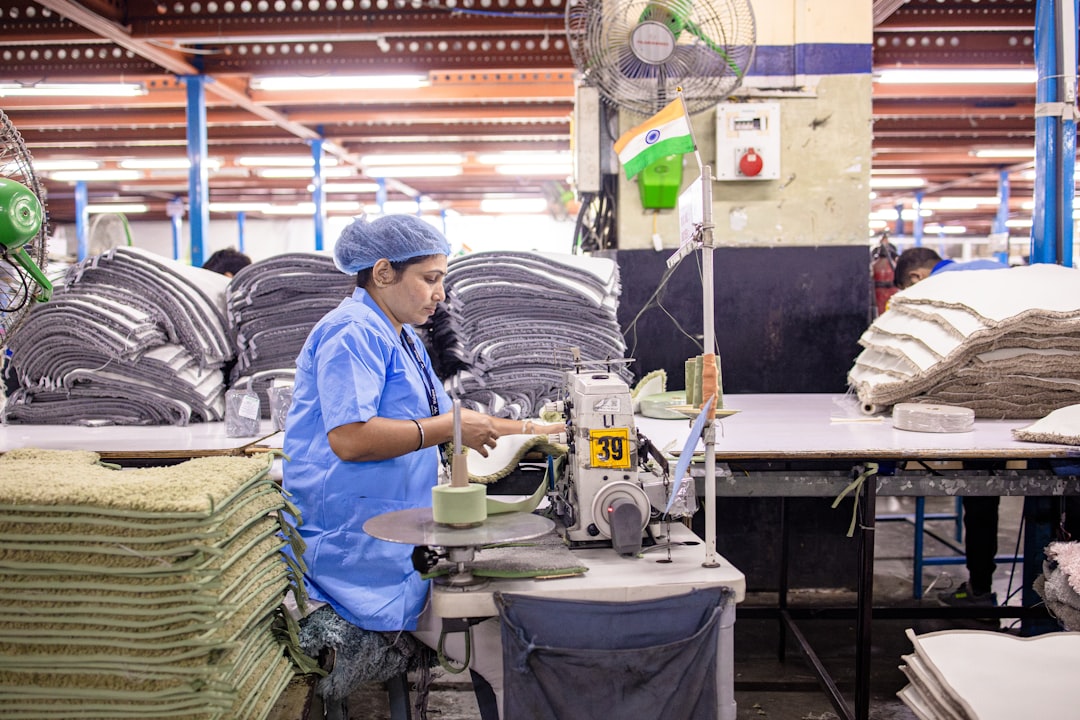
While this global sourcing model supports competitive pricing, it also connects H&M to broader fast fashion concerns:
- Labor conditions in supplier factories
- Wage standards in developing countries
- Environmental impact of large-scale textile production
- Carbon footprint from international shipping
Over the years, H&M has faced scrutiny regarding factory conditions and sustainability practices—issues commonly associated with the fast fashion industry as a whole.
The Environmental Criticism
Fast fashion is often criticized for its environmental effects, and H&M is no exception. The model encourages consumers to buy more clothes more often, shortening product life cycles.
Environmental concerns linked to fast fashion include:
- Textile waste accumulation in landfills
- High water usage in cotton production
- Chemical pollution from dyeing processes
- Greenhouse gas emissions from manufacturing and transportation
Because H&M operates at enormous scale, even small inefficiencies multiplied by millions of garments have significant environmental consequences.
Sustainability Efforts: A Shift or a Strategy?
To address criticism, H&M has publicly invested in sustainability initiatives. These include:
- A garment recycling program in many stores
- Collections made with organic or recycled materials
- Public sustainability reporting
- Goals for climate neutrality
The company has also launched its “Conscious” collections, highlighting garments made with more sustainable materials. However, critics argue that offering sustainable lines while continuing high-volume production does not fundamentally change the fast fashion model.
This debate often centers on a key question: Can a company producing billions of garments per year ever truly move beyond fast fashion?
Consumer Psychology and Shopping Behavior
H&M’s store layouts, marketing, and pricing strategies reinforce impulse buying and trend responsiveness.
Key psychological drivers include:
- Limited-time collaborations that generate excitement
- Frequent markdown cycles that encourage repeat visits
- Affordable experimentation, making trends feel low-risk
When consumers can purchase a trendy jacket at a fraction of designer prices, it reduces hesitation. But it also fosters a culture in which clothing is disposable rather than long-term.
Fast Fashion vs. Slow Fashion: Where H&M Stands
To understand H&M’s position more clearly, it helps to contrast fast fashion with slow fashion:
- Slow fashion emphasizes quality, durability, ethical production, and minimal trend cycling.
- Fast fashion emphasizes speed, affordability, and trend turnover.
While H&M has made efforts toward sustainability, its core pillars—rapid production, affordable prices, trend responsiveness—align more closely with fast fashion principles than with slow fashion ideals.
Collaborations and Trend Accessibility
One of H&M’s most successful strategies has been partnering with luxury designers and celebrities. Collaborations with high-profile designers generate massive demand and sell out quickly.
These partnerships:
- Bring designer aesthetics to mass audiences
- Create hype-driven demand cycles
- Reinforce short-lived fashion moments
While celebrated for democratizing fashion, these limited-run collections also exemplify fast fashion’s blend of exclusivity and mass accessibility.
The Core Reason H&M Is Considered Fast Fashion
Ultimately, H&M is considered a fast fashion brand because its entire operational framework reflects:
- High-speed design and restocking cycles
- Large-scale global sourcing
- Affordable pricing strategies
- Constant trend-driven inventory
Even with sustainability initiatives and recycling programs, these structural elements remain central to how the company operates and profits.
A Brand in Transition?
It is worth acknowledging that H&M appears aware of the criticism surrounding fast fashion. The company publishes sustainability reports, invests in greener technology, and speaks openly about circular fashion goals.
However, critics argue that meaningful change would require reducing production volumes, slowing trend cycles, and encouraging longer garment use—steps that would fundamentally reshape its business model.
This tension between growth and sustainability keeps H&M at the center of the fast fashion debate.
Conclusion
H&M’s classification as a fast fashion brand is rooted in its speed, scale, affordability, and trend-focused production model. Its global supply chain and rapid inventory turnover align closely with industry definitions of fast fashion, even as it attempts to promote sustainability initiatives.
The brand’s success lies in making contemporary style accessible to millions. Yet that same strength raises concerns about environmental impact, labor practices, and consumer overconsumption.
In the end, whether one views H&M positively or critically, there is little doubt that it embodies the defining characteristics of fast fashion—a model that continues to shape how the world shops, dresses, and thinks about clothing.